Iranian Allies Pose Threat to Second Crucial Sea Route, Impacting UK Economy
The involvement of Yemen's Houthi rebels in the conflict, aligning with Iran, has heightened concerns that the ongoing oil crisis affecting global trade could intensify further. With Iranian mines and missiles largely closing the vital Strait of Hormuz, oil tankers are delayed exiting the Gulf, causing barrel prices to surge dramatically.
Alternative Route Under Pressure
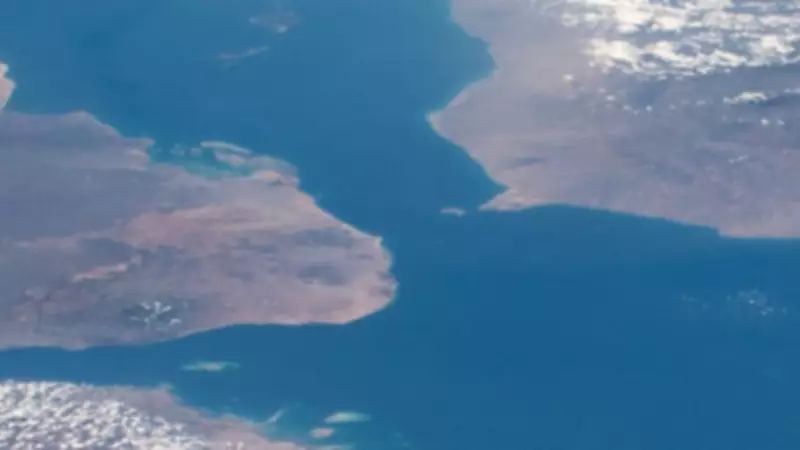
Saudi Arabia, a leading global oil exporter, has been diverting millions of barrels of crude oil daily through the Bab el Mandeb Strait, an alternative narrow waterway located on the opposite side of the country. This strategy bypasses the Strait of Hormuz and distances vessels from Iranian threats. However, ships still navigate near Yemen, where Iranian-backed Houthi rebels possess missile and drone arsenals capable of harassing shipping lanes, as demonstrated between 2023 and 2025.
If shipping through the Bab el Mandeb Strait, which links to the Red Sea and the Suez Canal, faces disruption, it could exacerbate the already strained economic situation stemming from problems at the Strait of Hormuz. This scenario poses a clear and significant risk to global trade, with direct implications for the United Kingdom.

Historical Precedents of Houthi Attacks
Between November 2023 and January 2025, Houthi forces targeted over 100 merchant vessels using missiles and drones, resulting in the sinking of two ships and the deaths of four sailors. In response, military vessels, including the UK's HMS Diamond Type 45 destroyer, were deployed to protect commercial shipping. During operations, the destroyer successfully intercepted Houthi drones, including a notable mission where it neutralized seven threats.
Economic Consequences of Red Sea Disruption
A full or partial shutdown of shipping through the Red Sea would have clear and significant economic effects globally and within the UK. Even renewed attacks, without militants seizing control of the route, could lead to major impacts. Historical examples illustrate these risks: Houthi attacks around Christmas 2023 created hazardous conditions, spiking insurance costs and forcing ships to reroute around Africa via the Cape of Good Hope. This detour added 10 to 14 days to journeys, increasing shipping slot prices and causing supply chain disruptions as businesses struggled to transport goods timely.
Supply chain issues were previously exacerbated by incidents like the Ever Given container ship blocking the Suez Canal in 2021-2022, contributing to initial price surges and the cost of living crisis. Currently, major container carriers such as Maersk, Hapag-Lloyd, and CMA CGM are rerouting vessels around the Cape of Good Hope to avoid the Bab el Mandeb Strait and Red Sea tensions.
Port Preparations and Rising Costs
Africa's largest container port, Tanger Med in Morocco, is preparing for increased ship calls as Middle East tensions persist. Idriss Aarabi, managing director of Tanger Med, noted that higher fuel costs from longer voyages are pressuring freight rates. Carriers have introduced surcharges, including war-risk and emergency conflict fees, ranging from $1,500 to $3,300 per standard container.

Key Statistics on Bab el Mandeb Strait
- Width: The strait is approximately 20 miles wide.
- Container Trade: Around 25% of global container trade passes through the strait en route to and from the Suez Canal.
- Total Trade: Typically, 12% of the world's total trade traverses the Suez Canal.