Iran Establishes Controlled Shipping Lane in Strategic Waterway
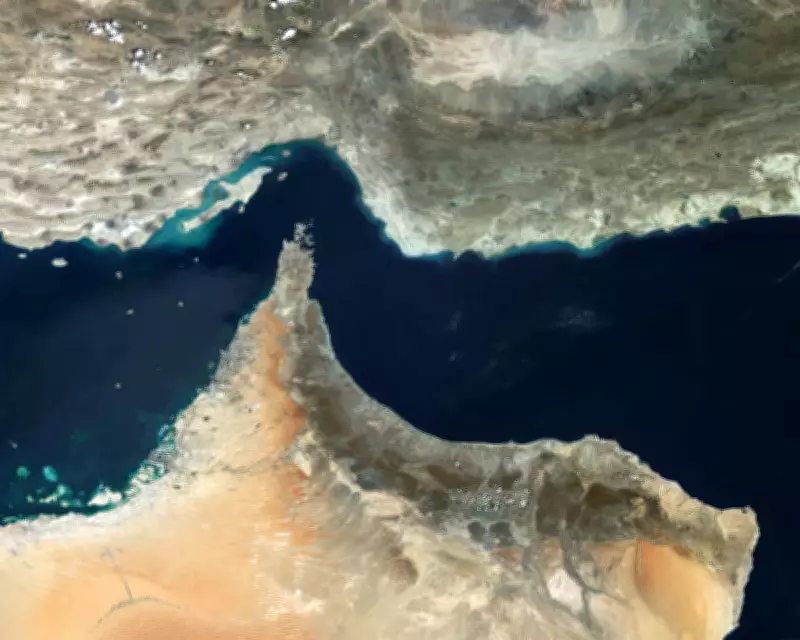
The Strait of Hormuz, a critical maritime chokepoint for global energy supplies, has become the focal point of escalating tensions in the Middle East. Satellite imagery reveals the stark reality of disrupted shipping lanes, with Tehran announcing it will allow 'non-hostile vessels' to pass through its territorial waters. This development comes as the vital waterway faces unprecedented closure due to regional hostilities.
Global Shipping in Crisis Mode
Threats to commercial vessels have effectively shut down normal transit through the Strait of Hormuz since the US-Israel conflict with Iran began four weeks ago. This closure has upended global oil and gas distribution networks, sending energy prices soaring worldwide. The economic impact has been immediate and severe, affecting markets across continents.
Under normal circumstances, this narrow channel serves as a superhighway for global commerce. Approximately one-fifth of the world's oil and gas supplies travel through these waters daily, alongside about one-third of global fertilizer shipments essential for half of the world's food production. The disruption represents a significant threat to global food and energy security.

Traffic Plummets as Risks Escalate
Shipping data reveals the dramatic decline in maritime activity. Before the conflict, an average of 138 vessels transited the waterway daily, according to the Joint Maritime Information Center. In stark contrast, Lloyd's List Intelligence estimates that only about this number made the journey throughout the entire month of March, with just 100 vessels exiting the Gulf and 40 entering during that period.
The security situation remains precarious. Analysts from Lloyd's List report more than 20 ships have been attacked across the region during the conflict, including near-misses and vessels sustaining minor damage. These incidents have resulted in several crew member fatalities, creating a climate of fear among shipping companies.
Iran's 'Safe Corridor' Initiative
In response to the crisis, Tehran has implemented what it calls a 'safe corridor' through Iranian territorial waters. This alternative route runs close to the Iranian coastline between Larak island and the mainland, diverting vessels from the standard commercial shipping lane through the middle of the strait.
On Tuesday, Iran formally notified the International Maritime Organization and United Nations that it would permit 'non-hostile vessels' to pass through the strait. The Iranian government defines these as vessels not participating in or supporting 'acts of aggression' against Iran, nor those belonging to the United States or Israel.
Controlled Access Mechanism
The new shipping corridor gives Iranian authorities, including the Islamic Revolutionary Guard Corps, the ability to visually verify vessels and grant approval for passage. Shipping analysts at Lloyd's List have dubbed this arrangement 'Tehran's tollbooth,' viewing it as Iran's method to exert control over maritime traffic in the strategically vital waterway.
Financial aspects of this arrangement remain unclear. According to Lloyd's List analysts, at least two vessels have paid to transit the strait, with one payment reportedly reaching $2 million for a very large crude carrier. These transactions were reportedly conducted in Chinese yuan, likely due to sanctions against the IRGC by Western governments.
Security Concerns Persist
Despite Iran's approval system, security analysts warn that vessel safety is not guaranteed. The IRGC does not operate as a single unified organization, meaning factions within the force could still delay or seize vessels despite official clearance. This uncertainty continues to deter most shipping companies from attempting passage.
The human cost of the crisis extends beyond immediate security threats. The International Maritime Organization has raised alarms about approximately 20,000 seafarers stranded in the Gulf under stressful conditions with dwindling supplies. An estimated 1,000 vessels and their crews—primarily gas and oil tankers but also container ships—have opted to remain at anchor or in port rather than risk movement through the troubled waters.

International Response and Future Outlook
Global efforts are intensifying to reopen the key maritime channel. More than thirty countries, including the United Arab Emirates, United Kingdom, France, Germany, Canada, and Australia, have signed a joint statement agreeing to work on 'appropriate efforts' to safeguard the waterway. Britain has offered to host an international security summit to develop a 'viable, collective plan' for reopening the strait.
The maritime insurance industry reports that coverage remains available throughout the conflict, albeit at significantly higher premiums than usual. Insurance brokers note there has been little recent demand for Strait of Hormuz coverage, suggesting that safety concerns rather than insurance availability are preventing vessel movements.
Analysts caution that even if fighting stops, it could take months for normal shipping patterns to resume. The complex security environment, combined with Iran's new control mechanisms, suggests the Strait of Hormuz will remain a flashpoint in global trade for the foreseeable future.