Gulf Oil Crisis: Tankers Divert as Iran Conflict Halts Hormuz Strait Traffic
Analysis of ship tracking data has uncovered a critical disruption in global oil transportation, with tankers carrying millions of barrels of oil becoming stranded in the Gulf region. The escalating conflict between Iran and the United States is severely impacting a major maritime route, prompting global shipping companies to divert vessels away from the dangerous Strait of Hormuz.
Strategic Waterway Brought to a Standstill
The Strait of Hormuz, a strategically vital waterway for Iran and other Middle Eastern oil producers, has seen maritime activity almost completely halted as the US and Iran exchange military strikes. This narrow passage, bordered by Iran to the north and Oman and the United Arab Emirates to the south, serves as the sole marine outlet for the region's primary oil exporters.
In 2024, approximately one-fifth of all global oil flowed through this corridor, equivalent to an astounding 20 million barrels per day. Under normal circumstances, hundreds of tankers continuously traverse the strait between the Persian Gulf and the Gulf of Oman.

Dramatic Decline in Maritime Traffic
Comparative analysis reveals a stark contrast in vessel movement before and after the conflict escalation. A snapshot from February 1, 2026, shows the waterway bustling with vessels entering and exiting. However, by February 28—the day following initial US and Israeli strikes on Iran—far fewer vessels occupied the area with minimal movement observed.
The situation deteriorated further by March 1, with very few ships remaining in the strait itself. Instead, vessels appeared clustered around major ports on either side of the passage, effectively creating a maritime traffic jam of epic proportions.
Individual Tanker Tracking Reveals Mass Diversion
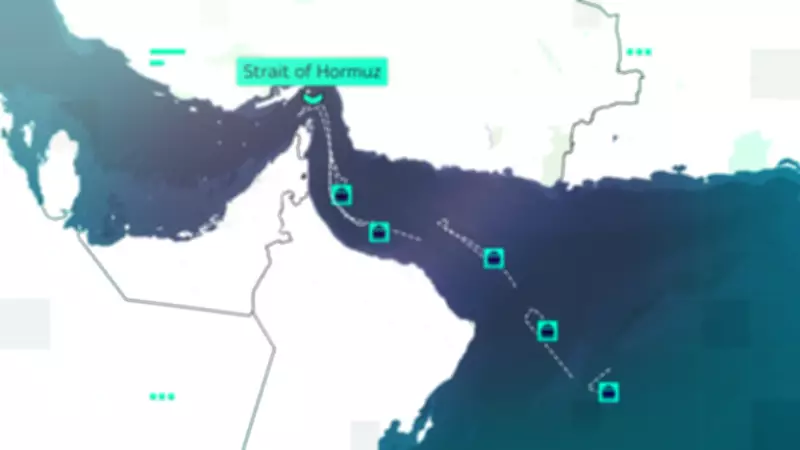
Detailed tracking of specific tankers illustrates the rapid response to the escalating danger. The KHK Empress, already within the strait, abruptly turned back at approximately 10:00 AM UTC on Saturday. By that evening, four additional tankers had reversed course away from the strait, heading back into the Gulf.
By Sunday, all five tracked vessels were actively moving out of the region entirely. Analytics agency Kpler estimates these five ships alone possess the capacity to transport approximately 10 million barrels of oil, highlighting the scale of disruption to global energy supplies.
Security Concerns and Communication Disruption
Shipping companies' fears of being targeted in the region proved tragically justified when, on March 1, the Palau-flagged oil tanker The Skylight suffered an attack. The incident resulted in four injuries and necessitated the complete evacuation of all twenty crew members.
The United States Navy has issued warnings against navigation through the strait, while some traders have suspended transit operations entirely. Compounding the danger, interference with the Automatic Identification System (AIS)—the critical ship tracking and communication network—has created additional hazards for any vessels attempting passage.
Visual evidence shows normal AIS signaling patterns on February 27, followed by dramatically increased interference on February 28, effectively blinding maritime traffic to vessel positions and movements in the conflict zone.
Global Economic Implications
The volatility in the Gulf region carries profound implications for worldwide markets and international trade. Disruption to this crucial maritime artery inevitably disrupts global oil supplies, potentially triggering price fluctuations and supply chain complications across multiple industries.
As tensions continue to escalate, the rerouting of tankers and accumulation of oil in the Gulf represents not merely a regional crisis but a developing situation with the capacity to impact economies and energy security on a global scale.