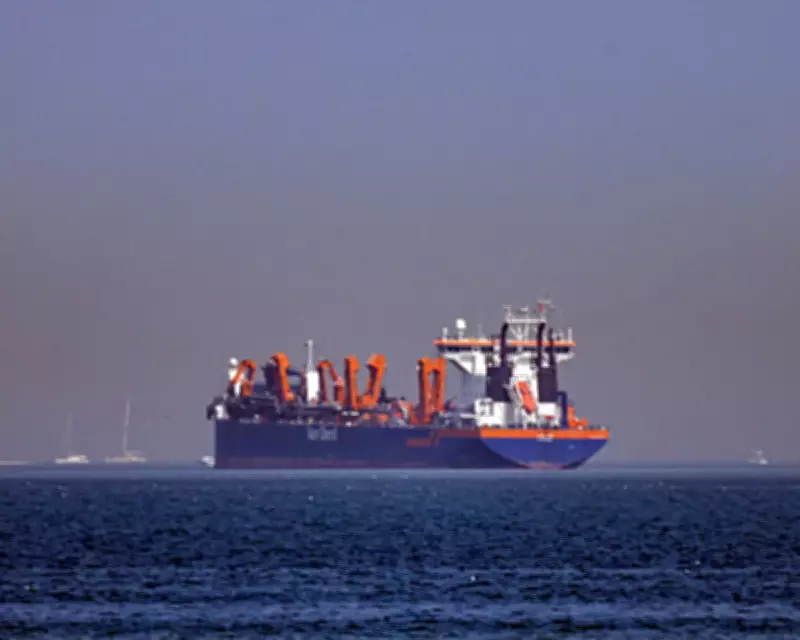
Iran Conflict Sparks Global Oil Price Fears as Strait of Hormuz Shipping Faces Severe Disruption
Escalating military conflict in Iran has triggered a major crisis in global energy markets, with shipping through the strategically vital Strait of Hormuz experiencing severe and ongoing disruption. This critical maritime chokepoint, through which approximately one-fifth of the world's oil supply normally transits, has become a focal point of instability, directly threatening to send oil prices soaring and destabilize economies worldwide.
Immediate Impact on Global Shipping Lanes
The hostilities have forced a significant reduction in maritime traffic, with numerous tankers and cargo vessels either rerouting or delaying voyages due to heightened security risks. Insurance premiums for vessels navigating the area have skyrocketed, adding substantial costs to global trade logistics. Major shipping companies and oil exporters are urgently reassessing their routes, with many opting for longer, more expensive passages to avoid the conflict zone entirely.
Analysis of the Broader Economic Consequences
Energy analysts warn that a prolonged closure or even partial blockage of the strait could lead to a supply shock reminiscent of historical oil crises. The potential for sustained high oil prices poses a severe threat of global inflation, impacting everything from transportation costs to consumer goods. Key importing nations, particularly in Asia and Europe, are monitoring the situation with extreme concern as their energy security comes under direct threat.

Market volatility has increased dramatically, with futures contracts reflecting the heightened uncertainty. The situation underscores the fragile interdependence of global energy infrastructure and geopolitical stability.
International Response and Diplomatic Efforts
World powers have called for immediate de-escalation, emphasizing the strait's status as an international waterway crucial to the global economy. Diplomatic channels are being activated in an attempt to secure safe passage for commercial vessels, but the complex nature of the conflict presents significant challenges. Naval forces from several nations are reportedly on heightened alert in the surrounding region.
The disruption highlights the ongoing vulnerability of critical trade corridors to regional conflicts and the urgent need for diversified energy supply chains and contingency planning among major economies.