Iran's Controversial $1 Million Toll Plan for Strait of Hormuz Passage
Iran is poised to implement a substantial new financial measure that could see ships charged up to $1,000,000 for passing through the strategically vital Strait of Hormuz. This development emerges as the United States announces the reopening of the strait, a critical global oil transit corridor that had been blocked during recent regional tensions.
Reopening Announcement and Diplomatic Context
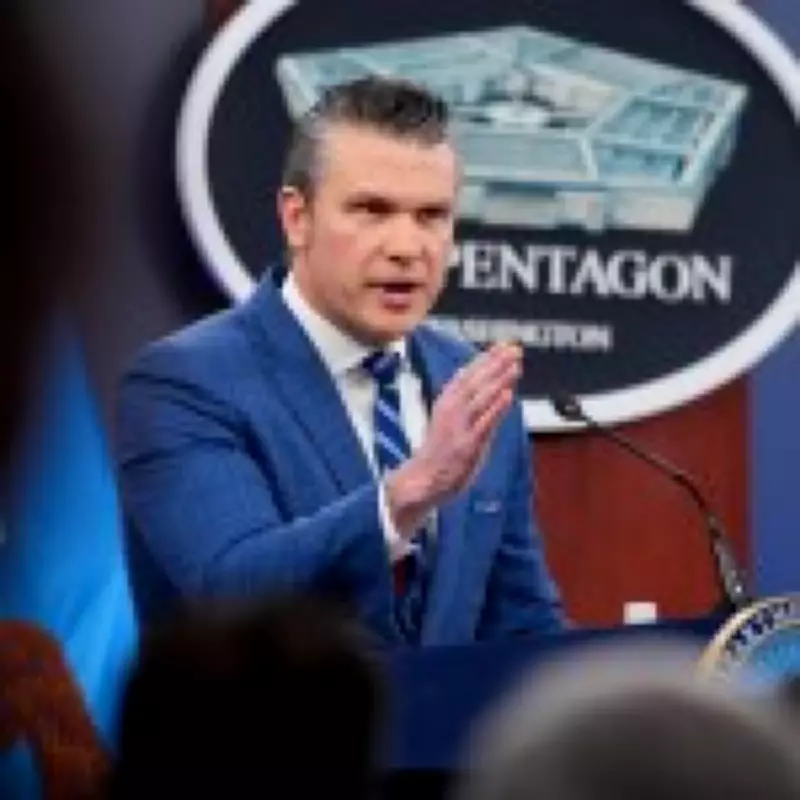
Secretary of Defence Pete Hegseth and General Dan Caine, Chairman of the Joint Chiefs of Staff, confirmed to reporters that the Strait of Hormuz has officially reopened. Hegseth emphasized that vessels will soon resume navigation through the waterway, stating: 'It's time for the rest of the world to step up and ensure that that stays open, after President Trump and the War Department brought Iran to the place where they are voluntarily opening it right now, as was announced last night.'
The US government has not formally acknowledged Iran's proposed toll system, but Iranian officials assert that the new peace agreement permits them to formalize the process of charging ships. Details regarding the implementation and security guarantees for vessels remain unclear, raising concerns about whether shipping companies will feel confident utilizing this essential transit route.

Potential Impact on Global Fuel Markets
The reopening of the Strait of Hormuz could bring much-needed relief to drivers worldwide after petrol prices skyrocketed during the conflict period. However, industry experts caution that fuel markets will not normalize immediately. Metro transport correspondent Noora Mykkanen reports that trust in the ceasefire remains fragile, with the unpredictability of involved parties potentially undermining progress.
Simon Williams, head of policy at the RAC, outlined three critical factors determining future fuel prices:
- Stability of the ceasefire agreement
- Unimpeded movement of oil shipments through the strait
- Long-term oil production levels across the Gulf region
Williams noted that while complete normalization will take time, the best immediate outcome would be a stabilization of pump prices rather than further increases.
Strategic Importance of the Strait
The Strait of Hormuz represents one of the world's most crucial maritime chokepoints, with tankers from Persian Gulf ports required to navigate its 60-mile width. This waterway has been at the center of regional geopolitical tensions for decades. Unlike many alternative routes that significantly extend transit times, the strait offers no practical substitutes for oil shipments.
Maritime security experts report increasing wariness among shipowners regarding use of the waterway. Some vessels have enhanced security measures, while others have canceled routes entirely. The situation is complicated by territorial claims, as United Nations conventions allow countries to control waters up to 13.8 miles from their coastlines, with portions of the strait falling within Iranian and Omani territorial waters.
Financial Motivations and Reconstruction Plans
Iranian officials have indicated that revenue generated from the proposed toll system would contribute to national reconstruction efforts. The ten-point peace plan proposed by Tehran includes provisions for Iranian control over the Strait of Hormuz, though specific terms regarding toll collection and revenue distribution remain unspecified.
The international shipping community now faces significant decisions regarding route planning and cost management, as the potential $1 million per vessel toll could substantially impact global shipping economics and ultimately influence consumer fuel prices worldwide.