

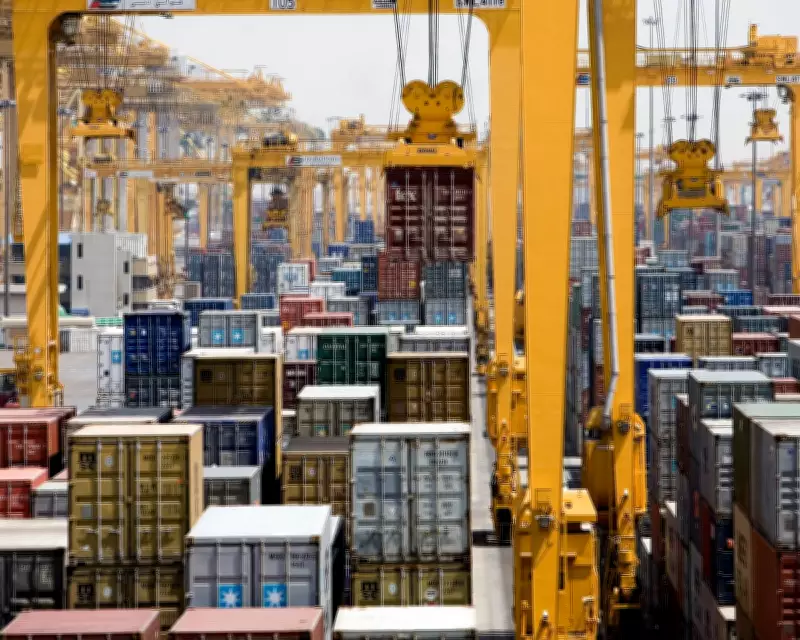
Global Crisis Deepens as War Disrupts Key Dubai Logistics Hub
The economic fallout from the US-Israeli assault on Iran and Tehran's subsequent retaliation is spreading rapidly across the globe, with the world's most vulnerable populations bearing the brunt of the devastation. Soaring fuel prices, cancelled mortgage agreements, and anticipated increases in costs for everything from basic foodstuffs to consumer electronics are just the beginning. This conflict has delivered the most severe energy supply shock in recorded history, rocking international markets to their core.
Chokepoint Closure and Escalating Attacks
Iran's new supreme leader, Ayatollah Mojtaba Khamenei, declared via state media on Thursday that the Strait of Hormuz will remain closed indefinitely. This critical corridor represents the single most significant chokepoint for the entire global energy system. The temporary relief provided by the International Energy Agency's unprecedented release of strategic oil reserves proved fleeting. As American and Israeli military operations intensified against Iranian targets, Tehran escalated its own assaults on vital transport infrastructure throughout the Gulf region.
The impact, however, is profoundly unequal. Asian nations, which are heavily dependent on Middle Eastern crude oil and liquefied natural gas, are experiencing severe disruptions. Bangladesh was forced to shutter all its universities, while Pakistan closed numerous schools due to crippling fuel shortages. While American media coverage focuses predominantly on domestic consequences, other regions are paying a far steeper price. It is the planet's poorest and most marginalized communities who will suffer most acutely.

A New and Deepening Humanitarian Catastrophe
This war has spawned a fresh humanitarian emergency, with millions displaced within Iran and Lebanon. Healthcare facilities have been struck, alongside more than 17,000 residential buildings, according to reports from Iran's Red Crescent. Furthermore, the conflict is intensifying pre-existing crises. This comes at a time when reductions in American foreign aid—mirrored by cuts from Britain and other nations—are already plunging millions deeper into famine and desperation.
In Gaza, food prices have skyrocketed following Israel's closure of key border crossings. Major aid organizations, including the World Health Organization and the International Federation of Red Cross and Red Crescent Societies, are struggling to dispatch essential supplies from the region. The crisis has critically hampered operations at a pivotal logistics center: Dubai, which hosts a major humanitarian logistics hub and the Middle East's largest container terminal.
Dubai's Critical Hub Under Fire
This vital terminal sustained significant damage after being struck by wreckage from an intercepted Iranian missile, causing a substantial fire. In response to the heightened risk and operational chaos, shipping companies are now imposing emergency surcharges of approximately $3,000 per container. The World Food Programme reports that the crisis has added a staggering 9,000 kilometers to its supply routes from India to Sudan, the site of the world's largest ongoing humanitarian disaster.
The oil price shock transcends mere transportation costs for relief aid. It also affects critical operations like running generators for medical clinics and field hospitals. Local food production is set to plummet, as around half of Sudan's fertilizer supply originates from the Middle East. Additionally, many nations face dwindling remittances from migrant workers who, unlike wealthier expatriates, cannot afford to evacuate the Gulf region but are finding it increasingly difficult to secure adequate employment.
The Looming "Polycrisis" and Calls for Action
Sam Vigersky of the Council on Foreign Relations thinktank has warned of a developing "polycrisis" that threatens to "push the hungry toward emergency—and those already in emergency toward famine." For countless millions, this economic shock may not merely result in tightened budgets but could mean the difference between survival and death.

While the United Nations and other entities are rightly advocating for safe passage of humanitarian convoys through the Strait of Hormuz and the prioritization of essential goods despite airspace restrictions, the most urgent necessity remains an end to this disastrous and unlawful war. American voters, who are funding a conflict whose purpose many cannot discern, at least possess some collective capacity to pressure former President Donald Trump towards declaring a swift withdrawal—though achieving a genuine and lasting peace will undoubtedly prove more challenging. For the rest of the world, facing far greater economic agony, there is little to do but endure the suffering and wait.





