

Business Leader Demands Government Action as Iran Conflict Escalates
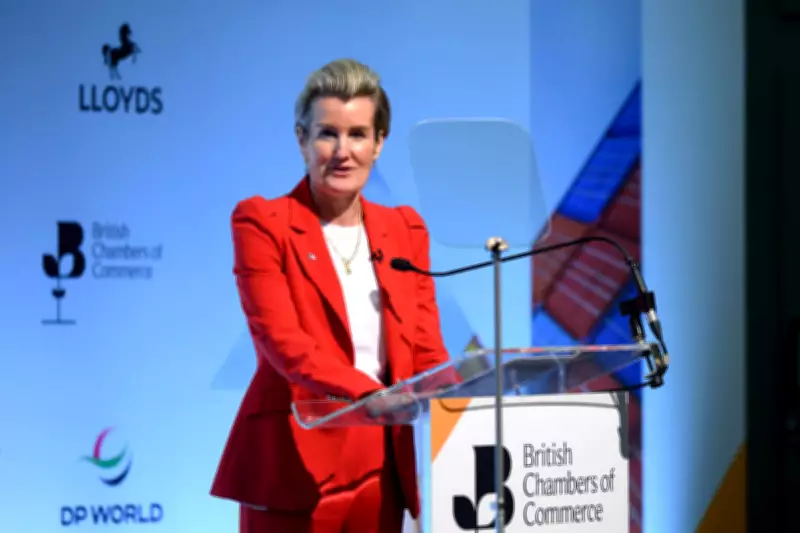
The director general of the British Chambers of Commerce will deliver a crucial speech urging ministers to maintain composure and expand trade opportunities while preparing emergency measures to support businesses battered by the Iran war. Shevaun Haviland is expected to emphasize the severe disruptions to trade routes and escalating operational costs facing British companies as Middle East tensions intensify.
Energy Bailout Must Remain Available Option
Haviland will specifically call for the government to keep an energy bailout package ready for implementation should oil prices continue their dramatic surge. Unlike residential consumers who benefit from quarterly price caps that cushion against sudden market shocks, businesses face unprotected exposure to volatile energy markets.
The conflict's impact on global energy supplies has already triggered widespread concern among industry leaders, with many questioning the feasibility of current net-zero commitments amid such instability. Compounding the pressure, businesses are about to absorb billions in additional costs from the Sizewell C nuclear plant construction, prompting numerous industry organizations to demand temporary relief from policy-related charges.

"Ministers need to keep every option on the table," Haviland will state, particularly if diplomatic efforts fail to reopen critical Persian Gulf shipping lanes. She will highlight that UK businesses already contend with some of the highest energy costs in developed nations, with substantial portions of their bills funding subsidies and policy initiatives rather than actual energy production.
Warning Against Rising Protectionism
The business leader's address will also confront the growing trend toward protectionist policies that have made international trade increasingly expensive even before the Iran conflict. Haviland is expected to reference the ripple effects from Donald Trump's 2025 'Liberation Day' declaration, which triggered retaliatory tariffs worldwide.
Both the European Union and United Kingdom have moved to shield strategic domestic industries, with the EU proposing 'Buy EU' policies to support low-carbon sectors and the UK government recently confirming plans to impose 50 percent tariffs on steel imports exceeding reduced quotas.
While acknowledging "real strides" in securing trade agreements with India, the EU, and United States over the past year, Haviland will deliver a sharp critique of simultaneous barrier increases, labeling them "hugely damaging" for businesses and consumers alike.
Call for Expanded Global Engagement
The central message from the industry chief will emphasize connection over isolation during turbulent times. "In a more uncertain world the answer is not to retreat," she will declare. "It is to reach out, build more connections, open more doors and trade more, not less."
Haviland's speech comes as business owners nationwide report supply chain disruptions, transportation delays, and mounting uncertainty about both immediate operational viability and long-term strategic planning. The British Chambers of Commerce represents thousands of companies across all sectors of the UK economy, giving particular weight to these warnings about the conflict's "profound" impact on commercial stability.
The government now faces mounting pressure to address both immediate energy cost concerns and broader trade policy questions as the Iran conflict continues to reshape global economic landscapes and test business resilience across the United Kingdom.






