

For many renters or budget-conscious homeowners, the dryer lurking in a closet or basement can feel like a clunky, inefficient necessity. This often leads to seeking affordable upgrades, such as dryer balls – those inexpensive, tennis-ball-sized spheres that promise faster drying times, lower energy use, softer clothes, and less static cling with every load. But do these claims hold up under scrutiny? As a professional product reviewer with over a decade of experience specialising in laundry, including testing washers, dryers, detergents, and various gadgets, I decided to put dryer balls through rigorous side-by-side tests to separate fact from fiction.
How Do Dryer Balls Function in Practice?
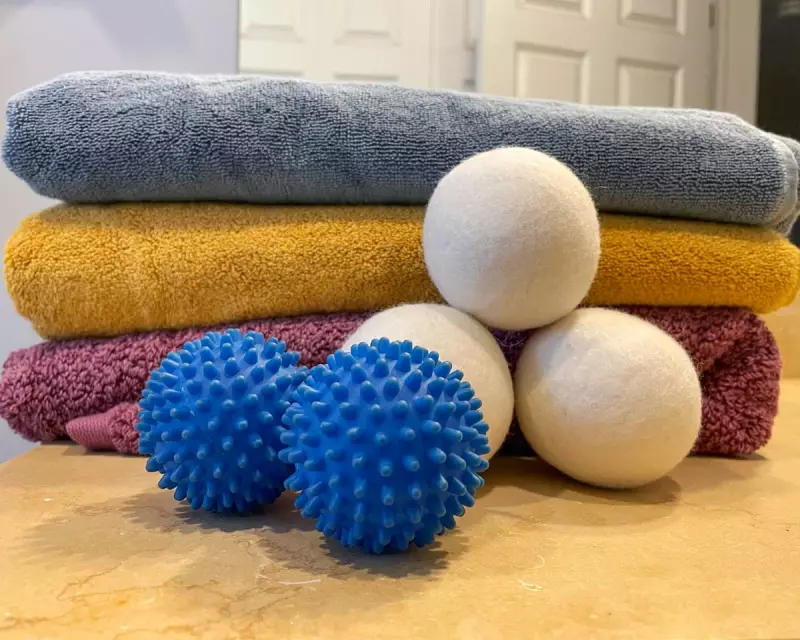
The concept behind dryer balls has roots in a simple laundry hack from the early days of electric dryers, where people tossed tennis balls into the drum to prevent wet spots in bulky items like comforters. The theory is that dryer balls create more space between laundry items, enhancing air flow to carry moisture away more efficiently. Today, dryer balls are typically made from wool, plastic, or rubber. In my testing, wool versions tend to be denser and heavier, as plastic and rubber variants are often hollow and lighter, which may limit their effectiveness in softening fabrics.
Testing the Drying Efficiency Claim
To evaluate whether dryer balls actually improve drying performance, I conducted a controlled experiment. I soaked two T-shirts, two towels, and a hoodie in 2lbs of water, then ran identical loads in the dryer – one with Handy Wool Dryer Balls and one without. After completing the cycles, I weighed the clothes to measure any difference in water extraction. The result? A negligible variation between the two loads. I have repeated similar tests multiple times for various publications, and the outcome consistently shows no significant improvement in drying speed or moisture removal when using dryer balls.

Why Dryer Balls May Not Save Much Energy
According to the US Department of Energy, the average dryer consumes about 782 kilowatt-hours annually, making it a substantial energy hog compared to appliances like large refrigerators. Dryers work by heating cool air and expelling it, a process that requires constant reheating and uses considerable electricity. While dryer balls might help distribute heat more evenly, they do not alter the fundamental physics of water evaporation, meaning their impact on energy savings is minimal.
Furthermore, several factors can undermine the effectiveness of dryer balls. Overloading the dryer leaves no room for the balls to create air pockets, potentially encouraging smaller loads and more cycles overall. Additionally, modern dryers often use contact sensors to detect dryness; since dryer balls enter the drum dry, they can trigger false positives, ending cycles prematurely and leading to damp clothes that require a second run.
The Real Benefits of Using Dryer Balls
Despite their limited role in energy conservation, I continue to use dryer balls for three key reasons. Firstly, they can soften fabrics such as linen or high-density cotton by loosening fibers as they bounce around the drum, accelerating the natural softening process that occurs with washing. Secondly, dryer balls reduce static cling by minimising fabric-to-fabric friction. Lastly, wool dryer balls serve as a reusable alternative to dryer sheets; by spraying them with essential oils like Positive Essence spray, they impart a pleasant scent to laundry without the chemicals found in commercial products.
This reusable approach offers advantages over traditional dryer sheets. For those concerned about fragrance chemicals, wool dryer balls allow control over what substances come into contact with clothes. They are also safe to use with towels, unlike dryer sheets that coat fabrics with silicone-based oils, which can ruin absorbency. To avoid this issue, you can maintain separate sets of dryer balls – one with oils for scented loads and another without for items like towels.

Recommended Dryer Ball Options
Based on my testing, I prefer Handy Wool Dryer Balls for their size, weight, and ethical sourcing from 100% New Zealand wool, adhering to strict animal welfare standards. For a more budget-friendly alternative, S&T plastic dryer balls are a viable option, though they may be less effective at fabric softening due to their lighter construction.
Alternative Strategies for Energy-Efficient Laundry Drying
If dryer balls are unlikely to slash your energy bills, consider other methods to enhance efficiency. Upgrading to modern front-load washers with direct-drive motors can extract up to 50% more moisture before drying, while contemporary dryers operate at higher temperatures like 170°F using improved motors and heating elements for better performance. For eco-conscious consumers, technologies such as condenser dryers and heat-pump dryers offer ventless, highly efficient alternatives.
Simple, cost-free adjustments can also make a difference. Utilise your washer's eco-dry cycle, which conserves energy by extending cycle time, and favour quick-drying fabrics like merino wool, polyester, or nylon. Additionally, partially air-drying clothes on a rack or line before using the dryer can significantly reduce energy consumption without any expense.
In summary, while dryer balls may not fulfil every promise regarding drying speed or energy savings, they remain a worthwhile addition to any laundry routine for their ability to soften fabrics, reduce static, and provide a reusable, chemical-free scenting option. By combining them with other energy-saving practices, you can achieve softer, nicer-smelling clothes while managing your household budget more effectively.





