

A Comprehensive Guide to Investing in Scotch Whisky Casks: Expert Insights
Over the past decade, Scotch whisky has captured significant attention from investors, with reports indicating it often outperforms traditional assets. A growing number of brokers now facilitate cask purchases, making this market more accessible. The appeal is multifaceted: Scotch whisky is a tangible asset exempt from Capital Gains Tax as a "wasting asset," global demand continues to rise, and the maturation process naturally enhances value over time. However, like any alternative investment, whisky cask ownership demands careful consideration, thorough due diligence, and a clear grasp of market operations.
Understanding Cask Investment Fundamentals
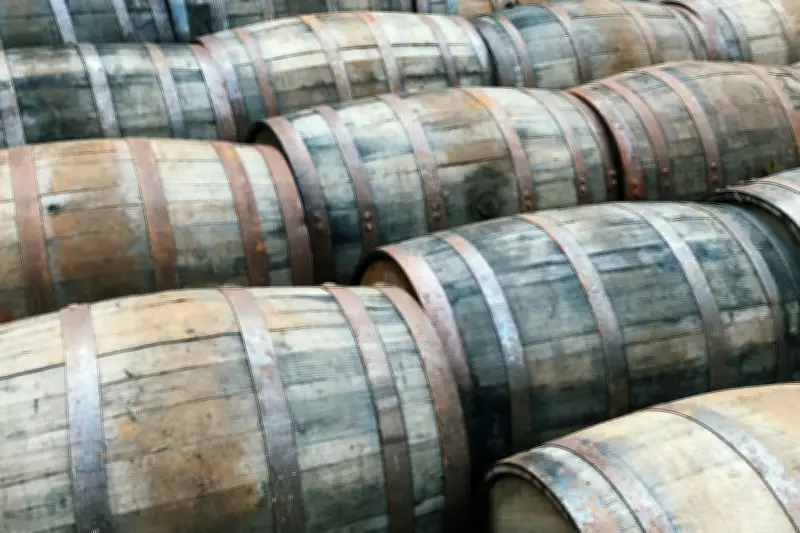
Investing in a cask differs markedly from purchasing bottles on the secondary market. It involves owning maturing spirit that is "duty deferred" and stored in a bonded warehouse, typically for several years. The potential value increase of a cask depends on multiple factors, including the purchase price, the distillery's reputation, the spirit's age and style, the cask type used for maturation, and broader market demand. Selecting the right distillery and cask profile is therefore critical, as not all whisky appreciates equally. Demand often centers on well-known distilleries with strong global recognition, and the cask type can significantly influence flavor development and eventual bottle value.
Experienced investors prioritize quality and provenance over merely seeking the lowest entry price. For most, whisky casks should be viewed as part of a broader alternative asset allocation rather than a speculative short-term trade. The maturation process is inherently slow, with value generally developing over time. While some distilleries have seen robust appreciation recently, successful investors typically adopt a long-term perspective and build portfolios accordingly. Whisky should never be seen as a "get rich quick" opportunity, and investors should approach any promises of guaranteed returns with caution. Most brokers are not regulated by the Financial Conduct Authority, and as with all investments, there is always a risk that value may not increase as anticipated.

Essential Safeguards and Due Diligence
One of the most crucial safeguards is understanding who you are dealing with and taking responsibility through independent research. Key steps include reviewing Companies House records, investigating the background of the individuals and company involved, checking online resources like Google, and asking pertinent questions. While online reviews can offer some context, they should not be overly relied upon. Informed decision-making is paramount in this market.
Investors must also comprehend the structure under which the cask is sold. Some brokers offer "managed" programs where the cask remains legally in the broker's name, with the investor receiving a certificate that may hold little value. It is vital to take direct ownership of the cask itself, ensuring it is transferred into the buyer's name to eliminate ambiguity around legal title. This issue gained prominence following the well-publicized collapse of several whisky brokerage firms in early 2025, underscoring the importance of clear ownership structures and full asset control.
Pricing is another area requiring careful scrutiny. The cask market is relatively private, with limited access to pricing benchmarks, and brokers apply varying commercial margins to the casks they sell. Understanding the purchase price and collaborating with reputable brokers is essential to navigate this aspect effectively.
Practical Considerations for Cask Owners
Practical factors also play a significant role. Investors should confirm the cask's storage location and whether it might need relocation if they cannot open an account at the current warehouse. Once the buyer establishes an account, the broker typically instructs the warehouse keeper—often via a Delivery Order document—that the cask has been sold. The warehouse then confirms the cask is stored in the buyer's name, with this document serving as legal evidence of ownership.

After the cask is held in the owner's name, ongoing responsibilities are relatively straightforward: paying annual storage fees, ensuring adequate insurance coverage, and periodically requesting "health checks." These checks verify liquid volume and alcohol strength, both of which naturally decline over time due to evaporation, and should identify any potential issues. These practical considerations need not deter buyers, as Scotch whisky represents one of Scotland's most celebrated industries, built on craftsmanship, patience, and global appreciation.
For many owners, the true appeal lies in participating in this storied tradition—watching a spirit mature over time and eventually deciding whether to bottle it, sell it, or simply savor the journey. As with any specialized market, the key is understanding the process and approaching it with informed care and diligence.





