

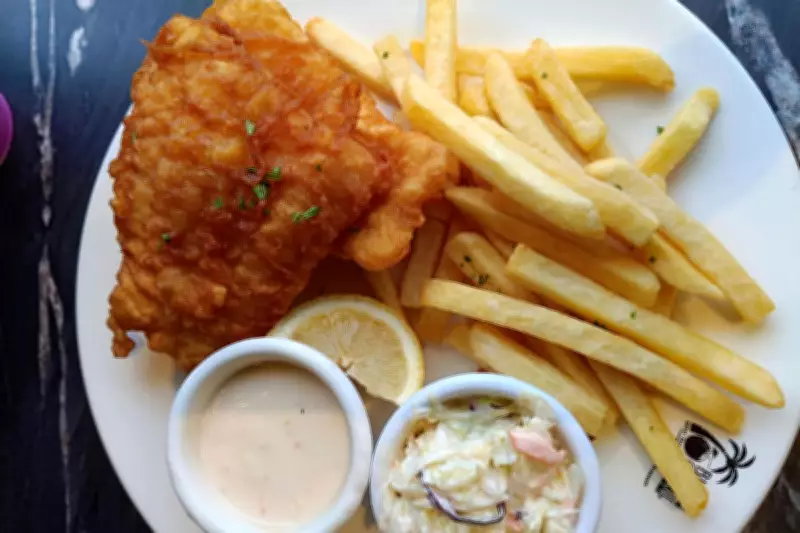
Iran War Energy Crisis Threatens UK Fish and Chip Shops with Closure
Britain's cherished fish and chip shops are facing an existential threat as the escalating conflict in Iran drives energy and shipping costs to unprecedented levels, according to industry leaders who warn that many establishments could be forced to close permanently.
Energy Price Surge Following Middle East Conflict
Following the recent US-Israeli military action against Iran, prices on the UK gas market have doubled, creating a severe energy crisis that threatens multiple sectors of the British economy. Analysis from consultancy Cornwall Insight indicates that typical combined household gas and electricity bills could soar to approximately £1,800 annually across the United Kingdom, representing a significant increase that will impact both consumers and businesses.
The conflict has also triggered an immediate spike in fuel prices, with the RAC estimating average costs rose by 3p per litre for petrol and 5p per litre for diesel within just a few days. These transportation cost increases come alongside rising shipping expenses due to blocked vital routes like the Strait of Hormuz and escalating fuel costs for maritime transport.

Fish and Chip Industry Particularly Vulnerable
Andrew Crook, president of the National Federation of Fish Friers, told Capital Post that fish and chip shop owners nationwide are bracing for the impact of these global shocks on their already strained operations. "We're definitely going to be affected by energy," Crook stated. "We're hoping that we get a speedy conclusion to the conflicts. There's enough instability in the world without something else."
The industry has only recently begun to see energy costs decrease from the prolonged spike caused by the Russia-Ukraine war, making this new crisis particularly devastating. Fish and chip shops are especially vulnerable to energy price increases due to their reliance on energy-intensive deep fat fryers and frequent fresh food deliveries that require refrigeration.
Tight Margins and Multiple Cost Pressures
Molly Monks, an insolvency expert at Parker Walsh, explained to Capital Post that fish and chip shops typically operate on extremely tight profit margins, making them particularly susceptible to even modest cost increases. "Fish and chip shops typically operate on relatively tight margins, so even modest increases in fuel, oil or electricity costs can quickly start to bite," Monks said.
Higher energy prices create knock-on effects throughout the supply chain, affecting refrigeration, packaging, and supplier costs. Meanwhile, soaring fuel prices make deliveries more expensive for both ingredients and finished products. "International events can filter through to everyday businesses very quickly," Monks added. "For firms already operating on narrow margins, even small cost increases can make a big difference."
Shipping Costs and Packaging Challenges
The fish and chip industry faces additional pressure from rising shipping costs, which the International Monetary Fund has identified as an "important driver of inflation." Many shops rely on recyclable and biodegradable packaging shipped from China, making them particularly exposed to maritime transportation cost increases.
Crook emphasized that these new challenges come on top of existing pressures already burdening the industry, including:
- Increasing business rates and property taxes
- Rising national insurance contributions
- Higher minimum wage requirements
- Supply chain disruptions from previous conflicts
Personal Impact and Industry Consequences
The human cost of these economic pressures is already becoming apparent. Crook revealed that he was recently forced to close the fish and chip shop he first opened more than twenty years ago near Chorley in Lancashire due to unsustainable tax burdens. "[The government] have taken all the spirit out of things, it's just a daily grind," he lamented. "Rather than running a business, the business is running you, and that's how it feels for all of hospitality."

Lesley Graves, treasurer of the National Federation of Fish Friers, faced approximately £500,000 in additional costs following November's Budget, illustrating how government policies compound the challenges created by international conflicts. Industry leaders warn that without intervention or rapid resolution to the Middle East conflict, Britain could lose a significant portion of its approximately 10,500 fish and chip shops, which serve as community hubs and cultural institutions across the nation.
The combination of geopolitical instability, energy market volatility, and domestic policy pressures creates what industry experts describe as a perfect storm threatening one of Britain's most beloved culinary traditions. As costs continue to rise and margins shrink further, the future of the classic British fish and chip shop hangs in the balance.





