

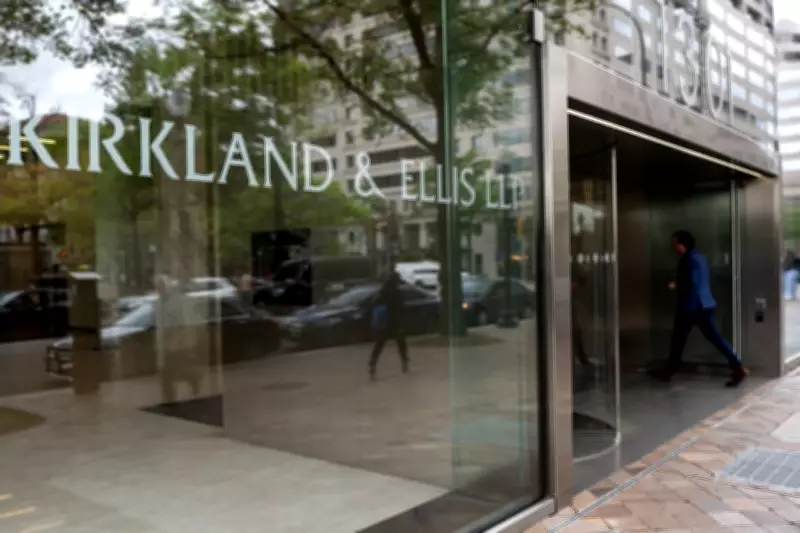
Kirkland & Ellis Discontinues 24-Hour Concierge Service in London
In a significant operational shift, the prestigious law firm Kirkland & Ellis has officially scrapped its 24-hour concierge service at its London office. This decision marks a notable change in the firm's approach to client and staff amenities, reflecting broader trends in the legal industry as firms navigate economic uncertainties and rising operational costs.
Details of the Service Termination
The concierge service, which provided round-the-clock assistance to employees and clients, has been discontinued effective immediately. Sources close to the firm indicate that the move is part of a series of cost-cutting measures aimed at streamlining operations. While the firm has not publicly disclosed specific financial figures, insiders suggest that the service was deemed non-essential in the current economic climate, where many legal entities are reassessing their expenditure to maintain profitability.
The London office, located in a prime area, had long offered this perk as part of its commitment to high-end service. However, with increasing pressure on margins, Kirkland & Ellis has opted to redirect resources toward core legal functions and client-facing activities. This adjustment is seen as a strategic realignment rather than a reduction in service quality, with the firm emphasizing its continued dedication to excellence in legal representation.

Industry-Wide Implications
This move by Kirkland & Ellis is indicative of a larger trend within the legal sector, where firms are increasingly scrutinizing ancillary services to cut costs. In recent years, the industry has faced challenges such as fluctuating demand, competitive pressures, and the need for technological investments. As a result, many top-tier firms are reevaluating their operational models to ensure sustainability.
The discontinuation of the concierge service may signal a shift away from lavish perks that were once commonplace in elite law firms. Instead, there is a growing focus on efficiency and value-driven services. Experts note that while such amenities can enhance employee satisfaction and client experience, they are often among the first to be trimmed during periods of financial restraint.
Impact on Employees and Clients
For employees at Kirkland & Ellis's London office, the loss of the 24-hour concierge service could mean adjustments in daily routines, particularly for those who relied on it for after-hours support. However, the firm has assured staff that alternative arrangements are in place to address essential needs, though details remain undisclosed.
Clients, on the other hand, are unlikely to see a direct impact on the legal services provided, as the concierge was primarily an internal amenity. The firm has reiterated its commitment to maintaining high standards of client care, with any changes being internal operational adjustments rather than service reductions.
Future Outlook
Looking ahead, this decision may prompt other law firms in London and beyond to review their own concierge and similar services. As the legal landscape evolves, firms are expected to continue balancing luxury perks with pragmatic financial management. Kirkland & Ellis's move could set a precedent for cost-conscious strategies in an industry known for its opulence.
In summary, the scrapping of the 24-hour concierge service by Kirkland & Ellis underscores a broader industry trend toward operational efficiency. While it represents a departure from traditional perks, it highlights the firm's adaptive approach in a challenging economic environment, ensuring its long-term competitiveness in the global legal market.






