

Protect Your Home from Locksmith Scams: A Comprehensive Guide
In an era where home security is paramount, a disturbing trend of locksmith scams is on the rise, targeting vulnerable homeowners and renters in urgent situations. These fraudulent operators often exploit emergencies, such as lockouts or broken keys, to overcharge, provide subpar services, or even compromise property safety. Understanding how to navigate this landscape is crucial for safeguarding both your finances and your home's integrity.
Recognizing Common Locksmith Scam Tactics
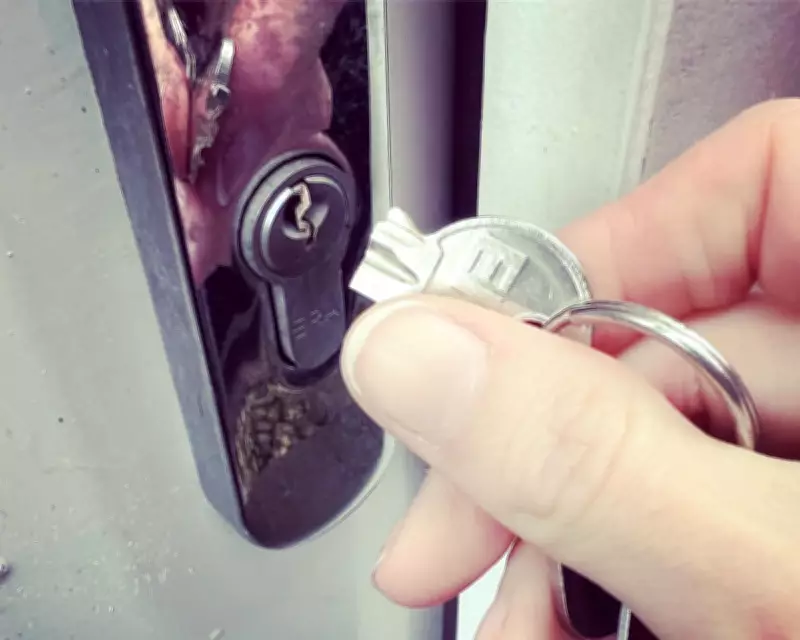
Scammers typically employ deceptive practices that can catch anyone off guard. One prevalent method involves advertising low upfront prices online or in directories, only to inflate costs dramatically once on-site, citing unexpected complications or "emergency fees." Others may use unmarked vehicles and lack proper identification, making it difficult to verify their legitimacy. In some cases, these individuals might use destructive techniques to gain entry, causing unnecessary damage that leads to costly repairs.
Essential Steps to Avoid Falling Victim
To steer clear of these pitfalls, follow these key strategies:

- Verify Credentials Thoroughly: Always ask for proof of licensing, insurance, and affiliation with recognized trade associations like the Master Locksmiths Association. Legitimate professionals will readily provide this information.
- Check Online Reviews and Ratings: Before hiring, research the locksmith on trusted platforms such as Google, Yelp, or Checkatrade. Look for consistent positive feedback and be wary of companies with few or suspiciously glowing reviews.
- Get a Detailed Written Estimate: Insist on a clear, itemized quote that includes all potential charges, such as labor, parts, and call-out fees. Avoid vague verbal agreements that can lead to surprises later.
- Use Local, Established Services: Opt for locksmiths with a physical address in your area rather than those operating solely through national call centers, which may subcontract to unreliable operators.
- Trust Your Instincts: If something feels off—like pressure to pay cash or reluctance to show identification—politely decline and seek an alternative provider.
The Financial and Security Risks of Scams
Beyond immediate financial loss, falling prey to a locksmith scam can have long-lasting consequences. Substandard work might leave your locks vulnerable to future break-ins, while unauthorized key duplication could compromise your home's security entirely. Moreover, dealing with uninsured scammers means you might be liable for any damages incurred during the service, adding to your expenses.
Proactive Measures for Homeowners
Prevention is always better than cure. Consider building a relationship with a reputable locksmith before an emergency strikes. Schedule routine maintenance, such as lock inspections or key replacements, to ensure your security systems are up-to-date. Additionally, keep a spare key with a trusted neighbor or in a secure lockbox to reduce the likelihood of urgent lockout situations.
By staying informed and vigilant, you can protect yourself from the growing threat of locksmith scams. Remember, a little due diligence goes a long way in preserving your peace of mind and your property's safety.






