

London Broadband Provider Enters Administration Following Rodent Damage to Fibre Network
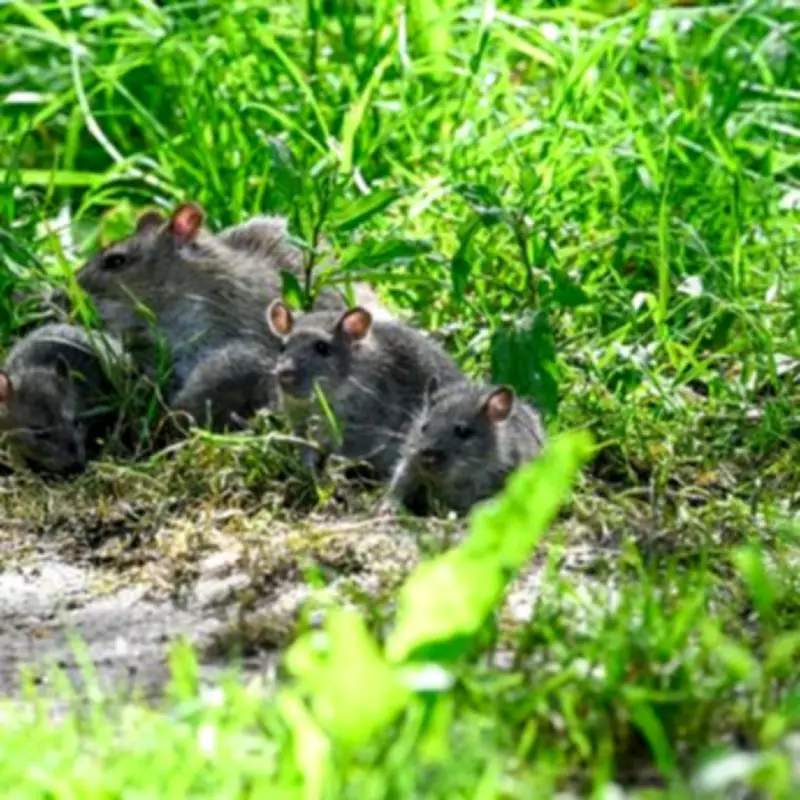
A significant London broadband provider has been forced into administration after rats reportedly chewed through and destroyed critical fibre optic cables, compounding existing financial struggles. G Network, a high-speed internet firm that serves approximately 25,000 customers across the capital, faced insurmountable challenges when rodent damage escalated repair costs, ultimately scuppering a potential rescue deal.
Financial Strain and Failed Rescue Bid
G Network, established in 2016, had been grappling with substantial debt, accumulating around £300 million recently. The company was in advanced talks with Community Fibre regarding a buyout of its assets, aiming to keep the business operational. However, Community Fibre withdrew from the bid after assessing the extensive damage to the fibre cables, attributed to rodents, which made repairs prohibitively expensive.
Graeme Oxby, chief executive of Community Fibre, explained the decision, stating, "Rodents like ducts and they like fibres which are very tasty. We've not shown much interest as we believe it has quite a lot of structural issues and would be quite an expensive fix." This setback highlights the vulnerability of infrastructure to unexpected environmental factors.

Administration Process and Previous Ownership
In response to the crisis, Fitzwalter Capital, a firm specialising in acquiring distressed businesses, has submitted an application to appoint administrators at G Network. This move follows Fitzwalter Capital taking control from previous owners, the USS pension fund and Cube Infrastructure Managers. The company had previously engaged bankers at Jefferies and Nomura to seek a buyer over 18 months ago, but these efforts proved unsuccessful.
G Network had ambitious plans to expand its network to reach 1.4 million homes in London through a £1 billion investment, but these aspirations have now been derailed by the combined impact of financial woes and physical damage.
Broader Implications and Political Response
The incident has raised concerns about infrastructure resilience and competition in the broadband market. Local MP and Labour’s energy secretary, Ed Miliband, has intervened, asking Openreach about measures to prevent future widespread outages, after residents and businesses reported broadband disruptions last month that were later confirmed as rodent-related.
Mr Oxby further commented on the industry landscape, noting, "Clearly there are going to be the distressed consolidations, maybe lender-led or specialist-led, but we don't feel that consolidation is the only answer. Recently it's seemed that alt-nets only exist to consolidate. We set up to be successful competitors to the incumbent and introduce some competition into the market... I think that's got lost a bit." This underscores challenges faced by alternative network providers in maintaining competitive pressure against established players.
The collapse of G Network serves as a stark reminder of how unforeseen events, such as rodent infestations, can critically impact technological infrastructure and business viability, affecting thousands of customers and broader market dynamics.






