

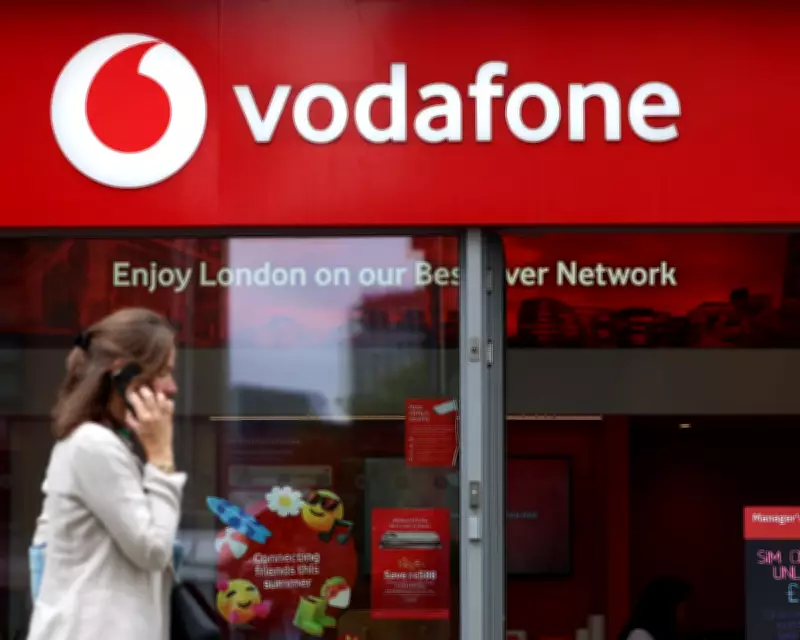
A parliamentary committee has issued a stark warning that "unsustainable" gaps in the policing of franchise businesses must be eradicated by the UK government, following a series of damaging scandals that have rocked the sector.
Committee Calls for Legislative Overhaul
The House of Commons business and trade committee's findings form a key part of its small business strategy report, which was prompted by a Guardian investigation in December. That investigation revealed tragic claims surrounding Adrian Howe, a former Vodafone employee who became a franchisee in 2018 and later drowned, reportedly after becoming convinced his deal with the multinational telecommunications giant would lead to financial ruin.
Allegations of Power Imbalances and Abuse
The cross-party committee highlighted further serious allegations from Vodafone franchisees, who described a significant imbalance of power in their agreements. These claims were serious enough to prompt the launch of a high court claim in December 2024, which Vodafone is currently contesting.

Separately, the MPs raised alarming allegations of "widespread sexual harassment and abuse in McDonald's restaurants," questioning how franchisors could "fail to maintain adequate oversight of their franchisees' employment practices."
The committee concluded unequivocally: "Gaps in the oversight of franchise agreements allow serious employment abuses to go unaddressed and leave franchisees exposed to unfair contractual practices. The absence of a dedicated regulatory framework or clear accountability for employment standards within franchise networks is no longer sustainable."
Proposed Solutions and Broader Business Pressures
In response to these systemic issues, the committee has added its voice to growing calls for new legislation. It recommends that the government seriously consider the "introduction of a statutory code of conduct, alongside stronger independent enforcement mechanisms" to protect both franchisees and employees.
The wide-ranging report also identified several "key pressures" crippling small businesses across the UK:
- An alarming rate of high street decline, with an average of 38 stores closing each day across Great Britain
- A late payment crisis of monumental proportions, with UK small businesses owed £112 billion in unpaid invoices by the end of 2024
- Significant regulatory burdens, including estimates from the British Retail Consortium that the autumn budget added £7 billion to the cumulative cost of policy and regulation affecting the retail sector
Fundamental Reforms Needed
The committee proposed two fundamental reforms to address these challenges. Firstly, it called for business rates to be replaced with a fairer system that "reflects a firm's ability to pay." Secondly, it suggested the late payment crisis could be ended by introducing "stronger, enforceable measures ... including mandatory transparency to change behaviour across supply chains."
Chair's Stark Assessment
Committee chair Liam Byrne delivered a sobering assessment of the current situation: "The evidence we heard during this inquiry was stark. Many small businesses are now operating under pressures comparable to those experienced during the Covid pandemic but this time without an emergency support framework in place.
"SMEs are facing late payments, rising energy costs, increasing crime, a complex tax system and barriers to growth that are compounding rather than easing. These pressures are not isolated; together they pose a real risk to business viability, high streets and economic growth.
"High streets do not die by accident. If the government is serious about growth, it must set out a more coherent and ambitious plan for the businesses that make up so much of the UK economy."
Corporate Responses
In response to the allegations, a spokesperson for McDonald's stated that franchisees are held to account regularly through newly strengthened review processes. The company "reserves the right to take appropriate action, including the termination of a relationship, if a franchisee fails to deliver on our standards and expectations." They added that franchisees have contractual obligations to comply with all applicable laws and regulations, plus additional standards set by McDonald's.

Vodafone has previously stated that it did not push Howe into agreeing to take on any poorly performing stores, addressing one aspect of the controversy surrounding franchise agreements in the telecommunications sector.
The committee's report represents a significant intervention in the debate about franchise regulation, small business support, and high street survival, putting substantial pressure on the government to act before more businesses and individuals suffer from the current regulatory gaps.





