

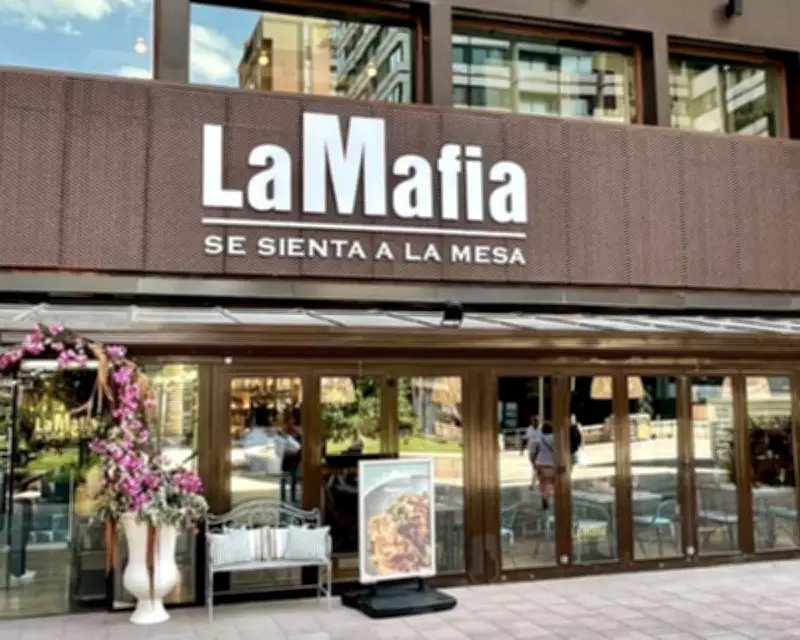
In a landmark decision with significant cultural and legal implications, Spain's Patent and Trademark Office has ruled that a Spanish restaurant chain must abandon its controversial name, 'The Mafia Sits at the Table,' following persistent objections from the Italian government. The office declared the brand's nomenclature invalid, stating it runs counter to "both public order and morality" by directly referencing a real criminal organization.
Years of Legal Battles Culminate in Favor of Italy
Italy has vigorously pursued this claim against the chain, known in Spanish as 'La Mafia se sienta a la mesa,' through various courts and official bodies over several years. The Italian government argued that the name trivializes organized crime and undermines efforts to combat it, presenting a distorted and offensive portrayal of a serious global issue.
This recent ruling aligns with a 2018 decision by the EU Intellectual Property Office, which also found the name invalid. The EU office emphasized that the brand conveyed a "globally positive image" of the mafia, likely to shock or offend victims, their families, and any person with average sensitivity encountering the mark within EU territory.

Restaurant's Defense and Italy's Counterarguments
The restaurant chain, which retains the right to appeal, defended its name by claiming it originated from a recipe book rather than the criminal organization. Representatives argued that the term "mafia" is no longer exclusively associated with illegal activity, citing its use in audiovisual and literary industries where it often alludes to a cultural phenomenon rather than criminality.
However, the trademark office's ruling highlighted Italy's compelling counterarguments. Italy stressed that the mafia represents a persistent, real-world criminal organization operating globally, including in Spain, and is involved in grave crimes such as drug and weapons smuggling, organized crime, piracy, money laundering, corruption of public officials, and murders. The office concluded that the name's connection to this ongoing criminal reality made it unacceptable.
Chain's Reaction and Future Prospects
The chain described the decision as "unprecedented in Spain" and is considering an appeal. Company sources expressed frustration, noting they had successfully renewed their trademark multiple times over the past two decades and had attempted to discuss the matter directly with Italy's ambassador to Spain to explain the name's origin and meaning.
"Over the years, we have tried on numerous occasions to explain the origin and meaning of our name, but we haven't had a real opportunity to do so," said company representatives. "As has always been the case, we are uninvolved and distance ourselves from any negative connotations attributed to us by the Spanish Patent and Trademark Office and the Italian embassy. Our focus is on continuing to build the company's future, and we remain true to the essence of the project: a high-quality Italian-Mediterranean culinary offering and a distinctive dining experience."
This case underscores the complex interplay between intellectual property, cultural sensitivity, and international relations, setting a potential precedent for how trademarks referencing controversial or criminal entities are handled within the European Union.






