

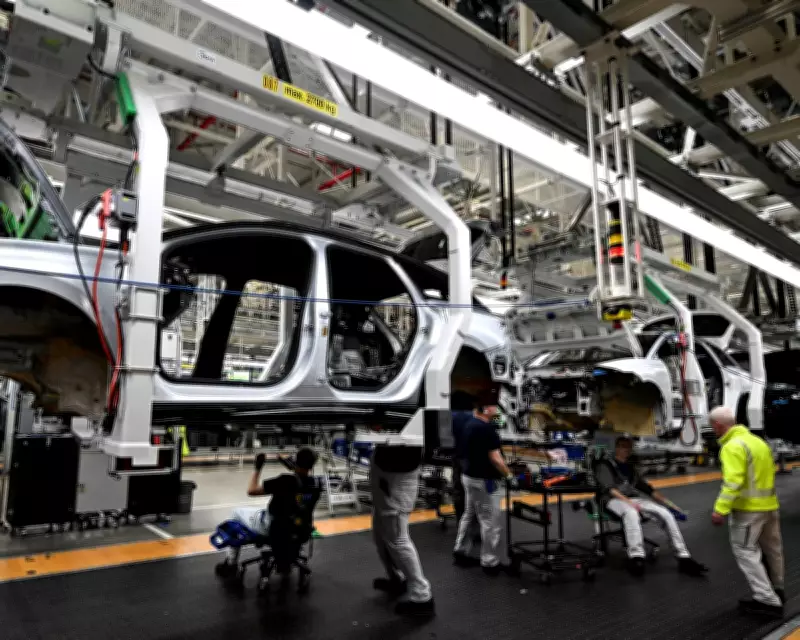
In a bold move to navigate an increasingly competitive automotive landscape, Volkswagen has unveiled a comprehensive restructuring plan designed to slash costs by billions of euros. This strategic overhaul comes as the German automaker faces mounting pressure from Chinese rivals, particularly in the electric vehicle (EV) sector, where innovation and pricing are reshaping global markets.
Driving Forces Behind the Restructuring
The decision to implement deep cost reductions stems from Volkswagen's urgent need to enhance profitability and maintain its market position. Chinese manufacturers, such as BYD and Nio, have aggressively expanded their EV offerings, leveraging advanced technology and competitive pricing to capture significant market share. This has forced traditional automakers like Volkswagen to reassess their operational efficiencies and investment strategies.
Key Components of the Plan
Volkswagen's restructuring initiative includes several critical measures aimed at streamlining operations and boosting financial resilience. These encompass workforce adjustments, optimization of production processes, and a renewed focus on high-growth segments like electric and autonomous vehicles. The company aims to achieve substantial savings over the next few years, with a target of reducing expenses by billions to reinvest in innovation and sustainability.

Implications for the Global Automotive Industry
This restructuring signals a broader trend within the automotive sector, where legacy manufacturers are compelled to adapt to rapid technological shifts and evolving consumer preferences. Volkswagen's efforts to cut costs while accelerating its EV development could set a precedent for other firms grappling with similar challenges. However, the plan also raises questions about potential job impacts and the pace of transition to greener technologies.
As competition intensifies, particularly from China's burgeoning EV market, Volkswagen's ability to execute this restructuring effectively will be crucial for its long-term viability. The company's leadership emphasizes that these changes are essential to staying competitive and driving future growth in an era defined by digital transformation and environmental concerns.






