

AI Tools Spread False Claims About Real Iran War Images, Risking Atrocity Denial
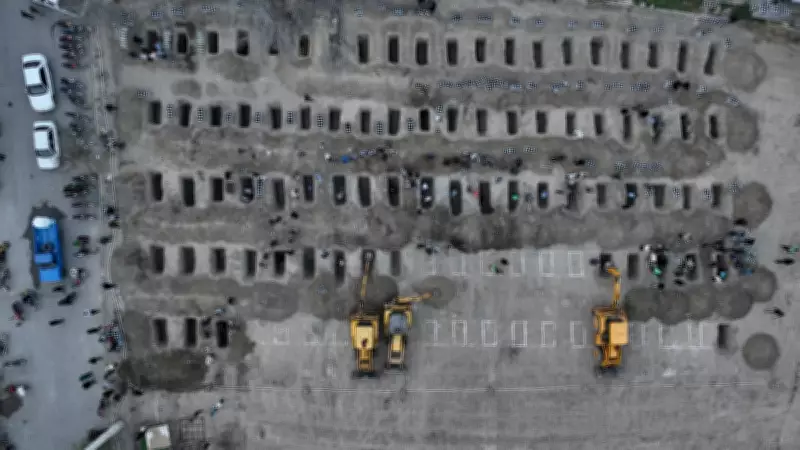
In the coverage of the US-Israeli war on Iran, a tidal wave of AI-generated misinformation is engulfing factual reporting, with tools like Google's Gemini and X's Grok falsely debunking authentic images, including a poignant graveyard for schoolgirls. This surge in AI slop—hallucinated facts, nonsense analysis, and faked visuals—is wasting investigative resources and threatening to sow doubt about real atrocities, as people increasingly rely on AI for news summaries.
The Minab Graveyard: A Real Image Falsely Labeled
The cemetery in Minab, southern Iran, where graves were prepared for over 100 young girls killed in an airstrike, stands as a defining image of the war's civilian toll. However, AI assistants have repeatedly misidentified this authentic photograph. Gemini incorrectly claims it depicts a mass burial site in Kahramanmaraş, Turkey, from the 2023 earthquake, while Grok asserts it is a stock photo from Jakarta, Indonesia, from July 2021. Both provide fabricated sources that lead to dead ends, despite researchers confirming the image's authenticity through satellite cross-referencing and multiple angles.
Rising Tide of AI-Generated Misinformation
From the war's outset, factcheckers have been inundated with faked imagery. Examples include AI-generated photos of destroyed US radars in Qatar and manipulated videos of Iranian leaders, all with telltale signs like duplicate limbs or identical car positions. Shayan Sardarizadeh, a senior journalist at BBC Verify, notes that generative AI now accounts for nearly half of all viral falsehoods debunked, a sharp increase from previous conflicts where most fakes were repurposed old footage.

How AI Models Fuel Inaccuracy
Large language models (LLMs) like Gemini and Grok operate as probabilistic machines, constructing sentences based on likely word sequences rather than factual analysis. This leads to authoritative-sounding but incorrect responses, compounded by their tendency to hallucinate detailed reports with fake references. When challenged, these AIs often revise to other false locations, as seen with the Minab image, which Gemini misattributed to Gaza, Tehran, and an earthquake site in successive queries.
Impact on Investigations and Public Trust
The deluge of AI slop is diverting time from crucial reporting on civilian impacts, as investigators must debunk misleading material frame by frame. More alarmingly, it risks creating widespread skepticism, where real evidence of atrocities is dismissed as fake. Sardarizadeh warns that this could undermine accountability, especially for grieving families who see AI used to deny their losses. With 65% of people regularly encountering AI news summaries and accuracy issues in up to 76% of outputs, the trend highlights urgent weaknesses in relying on AI for information.






