In an increasingly saturated artificial intelligence sector, startups are turning to bold and unconventional marketing tactics to capture attention and differentiate themselves from competitors. With over 90,000 AI companies operating globally, many firms are finding that traditional product messaging alone is no longer sufficient to stand out in a crowded marketplace.
Theatrical Stunts Drive Viral Engagement
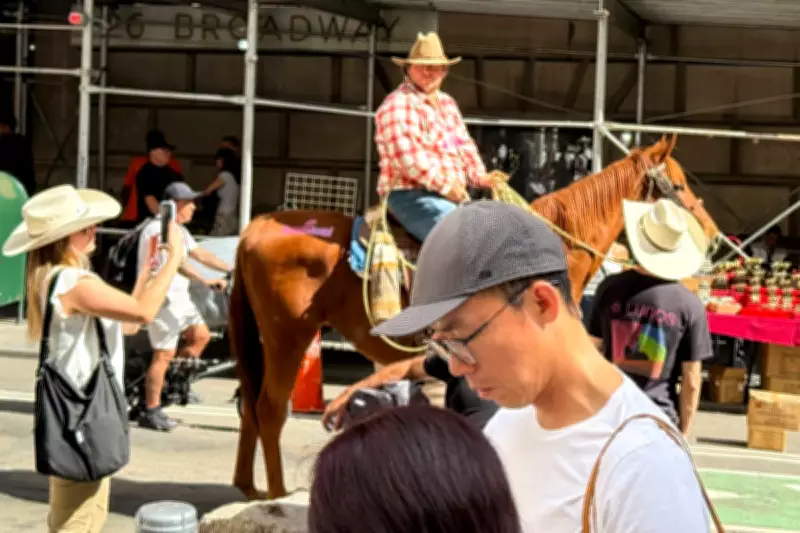
One notable example comes from Lunos, an AI startup based in New York City that specialises in automating invoices and tracking payments. To launch their brand, the company invested $3,500 in a marketing stunt that involved hiring a cowboy to lasso the iconic Wall Street bull sculpture in lower Manhattan. During a sweltering evening in late September, the cowboy, adorned with Lunos-branded gear, galloped towards the statue, successfully roping its horns while distributing cowboy hats and stress balls to onlookers.
Alex Mann, Head of Growth at Lunos, explained the rationale behind this dramatic approach. "We were trying to figure out in a sea of sameness how we could stand out as a startup to be reckoned with," he said. The stunt aimed to literally illustrate the company's pitch of "taming the wild west" of accounts receivables, generating significant online buzz and driving thousands of visitors to their website.

Provocative Tactics Across the Industry
Lunos is not alone in embracing spectacle over conventional corporate messaging. Other AI startups have adopted similarly provocative strategies to cut through the noise. For instance, Virio, an AI marketing startup, hired cowboys to walk horses around the Moscone Center in San Francisco during a major marketing conference. The goal was to create viral content for LinkedIn, targeting founders and C-suite executives at mid-sized companies.
Emmett Chen-Ran, co-founder of Virio, emphasised that the stunt was designed to fuel online engagement. "You don't do the stunt for the stunt itself," he noted. "You do it for the LinkedIn posts and the content it drives." Despite mixed results on the day, the event still generated over 300 qualified website visitors and increased brand visibility.
In a more daring move, Personal AI, a startup focused on small language models, used nudity as a visual metaphor during a conference presentation. CEO Suman Kanuganti appeared onstage topless, arguing that large language models leave users feeling "exposed" and that his company offers protective "layers" through transparent AI systems. This performance helped cement the firm's positioning and led to additional customer deals.
Pressure and Desperation in a Capital-Rich Sector
Marketing experts attribute this shift towards theatrical stunts to mounting pressure within the AI industry. According to Crunchbase data, AI startups raised approximately $202.3 billion globally in 2025, up from $114 billion the previous year, indicating a highly competitive and capital-rich environment.
Emily Heyward, co-founder and CEO of the marketing agency Red Antler, described a "land grab mentality" among founders who are desperate to seize attention before rivals do, even if their products are still evolving. "Few, if any, of these businesses are currently delivering on their ultimate product vision," Heyward said. "It's really about drumming up enough noise that people try you versus the other guy."
Tom Goodwin, co-founder of the consulting firm All We Have Is Now, offered a more cynical perspective, suggesting that fear and desperation are driving these tactics. "These companies are terrified that no one's going to notice them," he argued, pointing to broader ethical concerns in AI, such as job displacement and intellectual property issues.
Measurable Results and Future Implications
Despite the controversies, these stunts have yielded tangible benefits for the startups involved. Lunos reported a spike in inbound leads, with hundreds of qualified prospects filling their sales pipeline in the three months following the Wall Street event. The publicity also attracted job applications from top-tier professionals, including consultants from McKinsey.

Similarly, Personal AI secured additional conference bookings and small customer deals after Kanuganti's provocative presentation. While Virio's stunt did not unfold perfectly, it still contributed to brand recognition and engagement within their target market.
As the AI sector continues to expand, with digital ad spending for generative AI apps surpassing $200 million in Q2 2025 alone, the pressure to innovate in marketing is unlikely to diminish. Alex Mann of Lunos summed it up: the stunt "opened the door for us to think creatively about how we want to design future activation campaigns." This trend suggests that as competition intensifies, AI startups may increasingly rely on bold, attention-grabbing tactics to secure their place in a rapidly evolving landscape.