

Apple's 50-Year Journey: Defining Consumer Technology Through Triumphs and Setbacks
Fifty years after Steve Jobs, Steve Wozniak, and Ronald Wayne founded Apple in a Los Altos garage, the company has transformed into a global technology behemoth. Billions of people worldwide interact with Apple products daily, from pioneering home computers to the smartphone that revolutionized mobile communication. Throughout its history, Apple has consistently reset consumer expectations, initiating trends and popularizing innovations that define modern digital life.
The Groundbreaking Successes That Shaped Modern Computing
Apple II (1977) marked Apple's first mass-market personal computer breakthrough. Designed by Steve Wozniak as a complete, ready-to-use machine rather than a hobbyist circuit board, it combined electronics, keyboard, and power supply in a single case. The Apple II offered color graphics, Basic programming language in read-only memory, and expansion slots that fostered a thriving ecosystem of third-party hardware and software. Aggressive education discounts placed it in American classrooms, making it the first computer experience for countless students and transforming Apple from a startup into a PC revolution leader.
Macintosh (1984) represented Apple's next paradigm shift, popularizing the graphical user interface with windows, icons, menus, and a mouse. Named after Apple employee Jef Raskin's favorite apple variety, the Mac made computing accessible through friendly on-screen interactions. Ridley Scott's iconic "1984" Super Bowl advertisement positioned it as a rebellious alternative to IBM's corporate computing world, establishing Apple's mastery of human-computer interface design.

iMac G3 (1998) revolutionized PC aesthetics with translucent all-in-one machines available in vibrant colors. Beyond its eye-catching design, the iMac G3 simplified internet connectivity to just two cables, making technology approachable and fun during the internet's explosive growth period. This combination of design excellence and user-friendliness helped Apple eclipse competitors like Sony's Vaio computers.
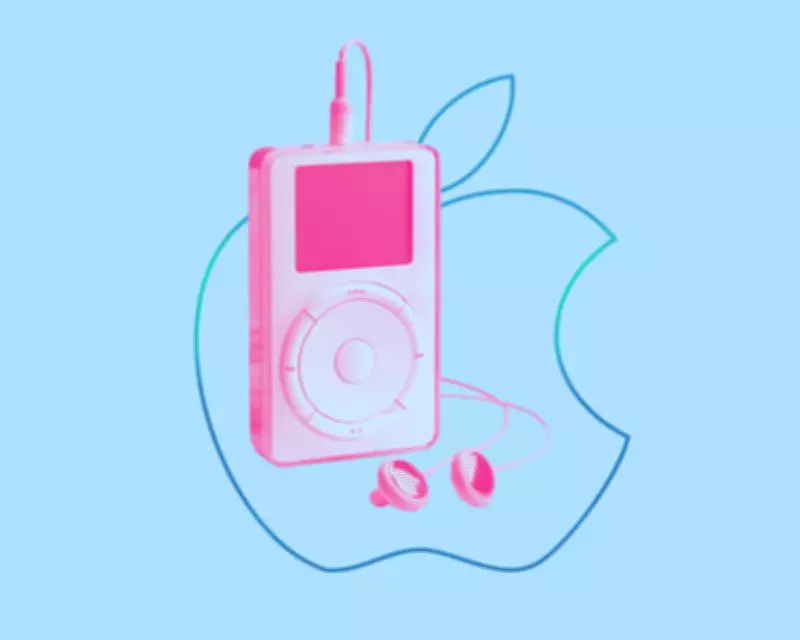
iPod (2001) transformed music consumption with its "1,000 songs in your pocket" promise. While not the first MP3 player, Apple's device became mainstream through slick hardware, seamless iTunes integration, and memorable marketing featuring white earbuds and dancing silhouettes. The iPod trained millions to purchase digital media through Apple's ecosystem, paving the way for the iPhone's eventual success.
iPhone (2007) popularized the smartphone concept despite not being the first device in its category. Steve Jobs' live demonstration introduced intuitive touch interactions like scrolling, swiping, tapping, and pinching that became industry standards. The iPhone's App Store established controlled ecosystem principles that continue to differentiate Apple from competitors, creating a standardized environment for app development and user experience.
The Surprising Failures That Provided Valuable Lessons
Apple III (1980) suffered catastrophic hardware flaws despite being designed as a business-focused upgrade. Steve Jobs' insistence on a fanless chassis caused severe overheating, with chips popping out of sockets due to thermal expansion. Apple's embarrassing recommendation to lift and drop the machine to reseat components damaged the brand's reputation, while unusual design choices like upper-case-only displays frustrated users.
Macintosh Portable (1989) represented Apple's first battery-powered computer attempt but failed spectacularly due to excessive size, weight, and cost. Despite a million-dollar launch event with 5,000 attendees, the Los Angeles Times declared it "too big, too heavy and too expensive." Price reductions couldn't salvage sales, and production ceased within two years.
Newton MessagePad (1993) aimed to lead the personal digital assistant market with touchscreen capabilities and stylus handwriting recognition. However, notoriously inaccurate text interpretation—famously mocked on The Simpsons—turned the device into a joke. High pricing and battery-life issues further doomed sales, though the Newton foreshadowed future tablet concepts.

Apple Pippin (1996) represented Apple's brief foray into gaming consoles, developed in partnership with Bandai. Marketed as a multimedia device for gaming, music playback, and internet access, the Pippin suffered from a pitiful launch library of only 18 titles and clunky performance. With just 12,000 units sold in the United States and 30,000 in Japan, it became Apple's most embarrassing hardware dead end.
Apple Vision Pro (2024) serves as Apple's most recent high-profile stumble in "spatial computing." Despite Tim Cook's bold claims about redefining work and technology interaction, the $3,499 headset faced production halts due to dismal sales. Analysts estimate only 390,000 units shipped in 2024, with critics citing weight, battery life, and visual discomfort issues as significant barriers to adoption.
The Enduring Legacy of Control and Innovation
Throughout its fifty-year history, Apple has demonstrated that its most successful products emerge when the company maintains near-absolute control over hardware, software, and ecosystem integration. From the Apple II's expansion slots to the iPhone's App Store, this philosophy has consistently delivered revolutionary user experiences. Conversely, products like the Pippin gaming console, developed through partnerships, have generally underperformed due to compromised control.
Apple's journey reflects a continuous tension between visionary innovation and practical market realities. While devices like the Newton MessagePad and Vision Pro may have been technologically ahead of their time, they struggled with implementation challenges and consumer readiness. Yet even these failures contributed valuable lessons that informed subsequent successes, demonstrating that in technology, timing and execution matter as much as groundbreaking ideas.
As Apple enters its second half-century, the company's legacy remains defined by its ability to make complex technology accessible through elegant design and intuitive interfaces. From garage startup to global icon, Apple's story continues to shape how billions of people worldwide work, communicate, and experience digital life.





