

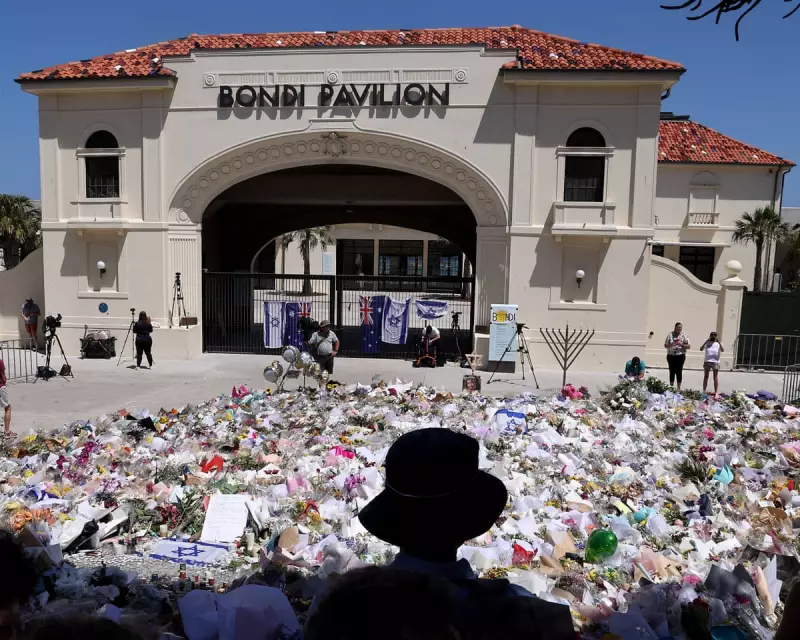
In the harrowing aftermath of the Bondi Junction terror attack, which left six people dead, a parallel crisis unfolded online. Social media platforms, particularly X, became inundated with a torrent of AI-generated misinformation, complicating the public's search for truth and exposing the vulnerabilities of modern content moderation.
The Flood of Fabricated Content
In the hours and days following the tragedy, users seeking reliable information on platform X were met with a feed saturated with falsehoods. The platform's algorithmic "For You" page promoted baseless claims that the attack was a staged 'psyop' or false-flag operation. Other rampant fabrications included assertions that Israeli Defence Forces soldiers were responsible, that victims were 'crisis actors', and that an innocent bystander was falsely identified as an attacker.
Generative artificial intelligence significantly exacerbated the problem. A deeply altered video featuring New South Wales Premier Chris Minns circulated widely, with synthetic audio attributing false statements to him. In another egregious case, a real photograph of a victim was manipulated using AI to suggest he was an actor having fake blood applied. The man in the image, human rights lawyer Arsen Ostrovsky, later condemned the "sick campaign of lies and hate".

Platform Failures and International Fallout
The platform's own tools appeared to contribute to the confusion. X's AI chatbot, Grok, incorrectly told users that a hero of the attack was an IT worker with an English name, rather than the Syrian-born man, Ahmed al-Ahmed, who actually confronted the assailant. This false narrative seemingly originated from a spoof news website created on the day of the attack.
The disinformation also crossed international borders. Pakistan's information minister, Attaullah Tarar, stated the country was targeted by a coordinated online campaign falsely labelling one of the suspects as a Pakistani national. A Pakistani man living in Australia described the "extremely disturbing" experience of seeing his photo falsely linked to the attack online. Tarar alleged the campaign originated from India.
A Broken Fact-Checking Ecosystem?
The spread of these falsehoods highlights critical failures in content moderation. Since Elon Musk's acquisition, X has dismantled its professional fact-checking programme, replacing it with a crowdsourced 'Community Notes' system. While notes were eventually added to some false posts, experts like QUT lecturer Timothy Graham note the system is too slow during fast-moving events and ineffective in polarised debates.
Meta, the parent company of Facebook and Instagram, is also moving towards a similar community-driven model, raising concerns about a broader industry retreat from proactive misinformation management. An industry group representing tech platforms in Australia, Digi, has even proposed dropping code requirements to tackle misinformation, calling it a "politically charged" issue.
Many of the fakes currently contain tell-tale signs, like an American accent in a fake Minns video or distorted text in AI images. However, as AI technology advances rapidly, distinguishing fact from fiction will become exponentially harder. With AI companies and platforms showing little appetite for preventative measures, the Bondi attack aftermath serves as a stark warning: in future crises, the digital information ecosystem may be as dangerous as the physical threat.






