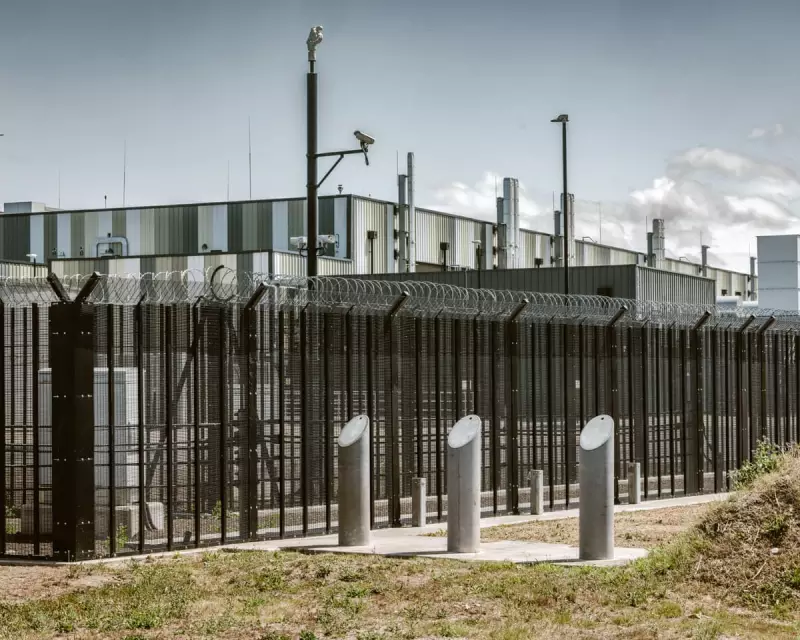
The world is witnessing an unprecedented explosion in data centre construction, creating what analysts are calling a £1.4 trillion debt bubble that could reshape global financial markets. This massive infrastructure push is being driven by the insatiable demands of artificial intelligence and cloud computing technologies.
The AI Revolution's Hidden Cost
As artificial intelligence systems become increasingly sophisticated, their hunger for computational power has reached staggering proportions. Major tech corporations including Amazon, Microsoft, and Google are engaged in a frantic race to build the infrastructure needed to support next-generation AI applications.
This digital arms race has triggered what industry experts describe as the most significant building boom since the railway expansion of the 19th century. Data centres are springing up across the globe at an astonishing rate, transforming landscapes and financial portfolios alike.

Investment Surge and Financial Concerns
The scale of investment has reached breathtaking levels. According to recent analysis, the total capital flowing into data centre projects has surged to approximately £250 billion annually. This represents a dramatic increase from previous years and shows no signs of slowing.
However, this rapid expansion comes with significant financial risks. The enormous debt burden accumulated to fund these projects has raised concerns among economists and financial regulators. Some experts worry that the sector could be heading toward a potential bubble scenario reminiscent of previous technology booms.
Key Factors Driving the Boom
- AI computational demands requiring exponentially more processing power
- Cloud computing expansion as businesses migrate operations online
- Government digitalisation initiatives worldwide
- 5G and Internet of Things infrastructure requirements
Global Impact and Regional Variations
The data centre construction wave is truly global in scope, with significant activity across multiple continents. North America currently leads in investment volume, but Europe and Asia are experiencing rapid growth as well.
In the United Kingdom alone, multiple major projects are underway, though the scale of investment varies significantly by region. The concentration of these facilities near existing digital infrastructure has created what some are calling "digital hotspots" that attract further investment.
Environmental and Energy Considerations
The environmental impact of this expansion cannot be overlooked. Data centres are notoriously energy-intensive, consuming vast amounts of electricity for both operation and cooling systems. This has sparked debates about sustainability and the carbon footprint of our increasingly digital world.
Many operators are now investing heavily in renewable energy sources and innovative cooling technologies to mitigate environmental concerns. However, the sheer scale of energy consumption continues to present challenges for grid operators and environmental regulators.
Future Outlook and Potential Risks
Looking ahead, industry analysts predict continued strong growth in the data centre sector, though the pace may moderate as financial constraints and regulatory concerns come into play. The relationship between technological advancement and financial stability will likely remain a key focus for investors and policymakers.
As one financial analyst noted, "We're building the digital infrastructure for the next century, but we're doing it with financial models that may not be sustainable for the next decade." This tension between technological ambition and financial prudence defines the current landscape of global data centre development.
The coming years will reveal whether this massive investment in digital infrastructure represents visionary foresight or risky overextension. What remains certain is that the data centre boom is fundamentally transforming both our digital capabilities and our financial systems.