

Video Game Developer Debunks Violence Myth and Embraces AI Future
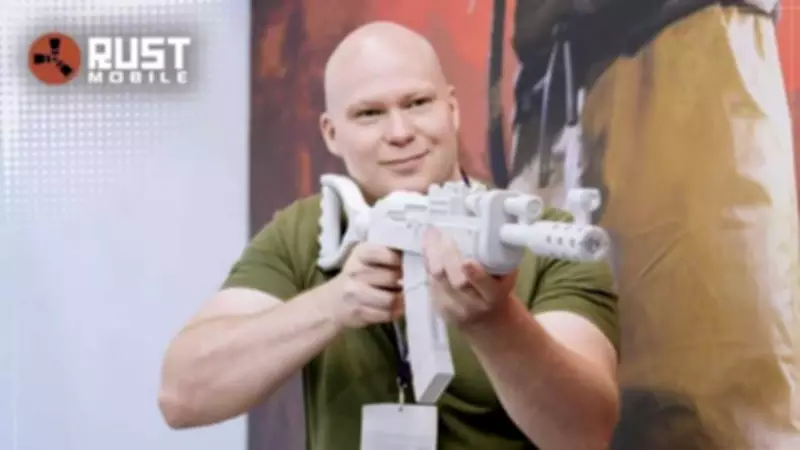
In an exclusive career feature, Alistair McFarlane, chief operating officer of Facepunch Studios and executive producer of the survival game Rust, provides a rare glimpse into the video game industry. From addressing long-standing controversies to navigating technological shifts, McFarlane offers a candid perspective on what it truly means to design interactive entertainment.
The Reality of Game Development: Beyond Playing Games
Contrary to popular belief, game development is far from a constant play session. McFarlane emphasizes that his role involves strategy, people management, planning, and product decisions. "I get relatives thinking I just play games all day a lot... but I don't," he notes. The job entails meetings, roadmaps, hiring, and problem-solving, with actual gameplay testing often being a minor component. At Facepunch Studios, flexibility is key; staff can work whatever hours suit them, as long as tasks are completed, fostering a unique but not industry-typical environment.
Debunking the Violence Narrative: A Creative Outlet Misunderstood
The persistent argument that video games encourage violence is firmly rejected by McFarlane. He points to decades of peer-reviewed research failing to establish any causal link. "It's an easy headline, but it doesn't hold up," he asserts. Instead, games serve as a massive outlet for social connection and stress relief, utilized in therapy, education, and pain management. McFarlane expresses disappointment that the press often blames the creative industry without evidence, oversimplifying complex societal issues.

AI as a Tool for Creativity, Not Replacement
McFarlane views artificial intelligence as a positive force in gaming. He describes AI as powerful and efficient, a tool that accelerates processes and allows teams to focus on creative aspects. "Every major shift in tech is disruptive," he acknowledges, but properly used, AI amplifies creativity by removing busywork and speeding up iteration. This enables more experimentation and innovation within development cycles.
Career Advice: Start Building and Embrace Risk
The biggest advice for aspiring developers is to start creating immediately. McFarlane urges individuals to build mods, prototypes, or small games rather than waiting for perfect opportunities. With AI, learning and experimenting have become easier than ever. He emphasizes that the best games stem from genuine passion and risk-taking, not just commercial calculations. "Don't play it safe," he advises, noting that passion resonates with players and drives success.
Accessibility and Scale in Game Design
McFarlane highlights iconic games as benchmarks of design excellence. He praises Mario for its simple controls, instant readability, and pure fun, calling it a masterclass in accessibility mixed with depth. Conversely, World of Warcraft offered an unparalleled sense of scale and discovery in 2004, creating a living world that combined exploration, progression, and social play. These examples illustrate the diverse approaches that define memorable gaming experiences.
Industry Dynamics: Indie vs. AAA and Community Engagement
Indie studios like Facepunch operate differently from major publishers. McFarlane explains they are not directly competing with giants like Sony or Activision but instead focus on ambitious risk-taking and faster iteration. The industry remains incredibly competitive, with many studios one bad release away from closure. Despite challenges, community feedback is invaluable; McFarlane asserts that comments are never ignored, as they often come from passionate, invested players whose insights drive improvement.

Lessons Learned: Passion, Perspective, and People
Key takeaways from McFarlane's journey emphasize reflection and humanity. He notes that angry fans often stem from deep investment, and stepping back to assess bigger-picture goals is crucial. "If the answer isn't a confident yes, you need to change course early," he warns. Reflecting on his career, McFarlane wouldn't change anything, viewing every decision as a learning experience. Ultimately, he stresses that putting people first matters more than anything else in the dynamic world of game development.





