

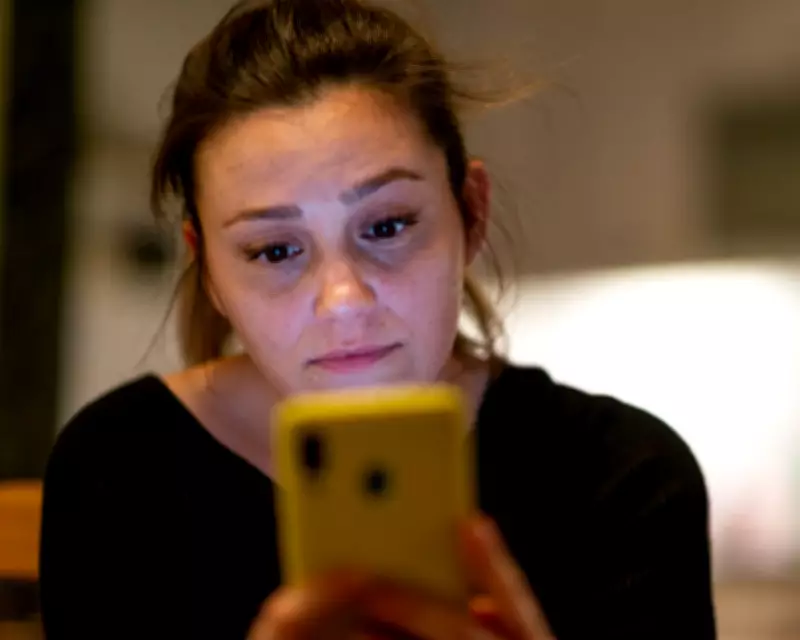
The Unintended Descent into Instagram's Mourning Algorithm
When I clicked on an Instagram post featuring a cheerful, tail-wagging dog, I anticipated a moment of lighthearted joy. Instead, I inadvertently opened a portal to what I now refer to as "Death Instagram." The lengthy caption beneath the happy canine's photo revealed the devastating truth: this beloved pet had recently passed away. My brief engagement with this content sent a powerful signal to the platform's algorithm, marking me as someone deeply interested in bereavement stories.
The Algorithm's Relentless Feedback Loop
Instagram's algorithm operates on a simple but powerful principle: whatever captures your attention for even a few seconds becomes interpreted as your primary interest. My innocent curiosity about the happy dog photo taught the algorithm that I wanted more content about loss and mourning. Like a laboratory rat repeatedly receiving electric shocks without learning the pattern, I kept engaging with these posts, each time reinforcing the algorithm's assumption.
Soon, my feed transformed into a continuous stream of bereavement announcements. Happy couple photos began appearing regularly, featuring people I didn't recognize. Each time, curiosity compelled me to read the captions, only to discover that one partner was announcing the other's passing. The algorithm had successfully identified my engagement pattern and was serving me an endless buffet of digital grief.

The Psychological Toll of Accidental Digital Mourning
This constant exposure to strangers' tragedies has created a confusing emotional state. I find myself mourning animals and humans I've never met, while simultaneously feeling devastated for the grieving strangers left behind. While some might argue that such reminders of life's fragility could foster appreciation for one's own circumstances, for me it has created a persistent undercurrent of sadness.
Research has long suggested that social media can contribute to depression, but I never anticipated this particular delivery method. The platform's relentless focus on my accidental engagement with mourning content has created an inescapable cycle. Even Harry Styles' album promotion posts, which now appear as rare islands of normalcy in my feed, feel like brief respites from the constant reminders of mortality.
Breaking Free from Algorithmic Grief
The solution might be simpler than expected. Perhaps the key lies in changing engagement patterns entirely. From now on, my approach will be fundamentally different: scroll continuously without stopping, and click only occasionally with extreme caution. This strategy represents a conscious effort to retrain the algorithm and reclaim my digital space from unintended mourning content.
This experience serves as a powerful reminder of how social media algorithms can trap users in unintended content cycles based on momentary engagements. What begins as innocent curiosity can quickly spiral into an overwhelming digital experience that affects mental wellbeing. The cheerful dog photo that started this journey now symbolizes how easily we can become ensnared in algorithmic patterns we never intended to create.






