

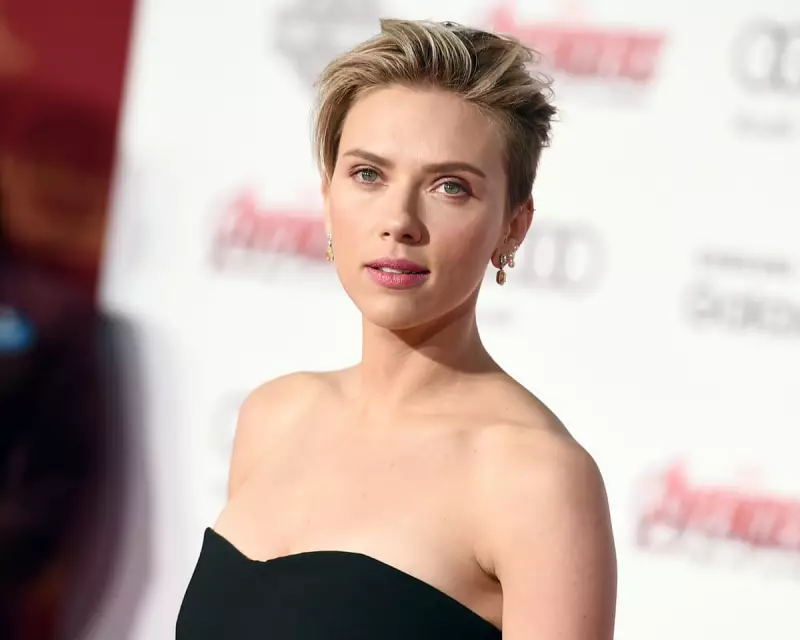
Scarlett Johansson and Cate Blanchett have emerged as prominent figures in a growing backlash against artificial intelligence companies, joining a coalition of nearly 800 creative professionals who accuse tech firms of systematic theft of artistic work. The campaign, launched under the banner "Stealing Isn't Innovation," represents a significant escalation in tensions between the creative industries and AI developers over copyright and compensation.
Creative Professionals Unite Against AI Practices
The movement brings together an impressive roster of Hollywood actors, musicians, authors, and performers who argue that AI companies are building their platforms using copyrighted material without proper authorisation or regard for intellectual property laws. Among the notable signatories are musicians from REM, bestselling author Jodi Picoult, actor Joseph Gordon-Levitt, Breaking Bad creator Vince Gilligan, and singer Cyndi Lauper.
The campaign's central statement delivers a blunt message to the technology sector: "Artists, writers, and creators of all kinds are banding together with a simple message: Stealing our work is not innovation. It's not progress. It's theft – plain and simple." This collective action represents one of the most coordinated responses from creative industries to the rapid advancement of generative AI technologies.

Licensing Deals Versus Content Scraping
While acknowledging that some AI companies have pursued legitimate licensing agreements – such as OpenAI's deals with Disney and the Guardian, or Warner Music Group's partnership with AI music generator Suno – the campaign argues these represent exceptions rather than industry standards. The statement specifically urges AI firms to pursue comprehensive licensing deals and partnerships with creative industries as standard practice.
The fundamental disagreement centres on whether AI companies' use of publicly available online material constitutes "fair use" under US law, as argued by OpenAI and other developers, or whether it represents copyright infringement requiring permission and compensation. This legal grey area has already spawned dozens of lawsuits in the United States, with more expected as AI capabilities expand.
Johansson's Personal Experience with AI
Scarlett Johansson brings particular personal experience to the campaign, having been unexpectedly drawn into the AI debate earlier this year when OpenAI's voice assistant featured a voice strikingly similar to her own. The actor expressed being "shocked, angered and in disbelief" by what she perceived as unauthorised use of her vocal likeness, prompting OpenAI to subsequently remove the voice from ChatGPT.
This incident highlighted the personal dimension of AI copyright issues, demonstrating how individual creative professionals can find their work or likeness incorporated into AI systems without consultation or compensation. Johansson's high-profile response helped bring mainstream attention to concerns that had been brewing within creative communities for several years.
Industry Backing and Political Dimensions
The "Stealing Isn't Innovation" campaign has been organised by the Human Artistry Campaign, which counts among its supporters major industry organisations including the Writers Guild of America, the Recording Industry Association of America, and the actors' union SAG-AFTRA. The latter organisation's 2023 strike included AI-related concerns among its central issues, demonstrating how these copyright questions are becoming increasingly significant in labour negotiations.
In the United Kingdom, the government has faced criticism for proposals that would allow AI companies to use copyright-protected work without seeking artists' permission unless creators explicitly "opt out" of the process. Technology Secretary Liz Kendall recently announced that the government is seeking a "reset" on these plans through an official review scheduled for publication in March, indicating that political pressure from creative industries is having some effect on policy development.

The Broader Implications for Creative Work
Vince Gilligan, creator of the acclaimed television series Breaking Bad, offered a particularly vivid critique of current AI practices, describing the technology as the "world's most expensive and energy-intensive plagiarism machine." This characterisation captures the frustration many creatives feel about seeing their work used to train systems that could potentially undermine their future employment opportunities.
The campaign emerges at a critical juncture in AI development, as companies increasingly rely on vast datasets scraped from the open web to train models that generate text, images, music, and video. Creative professionals argue that this practice fundamentally devalues artistic labour and threatens the economic foundations of cultural production, while AI developers maintain that their work represents legitimate technological advancement protected by fair use provisions.
As the debate continues to evolve, the involvement of high-profile figures like Johansson and Blanchett ensures that questions about AI copyright and creative compensation will remain prominent in public discourse, with significant implications for how technology companies and creative industries negotiate their increasingly intertwined futures.





