

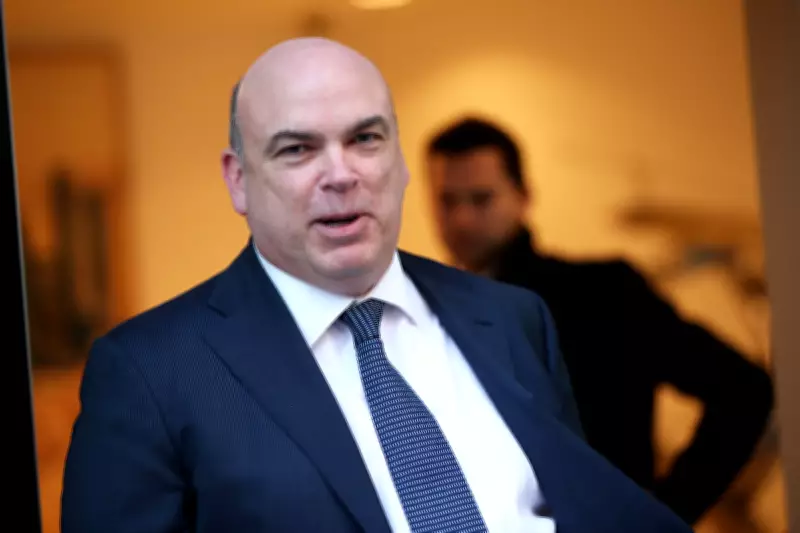
The estate of the late British technology tycoon Mike Lynch has been formally denied permission to appeal a significant High Court ruling. This ruling found Lynch liable to pay substantial damages to Hewlett Packard Enterprise (HPE) concerning its controversial acquisition of Autonomy.
Appeal Permission Denied by High Court
Legal representatives acting for Lynch's estate had sought to challenge the 2022 judgment. That judgment held both Lynch and Autonomy's former chief financial officer, Sushovan Hussain, responsible for misleading the US technology giant ahead of its monumental $11.1 billion (£8.8 billion) takeover in 2011. The High Court has now refused permission to appeal not only the original liability ruling but also specific elements of a subsequent damages decision.
However, it is important to note that the estate retains the right to apply directly to the Court of Appeal for permission, leaving a potential legal avenue open. HPE has been aggressively pursuing compensation following the dramatic collapse in Autonomy's valuation, which was written down by a staggering $8.8 billion within just one year of the deal's completion. The US firm had initially sought damages reaching up to $5 billion, though the final award is anticipated to be considerably lower.

Background of a Long-Running Commercial Dispute
This case has evolved into one of the United Kingdom's largest and most intricate commercial legal battles. In 2022, the High Court ruled decisively in favour of HPE, concluding that Lynch and Hussain had fraudulently inflated Autonomy's financial health prior to the sale. Hussain was previously convicted on related charges in the United States, while Lynch was later acquitted of criminal charges by a jury in San Francisco.
Civil proceedings in London have persisted independently. The court last year awarded HPE approximately £700 million in damages, a figure far below the £1.35 billion initially argued for by the company. HPE has welcomed this latest decision, viewing it as a critical step forward in resolving the protracted litigation that has spanned years.
Tragic Circumstances and Continued Legal Contest
Mike Lynch died in August 2024 after a super-yacht sank off the coast of Sicily. This tragic accident also claimed the lives of his 18-year-old daughter, Hannah, and five other individuals. The trip had been intended as a celebration following his acquittal in the US criminal case.
Despite this personal tragedy, his estate has continued to contest specific aspects of the civil case. The estate's arguments focus on claims that the damages calculations, particularly concerning interest, were excessive and founded on flawed financial analysis. Lawyers for the estate contended there were legitimate grounds for appeal, asserting the High Court had "erred in law" and that a "compelling reason" existed for the case to be reconsidered.
Conversely, HPE's legal team characterized the appeal attempt as a strategic effort to avoid the consequences of the court's earlier findings. A further judgment on outstanding aspects of the damages case is expected at a later, unspecified date, indicating this complex legal saga is not yet fully concluded.






