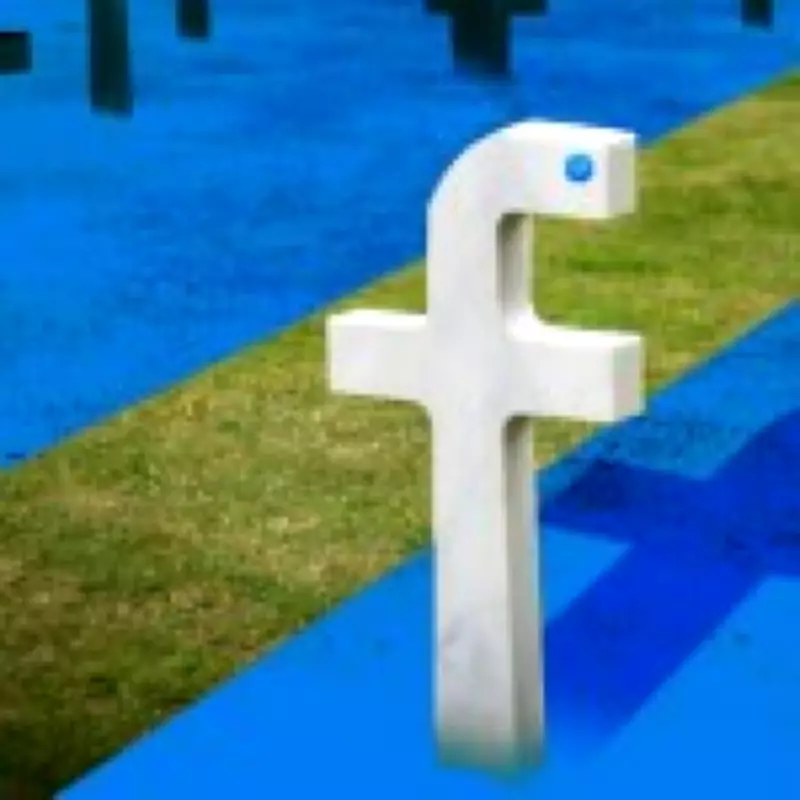
Meta's AI Patent Enables Posthumous Facebook Activity
Meta, the technology conglomerate that owns Facebook, has been granted a patent for an artificial intelligence system capable of simulating user activity on social media platforms. The patent, awarded in December 2025, outlines an AI that can generate posts, comments, and interactions based on a user's historical data, with specific applications for when a user is deceased or takes an extended break.
How the AI System Works
The patent describes the AI as a large language model, a type of neural network trained on vast amounts of text data from the internet. In this case, the training data would be sourced directly from the user's own Facebook account, including posts, comments, likes, chat messages, and even voice recordings. This allows the model to predict and generate text in a manner that mimics the user's unique communication style, using natural language processing techniques.
Notably, the technology could extend beyond text to include audio and video simulations. By cloning a person's voice using deepfake technology, the AI might enable friends and family to hear the deceased's voice during simulated calls, adding a layer of realism to the digital presence.

Patent Details and Company Stance
Meta initially filed the patent in November 2023, and it is set to expire in 2043. Andrew Bosworth, Meta's Chief Technology Officer, is listed as the primary author. However, the company has clarified that securing the patent does not guarantee the technology will be developed or deployed. A Meta spokesperson stated, 'We have no plans to move forward with this example,' indicating that the patent may be a speculative or defensive measure rather than an imminent product launch.
The Rise of 'Deathbots' and Ethical Concerns
This development is part of a broader trend toward 'deathbots' or 'AI griefbots,' which aim to digitally resurrect individuals by simulating their personalities and interactions. These systems often require users to upload voice clips, written messages, or personal anecdotes about deceased loved ones to create lifelike simulations.
Ethical experts have raised significant concerns about this technology. Dr. Tomasz Hollanek, co-author of a University of Cambridge study on deathbots, emphasized the importance of consent, stating, 'It is vital that digital afterlife services consider the rights and consent not just of those they recreate, but those who will have to interact with the simulations.'
Dr. Eva Nieto McAvoy, a digital media lecturer at King's College London, described the rise of griefbots as both fascinating and unsettling. In her research, she found that these AI systems, while lifelike, remain fundamentally artificial. One deathbot responded to her inquiry with, 'Oh hun... it (the death) is not something I'd wish for anyone to dwell on. It's all a bit foggy now, to be honest. Let's chat about something a bit cheerier, yeah?'
Dr. McAvoy also highlighted the commercial aspects, noting, 'Behind these experiences lies a business model. These are not memorial charities, they are tech start-ups. Subscription fees, 'freemium' tiers and partnerships with insurers or care providers reveal how remembrance is being turned into a product.'
Broader Implications and Future Outlook
The patent underscores growing interest in leveraging AI for posthumous digital presence, reflecting cultural beliefs about life after death. As technology advances, the line between memorialization and commercialization becomes increasingly blurred, prompting ongoing debates about privacy, ethics, and the psychological impact on the living.
While Meta has not committed to implementing this AI system, the patent itself signals potential future directions in social media and digital legacy management. Stakeholders, including users, ethicists, and regulators, will likely continue to scrutinize such developments as AI capabilities evolve.