

Slay The Spire 2 Review In Progress: More Than An Update, Less Than A Revolution
One of the most successful indie games of all time has finally received its long-awaited sequel, but the question remains: is Slay The Spire 2 worth playing in early access, or should gamers wait for the full release? For years, indie game sequels have faced a peculiar curse, struggling to match the commercial success of their predecessors regardless of quality or innovation.
The Indie Sequel Curse And How Slay The Spire 2 Breaks It
From Spelunky 2 to Rogue Legacy 2, numerous indie sequels have underperformed despite critical acclaim, creating an industry mystery. Mainstream games in similar situations typically thrive, making this trend particularly puzzling. Last year's Hollow Knight: Silksong appeared to break this pattern, and now Slay The Spire 2 has joined the ranks of successful follow-ups, achieving an impressive half million concurrent players on Steam during its early access launch.
This player count would make any online multiplayer game proud, demonstrating the enduring appeal of the franchise. While console and mobile versions are planned for eventual release, the PC early access version runs smoothly on modest hardware. Remarkably, the game feels more complete and bug-free than many early access titles, offering a fully formed experience despite its unfinished status.

From Humble Beginnings To Professional Polish
The original Slay The Spire launched in early access in 2017 before receiving its full release in 2019. While not the first deckbuilding game with roguelike elements, it became the most influential and commercially successful, selling millions of copies and inspiring both indie developers and triple-A titles like Marvel's Midnight Suns. Despite its success, the original game featured low-budget visuals that often appeared amateurish.
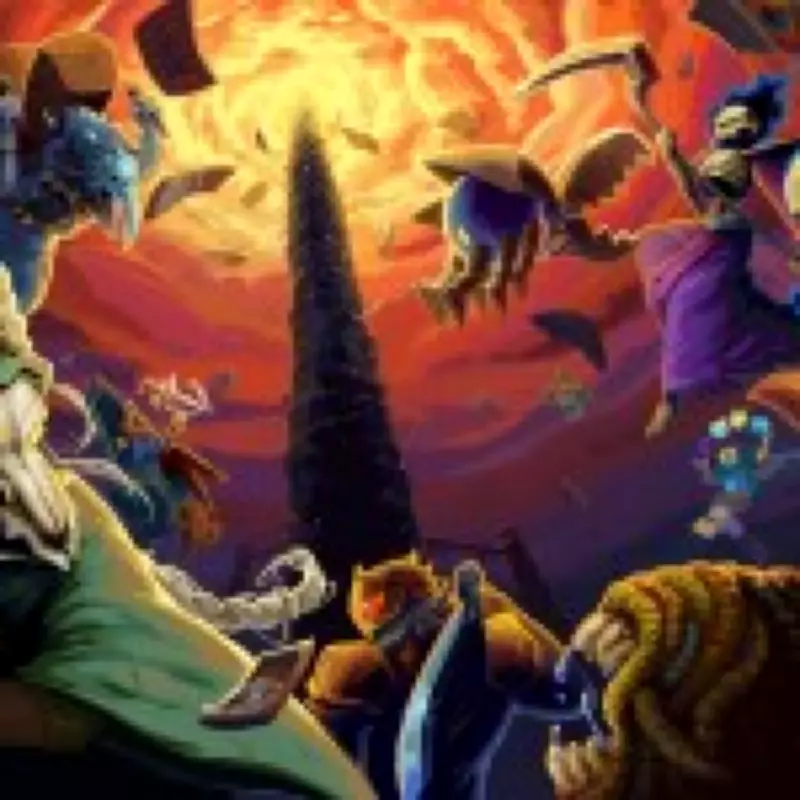
Slay The Spire 2 immediately addresses this shortcoming with significantly improved presentation. Players will notice expensive-looking animated intros and generally more professional artwork throughout the game. This visual upgrade represents the most immediately apparent change from the original, though it's not the only improvement.
Familiar Mechanics With Meaningful Refinements
What becomes clear upon playing Slay The Spire 2 is that developer Mega Crit has chosen to refine rather than revolutionize the core gameplay. The sequel follows the same basic structure as the original: players navigate through turn-based role-playing battles using cards dealt randomly from character-specific decks. Each character possesses unique decks and gameplay mechanics that influence strategy and card anticipation.
Some might find it disconcerting that the game begins with the exact same character as the original, followed by the same second unlockable character. This design choice doesn't immediately signal a brand new experience, but Mega Crit has implemented numerous meaningful improvements beyond the enhanced presentation.
Expansion Pack Mentality With Substantial Improvements
Slay The Spire 2 could easily have been released as a major DLC update or expansion pack for the original game. The developer has embraced what might be called an "expansion pack sequel" approach, focusing on refining existing systems rather than introducing radical new mechanics. Beyond the new four-player co-op mode, there are no groundbreaking features that represent a major evolutionary leap forward.
However, the game includes numerous changes and additions that collectively improve upon the original formula. Players will discover:
- Lots of new cards, characters, and enemies
- Additional potions and relics for deck customization
- More side quest-style Events spanning multiple Acts
- Quest cards that unlock rare secrets upon completion
- Enhanced abilities for both new and returning characters
Improved Balance And Player Control
The most significant gameplay improvement comes in the form of better balance and increased player agency. While the random nature of card draws remains largely unchanged, Slay The Spire 2 now provides players with more control over their cards. Important abilities allow players to retain cards after use or hold them back for subsequent turns, reducing frustration and increasing strategic depth.

These changes make it much rarer for game runs to feel doomed from the start, regardless of player decisions. The improved balance ensures that skill and strategy play a more significant role in success, though luck remains a factor as in all roguelike games.
New Characters And Enhanced Variety
Slay The Spire 2 introduces compelling new characters that expand gameplay possibilities. The Necrobinder controls a reanimated hand that serves as a protective shield, while The Regent represents a minion-sacrificing space being with star-based resources and a magical floating sword. These additions, combined with enhanced abilities for returning characters, increase gameplay variety substantially.
The game also features more structural diversity, with Events that function like side quests and can span multiple Acts. This expanded content provides additional replay value and strategic options for experienced players.
Early Access Value And Future Development
While the early access version isn't cheap at £19.99, it offers substantial content and polish for the price. The original Slay The Spire currently sells for just £4.99 on Steam, providing an affordable way for newcomers to experience the core gameplay before committing to the sequel. Though not identical games, the original offers a reasonable approximation of whether players will enjoy the sequel's refined mechanics.
Mega Crit plans to add more features before the game exits early access, though considering the original's development timeline, the full release might not arrive until 2028. For now, Slay The Spire 2 represents a clear refinement of the original formula rather than a revolutionary departure. The game's addictive qualities remain intact, capturing the magical engagement that only the best video games achieve.
Slay The Spire 2 may not sound exciting in description—a criticism that applied equally to the original—but its gameplay proves consistently engaging and strategically satisfying. For fans of the original or newcomers to deckbuilding roguelikes, this sequel offers a polished, content-rich experience that improves upon its predecessor in meaningful ways while maintaining the core appeal that made the franchise successful.





