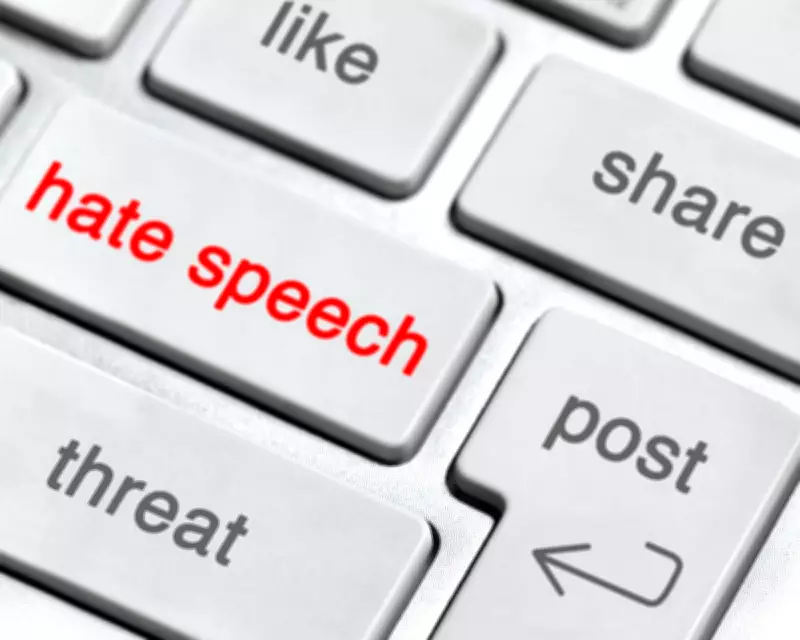
The Ethical Dilemma of Social Media: Can We Post Without Supporting Harm?
In a week where political figures rallied on X to support Keir Starmer amid scandals, the irony was stark. As the prime minister faced controversies involving Peter Mandelson and Jeffrey Epstein, MPs defended him on a platform that recently allowed sexualized images of women and girls. This highlights how X, formerly Twitter, is deeply entwined with modern politics and reflects a culture of indifference toward violations of female bodies, both online and offline. More broadly, it raises a pressing moral question for everyone: is it still possible to use social media ethically, and when should we consider logging off for good?
The Toxicity of Major Platforms
Social media has become increasingly contaminated across the board. Since Elon Musk acquired X, the site has not only hosted deepfakes of explicit content but also amplified rightwing material through its algorithms. Musk himself posted extreme views on race, such as claims about the white race "rapidly dying," throughout January. Facebook, accused of data collection and election interference, removed fact-checkers before Donald Trump's second term. Instagram, under Meta's Mark Zuckerberg, knowingly worsened body image issues among teenage girls. TikTok has faced criticism for exploiting children, exposing under-13s to self-harm content alongside viral dances.
The Guardian's recent revelation about Substack adds to this grim landscape. Once a haven for progressives fleeing rightward shifts, Substack was found profiting from Nazi newsletters, hosting writers who promote white supremacy, Holocaust denial, and antisemitism. This includes an activist who called Adolf Hitler "one of the greatest men of all time." It underscores the no-win situation users face: even alternative platforms can harbor extreme ideologies, making ethical participation seem nearly impossible.

The Pull to Keep Posting Despite Disgust
Despite the toxicity, many users feel compelled to stay active on social media. This isn't just due to dopamine-driven habits or phone addiction. Over the past 15 years, these platforms have become vital for connection, and breaking away entirely can be challenging. For marginalized groups, such as disabled individuals, online networks are crucial for socializing and accessing practical help. Similarly, it's easier to advocate logging off if you have offline alternatives, like safe LGBT+ bars or affordable social gatherings.
Social media also serves as a lifeline for oppressed communities. For example, Palestinians use Bluesky to crowdfund for food and medicine, while lawyers in Iran notify the world of protesters' imprisonments. The absurdity lies in how the same platforms that host mindless content, like Stacey Solomon's kitchen updates, also enable life-saving actions, such as tracking Israeli bombings. Users often witness both extremes simultaneously, creating a surreal digital experience.
The Normalization of Harm and Political Complicity
There's a deep irony in seeking escapism on platforms that showcase the very darkness we aim to avoid. Checking X often means encountering racism, pro-Trump posts, anti-benefit rhetoric, Islamophobia, AI images, or explicit content within seconds. This can foster a false perception that such views represent society at large, exhausting good people into feeling resistance is futile.
Politicians and public bodies argue that platforms like X and Facebook help reach electorates, especially as many older and disenfranchised people get news—and misinformation—from social media. While there's some truth to this, scandals like Mandelson's and Downing Street aides' links to sex offenders show how bad behavior becomes normalized when tacitly condoned by those in power. If Keir Starmer wants to demonstrate disdain for sexual abuse or far-right ideologies, logging off X could be a meaningful step. Public opinion of politicians is already low, and tweeting from toxic platforms is unlikely to improve it.

A Call for Personal and Collective Action
Ultimately, the desire to post innocently, such as sharing a dog photo without encountering Nazis, shouldn't be dismissed as trivial. It reflects a broader need for safer digital spaces. As social media continues to evolve, users must weigh the benefits of connection against the ethical costs of supporting harmful platforms. Walking away may be necessary, but it requires acknowledging the real-world impacts on those who rely on these networks for survival and solidarity.