

Take-Two Interactive Blocks Sandwich Shop from Using Vice City Name in Trademark Clash
In a move highlighting the fierce protection of intellectual property in the gaming industry, Take-Two Interactive, the parent company of Rockstar Games and owner of the Grand Theft Auto (GTA) franchise, has taken legal action to block a sandwich shop from calling itself Vice City Subs. The dispute centers on allegations that the shop is attempting to capitalize on the popularity of the iconic GTA series.
Trademark Application Sparks Legal Battle
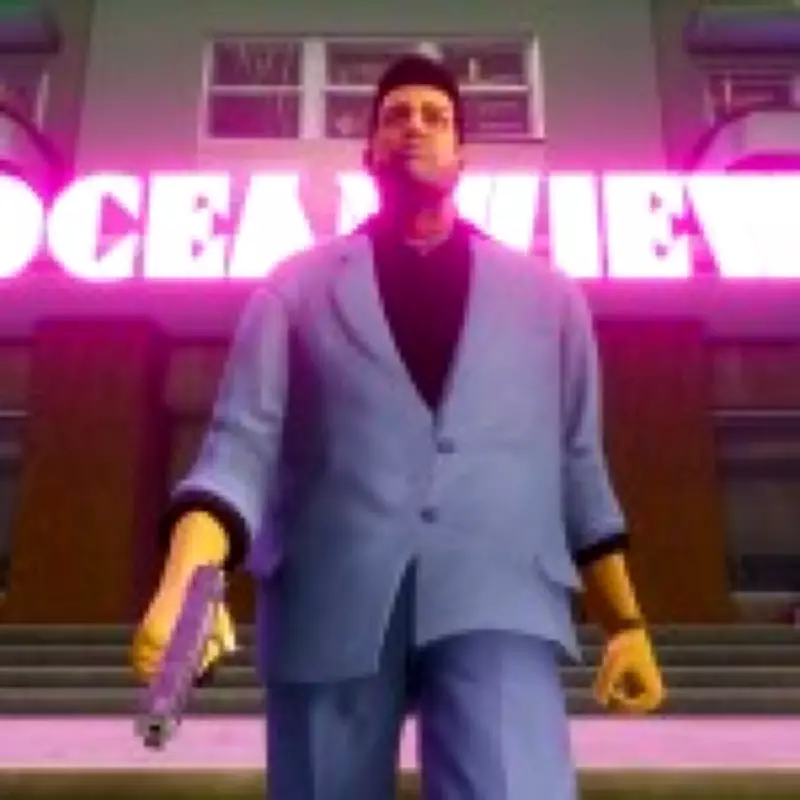
According to recent filings, DT Global Investment Holdings applied to trademark the term 'Vice City Subs' in June 2025 for a yet-to-open sandwich business. Take-Two has moved to oppose this application, citing 'priority and likelihood of confusion' and 'dilution by blurring.' The company asserts ownership of the Vice City trademark, which is a well-known location within the GTA universe, featured prominently in games like GTA: Vice City and GTA: Vice City Stories.
Take-Two's filing, as reported by Game File, argues that the sandwich shop's name is not a coincidence but a deliberate attempt to piggyback off the success of the GTA franchise. The company also alleges that the logo submitted by DT Global Investment Holdings mimics the appearance and style of the official Vice City logo, using neon pink and other colors associated with the games.

Sales Figures Revealed in Defense
In a surprising twist, Take-Two's legal documents inadvertently revealed new sales figures for Vice City Stories, showing it has sold over seven million copies. The company also referenced Vice City's sales of 17.5 million copies, a figure previously disclosed in 2008. These numbers are used to demonstrate the widespread recognition and commercial success of the Vice City branding, strengthening Take-Two's case against the sandwich shop.
Notably, the filing does not mention GTA 6, which is scheduled for release later this year and is anticipated to be one of the biggest video game launches ever. Instead, Take-Two appears more focused on protecting the association of Vice City with its existing games, particularly Vice City Stories, which has been unavailable digitally since 2017.
Broader Context of Brand Protection
This incident is not an isolated case in the entertainment and gaming sectors. Companies like Monster Energy and Nintendo have previously engaged in similar trademark disputes, with Monster challenging uses of the word 'monster' and Nintendo filing lawsuits against businesses using names like Super Mario. In some instances, such as a small supermarket in Costa Rica, courts have ruled in favor of the smaller entity, but Take-Two's aggressive stance reflects its history of safeguarding the GTA brand.
Take-Two has a track record of shutting down fan projects and taking strict measures against leaks, including recent employee terminations linked to GTA 6 information. This latest action underscores the company's commitment to maintaining control over its intellectual property, even in seemingly unrelated industries like food service.
Implications for Small Businesses
The case raises questions about the balance between trademark protection and fair use, especially for small businesses. While Take-Two argues that Vice City Subs could cause consumer confusion, critics may view this as an overreach, given the distinct nature of a sandwich shop compared to video games. The outcome could set a precedent for how gaming companies enforce their trademarks in non-gaming contexts.
As the legal process unfolds, the sandwich shop's future remains uncertain. Take-Two's efforts highlight the high stakes involved in brand management, particularly for franchises with global recognition like GTA. This dispute serves as a reminder of the complexities in intellectual property law and the lengths companies will go to protect their assets.






