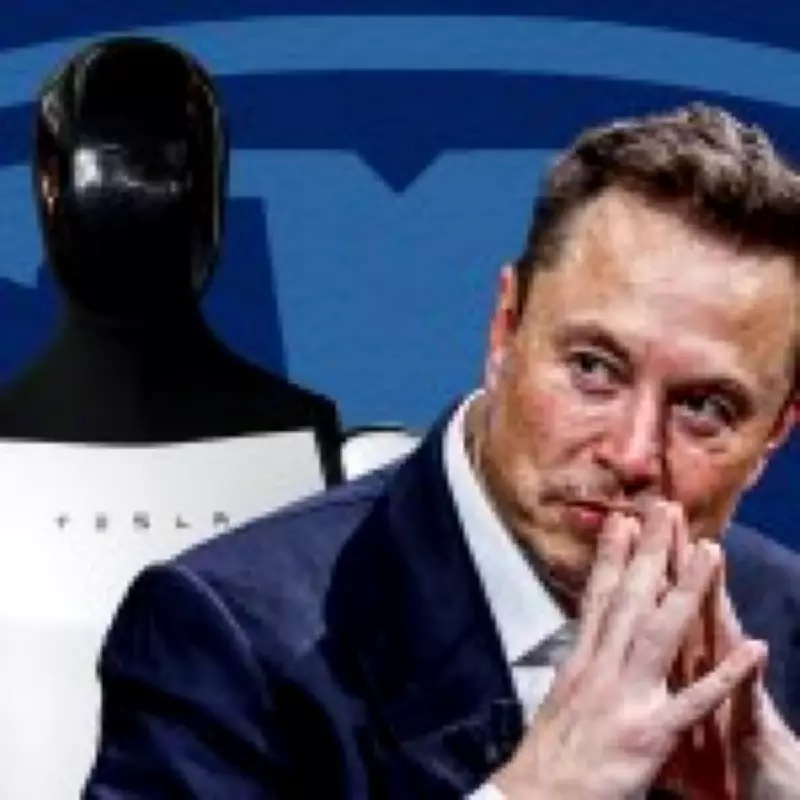
In a significant strategic shift, Tesla has announced it will cease production of two of its longest-running electric vehicle models to focus resources on manufacturing humanoid robots. The company's CEO, Elon Musk, revealed that the Model S and Model X will be phased out, with remaining inventory available until stocks are depleted.
From Electric Vehicles to Robotic Assistants
Speaking to investors, Musk framed the decision as necessary evolution, stating: 'It's time to bring the Model S and X program to an end with an honourable discharge, because we're really moving into a future that's based on autonomy.' The move represents a bold pivot toward Musk's vision of a robot-assisted future, where humanoid machines handle mundane household tasks.
The Optimus Robot: Specifications and Pricing
Tesla's Optimus robot, also known as Tesla Bot, stands at 5 feet 8 inches tall and weighs approximately 125 pounds. Designed as a general-purpose assistant, it can carry up to 45 pounds with its hands. Musk confirmed at Davos last week that consumers should be able to purchase their own Optimus units by late 2027, with estimated prices ranging from $20,000 to $30,000 (£14,400 to £21,700).

The development of Optimus Generation 3 is currently underway, building upon the platform first introduced in 2022. While primarily intended for domestic chores, Musk has even grander ambitions for the technology, having previously announced plans to send an Optimus robot to Mars aboard a SpaceX rocket in 2026.
Production Line Transformation
To facilitate this transition, Tesla will reportedly convert its Fremont, California manufacturing plant into a dedicated Optimus factory. This repurposing of automotive production infrastructure underscores the company's commitment to establishing humanoid robotics as a core business segment alongside its electric vehicle operations.
The Broader Robotics Landscape
Tesla is not alone in pursuing humanoid robotics for consumer applications. Other companies like Neo offer similar products, with their humanoid robot priced around £15,000. However, initial Neo models will require remote human operation via VR headsets rather than functioning autonomously.
In the United Kingdom, robotic technology has already found practical applications, from driverless subway trains to delivery robots. In Milton Keynes, Co-op's Starship robots have been delivering groceries since 2018, demonstrating growing public acceptance of automated systems.
As Tesla redirects its manufacturing capabilities from established electric vehicles toward futuristic humanoid assistants, the company is betting heavily on consumer willingness to invest in high-priced domestic robotics. With celebrity endorsements already emerging – including Kim Kardashian's social media posts interacting with the Tesla Bot – the stage is set for robotics to transition from industrial applications to mainstream consumer products.