

Oil and Gas Prices Surge as Middle East War Sparks Market Turmoil
Oil and gas prices have experienced dramatic increases as financial markets react to the outbreak of war in the Middle East between the United States and Iran. The conflict has triggered significant market volatility, with analysts warning that the duration of disruption will determine the ultimate economic impact on the global economy.
Energy Markets React Sharply to Conflict
Brent crude oil surged by as much as 13% to reach $82 per barrel at the opening of Asian trading, before settling around the $79 mark. This substantial increase occurred despite confirmed reports that aerial attacks by Iran had damaged state-owned infrastructure in two major oil and gas-producing nations, directly impacting production capabilities.
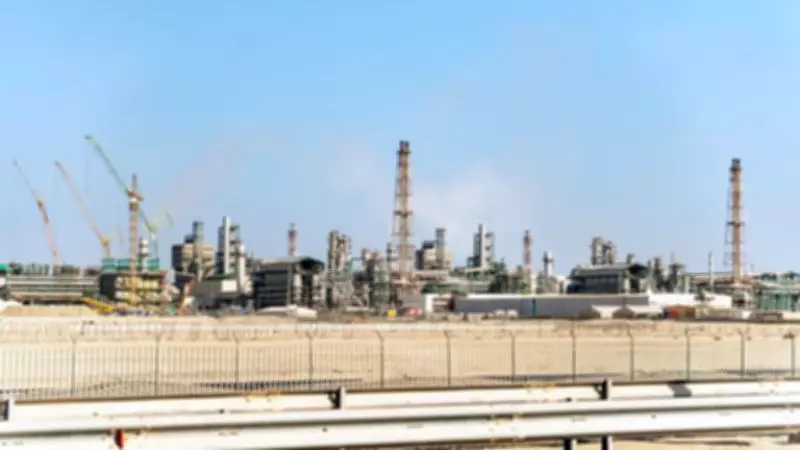
The world's largest oil refinery in Saudi Arabia was forced to shut down after sustaining significant damage from the attacks. Meanwhile, Qatar's state-owned energy firm suspended all liquified natural gas production, creating immediate supply concerns given that Qatar accounts for approximately 20% of global LNG supply.

UK Gas Contracts Experience Dramatic Spikes
In the United Kingdom, contracts for day-ahead natural gas delivery surged more than 30% during Monday afternoon trading, while April delivery contracts spiked by over 50%. These dramatic increases reflect immediate market concerns about supply disruptions and potential long-term impacts on energy availability.
Market analysts emphasize that sustained elevated prices over multiple weeks would be necessary to significantly impact household energy bills. For consumers protected by the price cap, no immediate increases can occur until July, as the April to June cap level has already been established.
Stock Market Performance Shows Sector Divergence
Global stock markets experienced widespread declines, though certain sectors demonstrated resilience. The FTSE 100 in London fell by 1.2% to close at 10,780, while major European indices saw even larger declines, with Germany's DAX and France's CAC 40 both dropping more than 2%.
Defence-focused stocks recorded the most substantial gains, with BAE Systems rising 6% as geopolitical tensions increased demand expectations. Energy companies also performed relatively well, benefiting from higher wholesale prices, though concerns about prolonged supply disruptions limited gains later in the trading session.
Transport and Financial Sectors Suffer Most
Financial and travel-related shares experienced the most significant declines, reflecting investor concerns about economic stability and reduced consumer activity. International Airlines Group, the parent company of British Airways, fell 5.5% to become the biggest loser on the FTSE 100.
In contrast, the United States market showed relative stability, with the broad S&P 500 index declining just 0.2%. Analysts noted that markets were generally reflecting a flight from risk, though precious metal miners benefited from a 2% increase in gold prices as investors sought traditional safe-haven assets.
Strait of Hormuz Closure Creates Critical Uncertainty
John Wyn Evans, head of market analysis at investment manager Rathbones, emphasized that the situation hinges critically on the Strait of Hormuz. This vital shipping lane off the Iranian coast, which normally handles hundreds of vessels daily, has become largely empty as ships remain anchored for safety following the withdrawal of insurance policies.
"The longer it is closed, the worse the effects," Evans stated regarding the strategic waterway. "For now, inventories and limited rerouting options provide some buffer, but the situation remains finely balanced."
Petrol prices face additional pressure, with the RAC warning that average unleaded costs could increase by a further 2p per litre at current wholesale levels, following an already anticipated 1p rise this week due to earlier market shifts. However, analysts caution that sustained elevated prices over many weeks would be necessary to crystallize this prospect fully.






