

Sterling Soars to Four-Year Peak as Dollar Faces Intense Selling Pressure
On Tuesday, the British pound surged to its highest level against the US dollar in four years, marking a significant milestone in currency markets as selling pressure on the greenback intensified dramatically. The pound was trading at $1.376, a peak not seen since 2021, while the euro also climbed to multi-year highs during the afternoon session, continuing a notably poor run for the dollar.
Dollar Index Declines Amid Geopolitical and Domestic Concerns
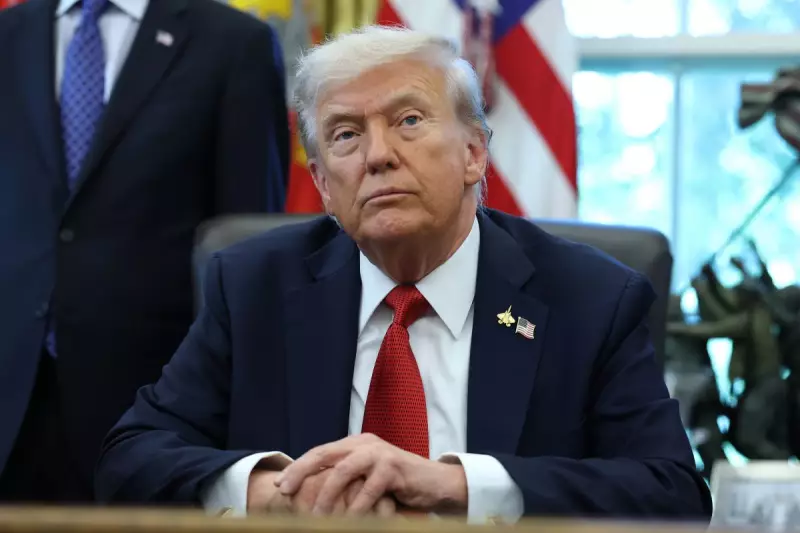
In January alone, the dollar index, which measures the greenback against a basket of other global currencies, has lost two per cent, representing a substantial fall. Investors have grown increasingly concerned by the risks posed by former President Donald Trump, including potential threats to the independence of the US Federal Reserve, his erratic domestic policies, and the broader geopolitical consequences of his remarks, such as threats to invade Greenland.
Lefteris Farmakis, senior FX strategist at Barclays, commented, "The upending of the post-World War II order is a long-term negative for the dollar." This sentiment underscores the growing unease in financial circles about the stability of the US currency under current political conditions.

Focus Shifts to Federal Reserve and Jerome Powell
Attention now turns to the Federal Reserve's next interest rate decision, scheduled for Wednesday. Although markets widely expect rates to be left on hold, Jerome Powell's press conference is set to dominate investor focus. This will be the first rate decision since the Department of Justice opened a criminal indictment against the Fed chair, adding a layer of uncertainty to the proceedings.
UK Shop Price Inflation Adds Support to Sterling
Sterling received additional support from fresh data released on Tuesday morning, which revealed that shop price inflation in the UK rose to its highest level in nearly two years in January. According to industry data, prices across all goods in shops increased by 1.5 per cent in January compared with the same month last year, up from a 0.7 per cent rise in December.
This uptick suggests that inflation in the UK might continue to pose a persistent problem for policymakers, potentially slowing the anticipated pace of interest rate cuts. The prospect of higher interest rates tends to attract international investors, thereby pushing up the value of the currency. Traders currently do not expect the Bank of England to resume cutting rates until July, with only one further cut anticipated in 2026.
Analysts Express Caution Over Sterling's Future Gains
Despite the recent surge, some analysts have expressed doubts about whether sterling can sustain much more progress against the dollar in the coming months. Chris Turner, a foreign exchange analyst at ING, noted, "UK politics may well take its toll on sterling again over the coming months."
He highlighted the upcoming UK by-election on 26 February as a critical date, suggesting that if Labour loses its seat to Reform, more pressure will be heaped on Prime Minister Keir Starmer. This could fuel speculation about a potential change in leadership following the local election results in May, adding to the political uncertainty that may impact currency markets.






