

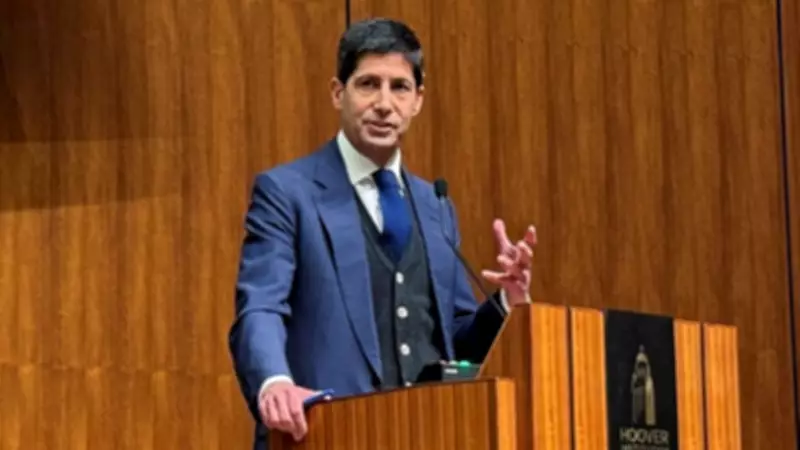
In a significant announcement that has captured global financial attention, former President Donald Trump has revealed his choice for the next chair of the Federal Reserve. Trump has nominated Kevin Warsh, a former member of the Fed's board of governors, declaring him potentially "the best" ever for the role.
Market Reaction to the Nomination
The nomination follows months of intense speculation about whether Trump would select a candidate who might aggressively push for interest rate cuts. Financial markets had been closely monitoring the situation, with overnight rumours contributing to a strengthening of the dollar and downward movements in dollar-priced commodities like gold and oil.
However, the market response to Warsh's nomination suggests investors view him as less likely to champion the dramatic rate cuts some had feared. This perception has helped alleviate certain concerns about potential erosion of Federal Reserve independence under Trump's administration.

Warsh's Policy Positions and Background
While Kevin Warsh is widely recognised as supportive of interest rate reductions that could stimulate economic growth, his policy positions present a more balanced approach than some anticipated. The former Fed governor has publicly advocated for shrinking the Federal Reserve's balance sheet, a policy typically associated with higher interest rates.
Additionally, Warsh has expressed views favouring the loosening of post-financial crisis banking regulations. His academic alignment with the administration on balance sheet reduction, combined with his experience as a former Fed insider, creates a complex policy profile that markets are still evaluating.
Political Context and Confirmation Process
The nomination comes at a crucial time, with the current Fed chair due to complete two terms in May. Trump previously appointed the incumbent during his first presidency but has since frequently criticised the Fed's leadership and threatened dismissals.
The political landscape surrounding this nomination is particularly charged, with the current Fed chair facing a Department of Justice investigation into renovation costs. This inquiry has been dismissed as politically motivated, part of broader efforts to influence the Fed's rate-setting decisions.
Both Democratic and Republican members of the Senate's influential banking committee have expressed support for the current chair, creating a complex confirmation environment for Warsh's nomination. The same committee will now determine whether to approve Trump's selection.
Global Implications and Economic Significance
The appointment carries substantial global importance, given the Federal Reserve's crucial role in balancing the world's largest economy. In an era marked by significant economic uncertainty, much of which originates from the United States itself, the Fed chair position represents one of the most influential economic roles worldwide.
Currency strategist Nick Kennedy of Lloyds Banking Group commented on the nomination, noting that while Warsh was his preferred candidate, the appointment process had appeared uncertain. Kennedy observed that Warsh's track record leans toward the hawkish side regarding interest rate policy, suggesting initial market optimism about dollar strength might prove temporary.
The strategist emphasised that any Fed chair nominee would need policy alignment with the administration, particularly regarding interest rates, to successfully assume the position. This dynamic creates ongoing uncertainty about how Warsh might balance his established policy views with administration priorities if confirmed.
As financial markets continue to digest this development, US stocks showed signs of opening slightly lower while European markets gained ground. The dollar's initial strengthening following the announcement showed signs of fading as analysts assessed the longer-term implications of Warsh's potential leadership at the Federal Reserve.






