The European Parliament has taken the dramatic step of formally suspending the ratification process for its trade deal with the United States. This decisive action comes as a direct protest against former President Donald Trump's recent threat to impose 10% tariffs on European Union exports. Trump's ultimatum is conditional upon the EU agreeing to his proposal to take over Greenland.
A Strong Response to 'Blackmail'
This suspension represents the most significant material response from the EU to what several European leaders have openly labelled as blackmail. The move halts progress on a deal that promised American exporters a new era of 0% tariffs on a wide range of industrial goods entering the European market.
Bernd Lange, the influential chair of the European Parliament's international trade committee, was unequivocal in his statement. He declared that until the threats concerning Greenland are completely withdrawn, there will be no possibility for compromise on ratifying the US agreement. Lange did clarify that the EU's separate commitment to purchase $750 billion worth of American energy would remain unaffected by this decision.

Emergency Summit and Retaliatory Plans
In a clear sign of deteriorating transatlantic relations, European Commission President Ursula von der Leyen cut short her schedule. After addressing the Parliament, she returned directly to Brussels instead of proceeding to Davos for a planned meeting with Trump. Her urgent return was to prepare for an emergency summit scheduled for Thursday evening in Brussels.
The summit aims to discuss the full range of options available to the EU should the US president follow through on his tariff threat. Among the potential retaliatory measures under consideration is the imposition of €93 billion worth of tariffs on US exports to the European Union.
More significantly, the bloc is prepared to activate its never-before-used Anti-Coercion Instrument. This powerful mechanism, often described as the nuclear deterrent of trade sanctions, was originally conceived to counter coercion from nations like China. If deployed, it would grant the EU the authority to restrict US businesses from accessing its vast single market.
Potential Targets and Consumer Impact
In theory, the EU could target a broad spectrum of American industries. Potential sectors for sanctions range from major US technology and cryptocurrency firms to established aircraft manufacturers and agricultural producers. However, European officials are acutely aware that such measures could provoke a backlash from consumers, who might balk at extra costs or restrictions on popular US companies and services, such as Apple or Netflix.
Despite the hardening stance, the EU continues to pursue diplomatic channels in an effort to avert a full-blown trade war. Lange acknowledged the volatile situation, noting that a lot could change before Trump's tariff deadline of 2 February. He remarked on the unpredictable nature of the situation, stating, "There are always day-by-day surprises coming from the White House."
Setback for EU's Trade Diversification Strategy
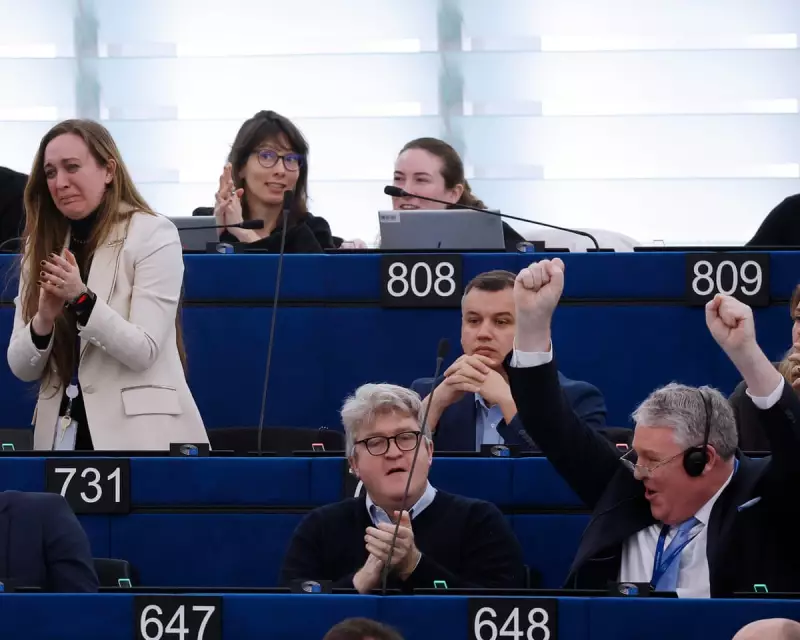
While a trade conflict with the United States would be profoundly damaging, the EU's parallel strategy to diversify its trade partnerships suffered a separate, serious blow. In a closely contested vote, Members of the European Parliament (MEPs) voted by a narrow majority of just ten to refer the long-negotiated Mercosur trade deal with Latin American countries to the European Court of Justice.
This decision was met with widespread condemnation. Bernd Lange expressed his disappointment, while the European Commission labelled the move as "regrettable." German Chancellor Friedrich Merz echoed this sentiment, and the decision was denounced by German automotive manufacturers who stood to benefit from the agreement.
Although the European Commission retains the power to implement the Mercosur agreement on a provisional basis—a tactic used previously with the post-Brexit UK trade deal—Lange issued a stark warning. He cautioned that if the Commission chose to proceed unilaterally, it would risk plunging the European Union into a "huge institutional conflict," pitting the Parliament against the executive body.