Globalisation Obituaries 'Hopelessly Premature' Says Former BoE Economist
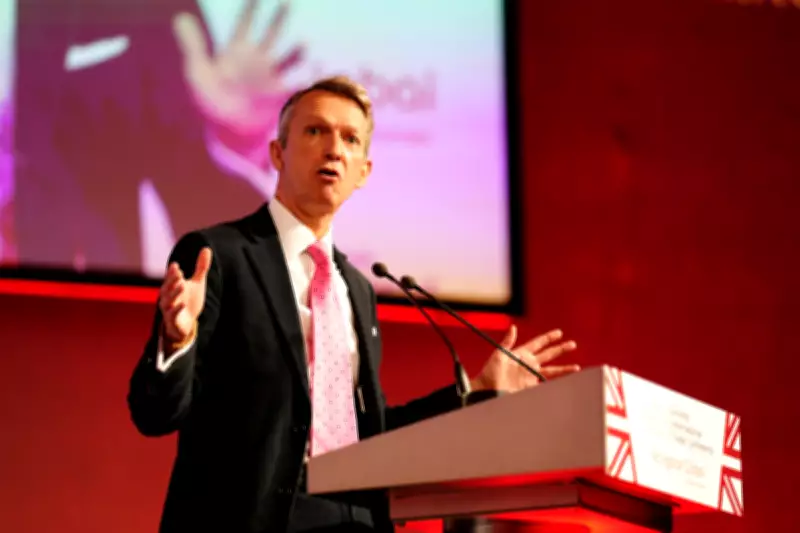
In his inaugural address as president of the British Chambers of Commerce, Andy Haldane, the former chief economist of the Bank of England, delivered a robust defense of globalisation. He asserted that despite a barrage of supply chain fractures and geopolitical shocks, enhancing international trade remains the single most effective strategy for improving the United Kingdom's long-term economic fortunes.
A Premature Eulogy for Global Trade
Haldane addressed delegates, noting that many are "queuing up" to declare the death of globalisation. He countered this sentiment forcefully, stating, "Those that write obituaries for globalisation are being hopelessly premature." He characterized the current disruptions in the global order as a rupture to the "achilles not the aorta"—painful but not necessarily fatal if policy responses are correctly managed.
"There is not a policy tool on the planet that delivers such a large harvest," Haldane emphasized, arguing that increasing trade volumes would act as a "rocket booster" for living standards and help alleviate cost-of-living pressures.

Geopolitical Shocks and the Protectionist Wave
The speech comes amid a succession of macroeconomic shocks that have fueled speculation about a reversal of the globalisation era that dominated international affairs for over five decades. The aftermath of the coronavirus pandemic and Russia's invasion of Ukraine has prompted many governments to re-evaluate their dependence on international supply chains.
This has led to a spate of protectionist measures aimed at prioritizing domestic markets:
- Former US President Donald Trump's upheaval of the global trade system, including tariffs later deemed illegal by the US Supreme Court.
- The European Commission's proposal for a 'Buy EU' directive to bolster regional manufacturing.
- Both the EU and the UK implementing 50 percent tariffs on steel imports and reducing quotas for discounted trade duties to protect domestic industries.
Iran Conflict Amplifies Economic Concerns
Fears over economic exposure to international events have intensified with the onset of US and Israeli strikes on Iran. This latest geopolitical shock has reignited concerns about higher energy prices and interest rates, sparking calls for the UK to pursue greater economic independence. There is growing pressure on the government to lift the ban on new North Sea oil drilling as a response.
Industry Echoes Call for Trade Resilience
Haldane's remarks were echoed by Shevaun Haviland, director general of the British Chambers of Commerce. Despite the "challenging" international landscape, Haviland affirmed there is "absolutely hope in trade." She urged the government to maintain "calm heads" and continue dialogue with businesses.
"With energy bills rising and no cap for businesses, ministers need to keep every option on the table if we want the UK to stay competitive, to stay resilient and to stay open for business," Haviland stated. "Government and business must navigate this storm together."
Haldane, who served on the Bank of England's Monetary Policy Committee for seven years until 2021, concluded that no alternative policy could match the economic benefits of embracing global trade, even in an era marked by significant disruptions and shifting geopolitical alliances.