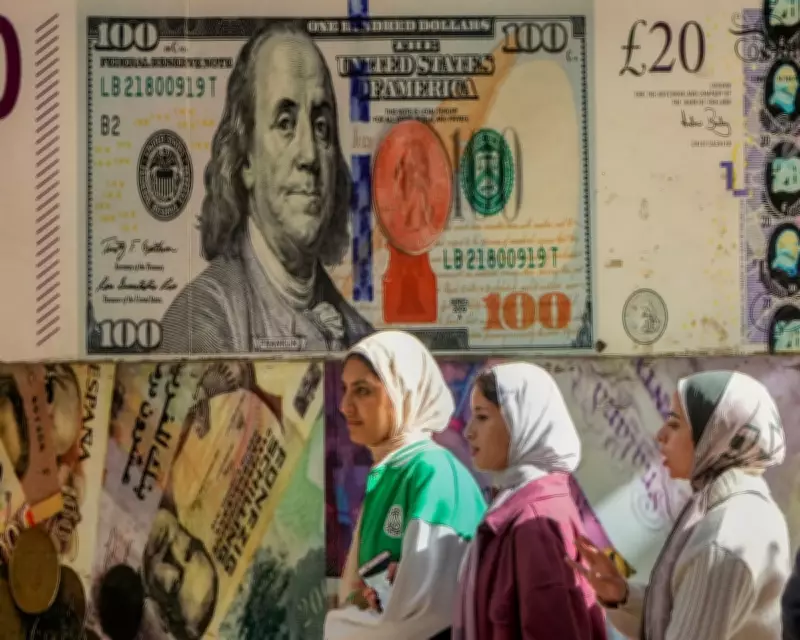
Trump's Aggressive Foreign Policy Fuels Global Currency Shift
Donald Trump's recent military strikes on Iran, dubbed Operation Epic Fury, have unleashed fresh instability across the Middle East and reinforced perceptions of the United States operating with little regard for international law or global norms. This aggressive stance, coupled with Trump's erratic tariff policies and actions against Venezuela, is accelerating a historic but incremental shift away from the global dominance of the US dollar, moving towards a more complex, multipolar currency system that may be less favourable to Washington.
Declining Dollar Value and Central Bank Reserves
The trade-weighted dollar has lost 7% of its value over the past year, despite strong US economic growth and soaring Wall Street stock prices. This decline reflects not only inflation and interest rate outlooks but also a growing sense that US policy frameworks are becoming less solid and predictable. In foreign currency reserves, global central banks have been quietly reducing their dollar holdings, with the share slipping from 71% in 2001 to 57% by the final quarter of last year, as they seek alternatives to mitigate risks.
Weaponised Interdependence and Technological Drivers
The increasing use of economic sanctions as a geopolitical weapon, including freezing assets and cutting access to the Swift payment system, has highlighted the risks of what scholars term "weaponised interdependence." This has spurred a clamour for alternatives to the greenback. Technological advancements are also facilitating de-dollarisation by making settlement and exchange infrastructure cheaper and faster, enabling new financial structures like the European Central Bank's enhanced repo arrangements to support the euro in crises.

Global Initiatives and Future Implications
Countries like China and Europe are investing in digital currencies and financial linkages to protect themselves, while Brics nations are discussing ways to bypass the US, such as establishing swap lines and making central bank digital currencies interchangeable. For the US, diminishing dollar dominance could prove costly, with research indicating a decline in the "convenience yield" of US Treasuries due to high deficits and waning trust. As global governments quietly build alternatives, the heavily indebted US may face challenging economic consequences in the coming years.