UK Food Security at Risk as Self-Sufficiency Plummets, Experts Warn
In response to George Monbiot's analysis of the global food system's fragility amid the Iran war, Richard Harvey and Joy Webb have penned letters urging immediate action to bolster Britain's food security. Harvey points to a stark decline in UK food self-sufficiency, which has dropped from 78% in 1984 to just 62% in 2024, largely due to farmland loss for non-agricultural uses like buildings, roads, and solar farms.
The Critical Role of Grassland Farming
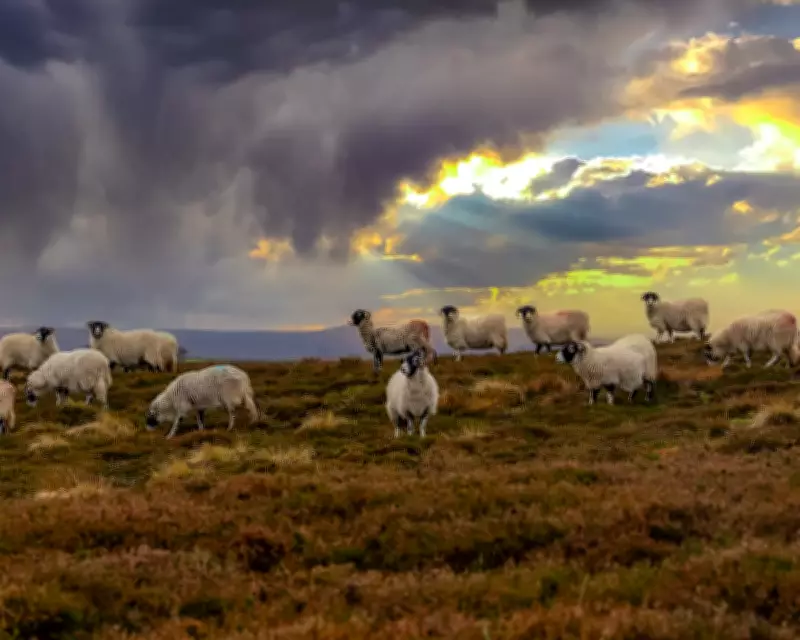
Harvey emphasizes that while promoting plant-based diets is important for health and the environment, it is a misconception that such diets always use less land than livestock farming. He notes that beef cattle and sheep are raised extensively on improved and semi-natural grassland, as well as mountain heath and bog, which constitutes 38% of the UK's land area.
This land receives minimal fertiliser and no chemicals, with animals fed primarily on grazed and conserved grass. Harvey argues that very little of this terrain could be repurposed for other crops, making it a vital food production resource with limited commercial alternatives. He stresses that wasting this asset could further jeopardize national food supplies, especially if imports become unreliable.

Individual Actions to Enhance Food Resilience
Joy Webb shares Monbiot's concerns but offers a more hopeful perspective, advocating for personal responsibility in shopping and cooking. She advises consumers to ensure their food ticks at least one of these boxes: local, organic, animal-friendly, or fairtrade.
- Grow what you can, even in small gardens, to boost self-sufficiency.
- Use seasonal products and support local ventures to strengthen community resilience.
- Opt for organic foods to avoid synthetic fertilisers and improve health.
- Choose fairtrade products to aid small producers affected by global conflicts.
- Cook meals from scratch rather than relying on readymade options to reduce waste and dependency.
Both experts underscore the urgency of planning for scenarios where imported food may not be readily available, calling for a balanced approach that leverages UK farmland effectively while encouraging sustainable consumer habits.