The Barbican Centre's Monumental £231 Million Renewal Project
When Queen Elizabeth II inaugurated the Barbican Centre in 1982, she hailed it as 'one of the wonders of the modern world'. Now, 44 years later, this brutalist architectural icon is poised to become even more remarkable. The City of London Corporation has formally approved a comprehensive planning application for upgrades totaling a staggering £231 million, marking a significant milestone for one of London's most cherished cultural institutions.
Official Approval for an Era-Defining Transformation
Architecture enthusiasts have been anticipating these developments since initial plans surfaced in 2024, with detailed proposals emerging throughout 2025. The project gained momentum with render releases last May and confirmation in December that the extensive renovations would necessitate a year-long closure. The City Corporation's Planning and Design department collaborated closely with the Barbican Renewal Team and design leaders Allies and Morrison, a respected London-based architectural practice. The resulting blueprint has been characterized as 'sensitive, conservation-led, yet future facing' by the City of London Corporation.
Remarkably, the proposed changes garnered overwhelming public support, with 90 percent of respondents endorsing the plans last year. It's important to note that the renovation will not expand the venue's physical footprint but will focus entirely on enhancing existing spaces and infrastructure.

Comprehensive Accessibility Improvements and Conservation
The transformation will address several critical areas of the Barbican Centre:
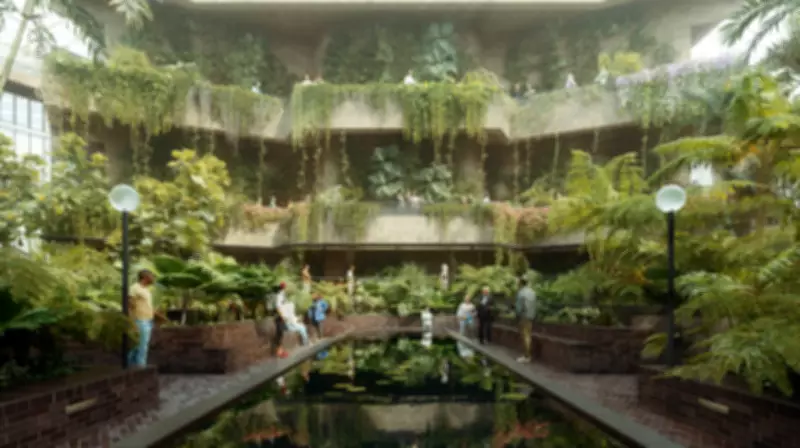
- Conservatory Enhancements: The beloved Conservatory, famous for its lush greenery, will receive significant upgrades to resolve long-standing maintenance challenges and improve accessibility. New installations will include a lift providing step-free access to the fly tower for the first time, alongside stairs leading to the Conservatory's raised balconies that offer breathtaking views of the botanical displays below.
- Climate-Controlled Habitat: A specially designed climate-controlled environment will be implemented to better protect the Conservatory's diverse plant collection, ensuring their preservation for future generations.
- Venue-Wide Accessibility: Enhanced accessibility features will be introduced throughout the Concert Hall, Theatre, and surrounding spaces, representing what the City of London Corporation describes as 'a major step forward in ensuring the venue is more inclusive and accessible for all visitors'.
- Improved Navigation: A new wayfinding system announced last November will help visitors navigate the Barbican's famously labyrinthine layout more easily.
Sustainable Redevelopment and Inclusive Features
The Grade II-listed building's foyers and lakeside terrace will undergo redevelopment to secure their structural future, with sustainable conservation practices including repurposing Conservatory glass and pavers. The renewal initiative aligns with preparations for the Barbican Centre's 50th anniversary in 2032, emphasizing inclusivity through additions like a new multi-faith prayer room.
Funding for the £231 million project will primarily come from the City Corporation, which is contributing £191 million, with the remaining £40 million to be secured through strategic partnerships and philanthropic support.
Significant Closure Period and Economic Impact
The ambitious renovation comes with substantial operational implications. Following the commencement of major work in 2027, the Barbican Centre will close completely for one year from June 2028 through summer 2029. During this period, the cinemas on Beech Street will remain operational, and the Barbican will continue collaborations with prestigious partners including the London Symphony Orchestra and Royal Shakespeare Company.

City of London Corporation Policy Chairman Chris Hayward emphasized the project's broader significance: 'This decision marks a major step forward for the Barbican Centre and its place on the world stage. By backing it with significant investment, we're driving jobs, boosting the City's economy, and strengthening its reputation as a magnet for visitors, talent, and audiences from across the globe. Just as importantly, we're transforming the Centre so it's open, accessible and ready for the future.'
The Barbican Centre's transformation represents one of London's most substantial cultural infrastructure investments in recent years, promising to preserve architectural heritage while creating a more welcoming and functional space for diverse audiences.