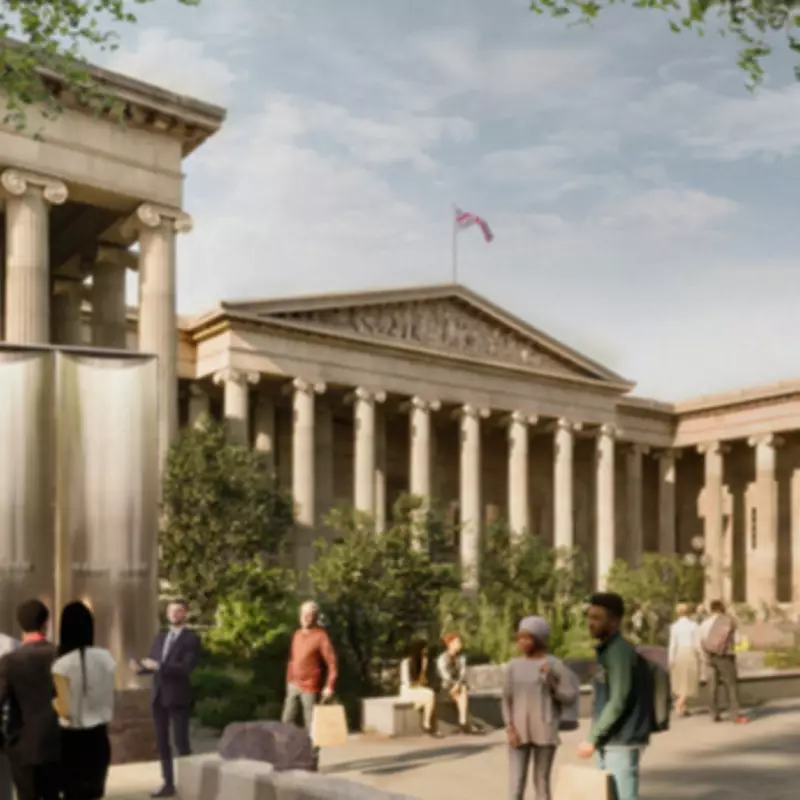
Controversial proposals to replace the British Museum's temporary security marquees with new high-tech entry pavilions have ignited a significant debate over heritage preservation versus modern operational needs. The museum's plan, which also includes transforming its front courtyards into a Mediterranean-style garden, aims to enhance visitor experience but has drawn sharp criticism from architectural conservation societies.
Heritage Groups Voice Strong Objections
The Georgian Group, a prominent conservation society, has formally urged Camden Council's planning authority to reject the museum's application. They argue that installing two temporary pavilions on one side of the "monumental" Grade I listed building would severely compromise its architectural symmetry and undermine Sir Robert Smirke's original Greek Revival vision. The society contends these structures would cause "an unacceptable level of harm" to what they describe as an internationally important site.
Architectural Integrity at Stake
First opened in 1759, the British Museum stands as one of Britain's most celebrated examples of Greek Revival architecture. Its iconic colonnade features 44 columns directly inspired by ancient Ionian ruins from Athens and Priene. Conservationists fear that the proposed pavilions, described by the Victorian Society as resembling "a shop and wine bar," would disrupt the building's "powerful and carefully composed" aesthetic elements that have defined its character for centuries.

Museum's Operational Justification
The British Museum Trust maintains that the changes are necessary to address significant operational challenges. They argue that replacing the current "depressing" white tents with two purpose-built security pavilions will "drastically" reduce visitor waiting times while implementing state-of-the-art scanning technology that eliminates the need for guests to empty their bags. The trust also plans to reopen historic gates to prevent entrance congestion.
Temporary Measures with Long-term Implications
While acknowledging the proposals would cause "a low degree of less than substantial harm," museum officials emphasize these are temporary installations expected to remain for approximately a decade. This interim solution forms part of a broader £1 billion masterplan for comprehensive museum redevelopment. However, The Georgian Group counters that temporary status doesn't negate the legal duty to protect the historic building from any harmful alterations, regardless of duration.
Broader Context and Visitor Impact
The security tents first installed a decade ago have long been criticized for their visual impact on the museum's prestigious setting. With over 6 million annual visitors making it Britain's most visited attraction in 2024, the museum faces constant pressure to balance security requirements with aesthetic considerations. The current controversy follows previous backlash in 2023 when the trust accepted £50 million in funding from oil and gas firm BP for its masterplan.
Camden Council's planning committee is expected to consider the proposals in February, with the decision likely to set important precedents for how Britain's most cherished cultural institutions reconcile modern operational demands with heritage preservation responsibilities.