Bamboo Building Revolution: Engineers Call for Architects to Get 'Bamboo-Ready'
For decades, bamboo has been synonymous with the diet of giant pandas, but a groundbreaking new initiative is positioning this fast-growing plant as a serious contender in the world of construction materials. This week, the Institution of Structural Engineers has issued a clarion call to architects worldwide, urging them to become 'bamboo-ready' as they unveil a comprehensive manual for designing permanent structures using this versatile material.
Pioneering Projects Showcase Bamboo's Potential
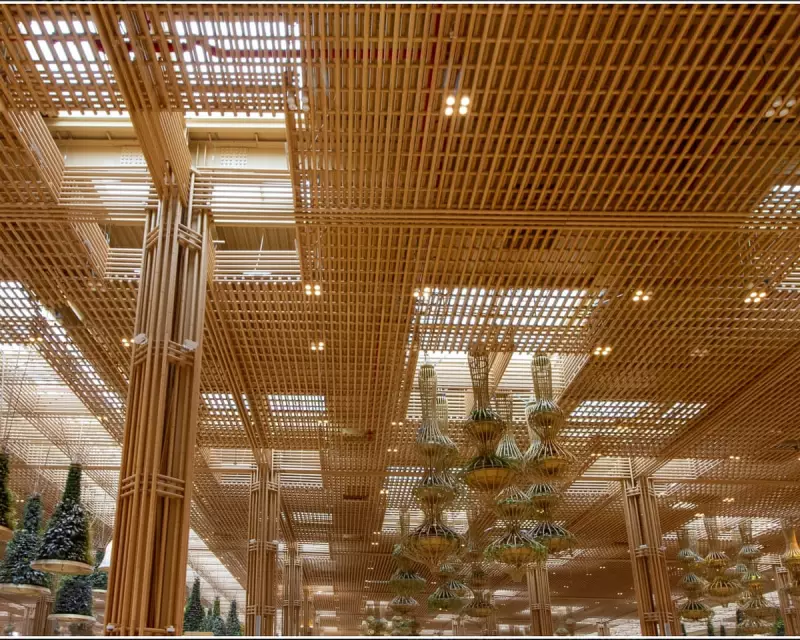
The push for bamboo comes as the construction industry faces mounting pressure to reduce its environmental footprint. Remarkable projects across the globe are already demonstrating bamboo's capabilities. At Terminal 2 of Kempegowda International Airport in Bengaluru, India, elegant bamboo tubes form both the ceiling and supporting pillars, creating a striking visual statement while serving practical structural purposes.
In north-east China, the Ninghai bamboo tower stands as a testament to bamboo's strength, reaching over 20 metres high and claiming the title of the world's first engineered bamboo high-rise building. Meanwhile, at the Green School in Bali, Indonesia, a magnificent bamboo arc serves as the gymnasium, showcasing how this material can create both functional spaces and architectural masterpieces.

Addressing the Construction Industry's Carbon Challenge
The timing of this initiative couldn't be more critical. In 2022, the construction sector accounted for a staggering one-third of global carbon emissions, with more than half of that footprint resulting from cement and cementitious materials. As urbanisation accelerates worldwide, creating unprecedented demand for housing and infrastructure, the industry faces the dual challenge of meeting development needs while pursuing net zero targets.
Neil Thomas, director of UK-based structural engineering firm Atelier One, which contributed to the Green School project, emphasises bamboo's versatility: "Everything you can do with timber, you can do with bamboo." This statement underscores the material's potential to transform sustainable building practices across multiple applications.
Bamboo's Environmental and Practical Advantages
Bamboo offers several compelling advantages that make it an attractive alternative to traditional building materials. Its growth cycle is remarkably fast, typically reaching maturity in just three to six years compared to timber's decades-long cultivation period. Certain larger bamboo varieties prove particularly suitable for construction purposes, offering both strength and flexibility.
The material has demonstrated impressive resilience in challenging environments. Composite bamboo shear walls have proven effective against earthquakes and extreme weather conditions in countries like Colombia and the Philippines, where communities have built sustainable, disaster-resilient housing using locally sourced bamboo.
Overcoming Historical Barriers to Adoption
Despite bamboo's long historical pedigree in construction, the new manual identifies significant knowledge gaps that have limited its widespread adoption. David Trujillo, lead author of the manual and assistant professor in humanitarian engineering at the University of Warwick, notes that colonial influences on technical education have contributed to these barriers.
"I hope this manual will empower engineers to use their local resources," Trujillo explains, highlighting how bamboo's availability in tropical and subtropical regions makes it an accessible material for many communities. Interestingly, climate changes in Mediterranean regions have enabled larger bamboo varieties to be cultivated in countries like Portugal, potentially opening new opportunities for European construction projects.
The Future of Sustainable Construction
While bamboo may not be suitable for buildings exceeding two storeys, its benefits extend beyond structural applications. Trujillo points out that bamboo-constructed buildings act as carbon stores, while bamboo cultivation can help rehabilitate soil degraded by monoculture farming practices. The crop requires minimal pesticides or fertilisers, further reducing its environmental impact.

"The idea that we can move people away from using carbon-intensive materials and towards low-carbon materials or, better still, carbon-fixing materials seems like a very wise way of minimising the emissions from urbanisation," Trujillo asserts. He hopes the manual will encourage educational institutions worldwide to incorporate bamboo construction into their curricula, ensuring future generations of engineers and architects are properly equipped to work with this sustainable material.
As the construction industry seeks innovative solutions to its environmental challenges, bamboo emerges as a promising candidate – combining traditional wisdom with modern engineering to create buildings that are both beautiful and sustainable. The 'bamboo-ready' movement represents more than just a technical shift; it signifies a fundamental rethinking of how we build our world for future generations.