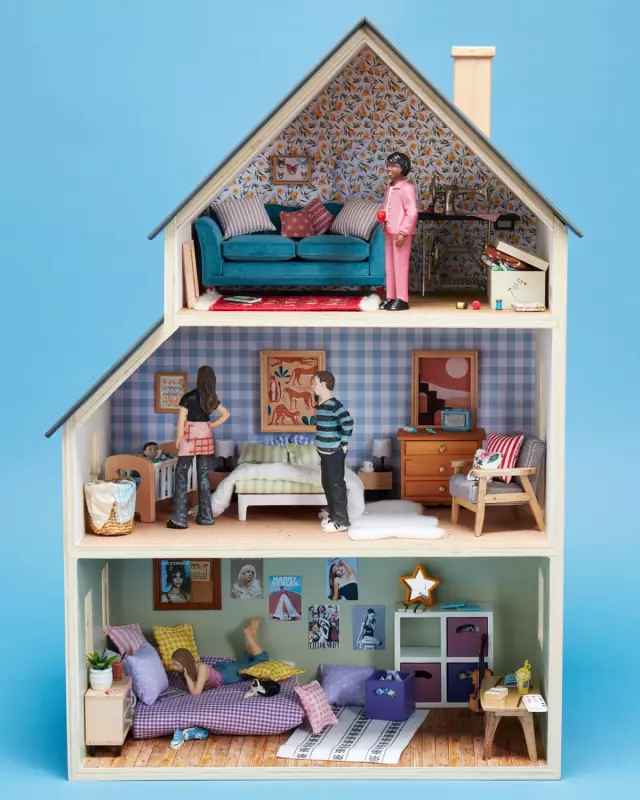
Navigating the ever-changing needs of a home through different life stages can be a daunting challenge. From the initial excitement of a first purchase to the quiet of an empty nest, our living spaces must constantly adapt. We've gathered expert advice from leading interior designers and renovation specialists to provide a room-by-room guide for creating a functional and beautiful home at every age.
Laying the Foundations in Your First Home
Buying your first property is a monumental step, but the budget for making it your own is often tight. Simon Ribchester, head of design at Beams, advises new homeowners to make a strategic choice: prioritise the bathroom. An outdated bathroom with questionable plumbing can lead to costly repairs, he warns. Furthermore, having a clean, functional retreat during the chaos of other renovations is invaluable for your sanity.
When it comes to aesthetics, resist the universal urge to paint everything brilliant white, cautions interior designer Rebecca Constable. This can create a sterile, cold atmosphere. Instead, she recommends a softer neutral like Farrow and Ball's Wimborne White for a calmer feel. Ribchester adds a crucial tip for longevity: treat permanent fixtures like tattoos. Avoid embedding fleeting trends in expensive tiles, taps, or flooring. Instead, express your style through easily changeable soft furnishings, art, and paint.

Furnishing your space requires similar foresight. Constable advises against blowing your budget on a fancy new sofa that will likely be the wrong fit for your next home. A secondhand sofa and a investment in a quality armchair is a smarter move. She also champions the power of a large rug to transform a room where you can't afford to change the flooring. Above all, Gemma Luteijn of Project London emphasises patience. The best homes evolve slowly, looking organically curated rather than hastily assembled.
Adapting Your Space for a Growing Family
With a baby on the way, the instinct is to focus solely on the nursery. However, the experts suggest a different approach. Since most babies spend their first six months in their parents' room, focus your initial efforts there. Ribchester suggests upgrading to the best bedding you can afford, adding a padded headboard, and installing dimmable lamps for night feeds.
When you do decorate the nursery, do it with an older child in mind. Constable warns that large, cartoonish wallpapers age quickly; a small, subtle pattern is a more enduring choice. Be smart with furniture, too. Instead of a short-lived changing table, consider an antique chest of drawers with a removable changing mat on top, recommends Luteijn. Similarly, skip the toddler bed and opt for a standard single bed with a removable safety side.
As children become teenagers, granting them autonomy over their space becomes key. Allow input, but guide it. If you're sceptical about a commitment to black walls, Constable suggests using their favourite colour in a headboard or cushions and giving them a large pinboard for personal expression. Home organisation expert Vicky Silverthorn highlights the importance of a clear, well-lit study area for focus. She also recommends creating a second, more social study nook downstairs, leveraging the 'workplace body doubling' theory to boost productivity.
Reimagining Your Home as an Empty-Nester
When the children have moved out, it's time to prioritise comfort and practicality. Ribchester encourages investing in plush, soft upholstery—the kind you previously avoided for being too delicate. Constable adds that future-proofing is crucial; a sofa with a foam and feather wrap is easier to plump and get out of than a heavy, all-feather one.
In the bathroom, Grazzie Wilson of Ca' Pietra recommends practical yet stylish additions like a tiled bench in the shower and non-slip tiles with an R10 or R11 rating. Underfloor heating is a worthwhile luxury for comfort and safety. In the kitchen, an eye-level oven and plenty of drawers can save your back from constant bending.

While a refresh is tempting, don't erase all traces of the past. Ribchester recalls a client who preserved a Stüssy sticker her son had placed on a window frame decades earlier. If you're downsizing, Silverthorn advises making use of wall space for a family photo gallery. For spare rooms, think multipurpose: a craft room with a sofabed or a dressing room with a hidden Murphy bed. For your own bedroom, consider little luxuries like a built-in tea station and, if necessary, a zip-and-link mattress to ensure undisturbed sleep for both partners.