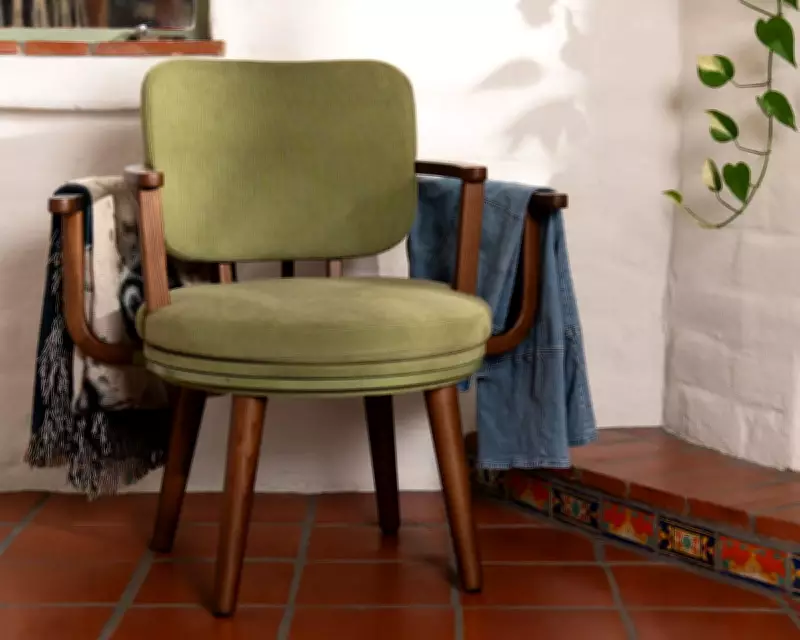
The Laundry Chair Debate: Clever Solution or Poorly Spent Money?
A new piece of furniture, dubbed the "laundry chair," has gone viral online, igniting a heated debate among consumers and home organization experts. Designed specifically to hold dirty clothes before washing, this product claims to solve the common problem of clothes piling up on floors or beds. However, critics argue it is an unnecessary expense that encourages clutter rather than addressing the root issue of laundry management.
What Is the Laundry Chair?
The laundry chair is a compact, often stylish piece of furniture, typically made from materials like wood or metal, with features such as hooks, baskets, or open shelves. Its primary function is to provide a designated spot for dirty laundry, aiming to keep homes tidier by preventing clothes from being strewn about. Proponents praise it for its practicality, noting that it offers a visual reminder to do laundry and can blend into home decor seamlessly.
Arguments in Favor of the Laundry Chair
Supporters of the laundry chair highlight several benefits. First, it promotes organization by creating a specific place for dirty clothes, which can reduce mess and make cleaning routines more efficient. Many users report that it helps them stay on top of laundry tasks, as the chair serves as a constant prompt. Additionally, some designs are multifunctional, doubling as seating or storage for other items, adding value beyond just laundry management.

Advocates also point to psychological advantages, suggesting that a tidy space can improve mental well-being. By containing laundry in one spot, the chair may reduce stress associated with clutter, making homes feel more orderly and peaceful. For small apartments or shared living spaces, it can be a space-saving solution that maximizes utility without taking up much room.
Criticisms and Counterarguments
On the other hand, critics argue that the laundry chair is a frivolous purchase that fails to address deeper issues. They contend that simply having a designated spot for dirty clothes does not solve procrastination or poor laundry habits; instead, it might enable clutter by providing a place to accumulate more items. Some experts suggest that investing in better laundry baskets or improving organizational systems could be more effective and cost-efficient.
Financial concerns are also raised, with opponents noting that laundry chairs can be expensive, often costing significantly more than traditional laundry baskets or hampers. This has led to accusations of consumerism, where people buy trendy products without considering their actual needs. Critics emphasize that money might be better spent on practical solutions, such as scheduling regular laundry days or decluttering wardrobes to reduce laundry volume.
The Broader Context of Home Organization Trends
This debate reflects larger trends in home organization and consumer culture. In recent years, there has been a surge in products marketed as solutions to everyday problems, from kitchen gadgets to storage systems. The laundry chair taps into this market, appealing to those seeking quick fixes for household chores. However, it also highlights a tension between convenience and sustainability, as some consumers prioritize minimalist living over accumulating more possessions.
Social media plays a key role in this phenomenon, with platforms like Instagram and TikTok driving viral trends. The laundry chair gained popularity through posts showcasing its use, often framed as a "life hack" for tidier homes. This has fueled both adoption and skepticism, as users share their experiences and opinions online, contributing to the ongoing discussion.
Conclusion: Is the Laundry Chair Worth It?
Ultimately, whether the laundry chair is a clever solution or poorly spent money depends on individual circumstances and preferences. For some, it may be a valuable tool that enhances organization and reduces stress. For others, it could be an unnecessary expense that adds to clutter. As with many consumer products, the key is to assess personal needs and habits before making a purchase. This debate underscores the importance of thoughtful consumption in an era of viral trends and quick fixes.