Historic Newcastle Building Awarded £4.6m for Affordable Housing Transformation
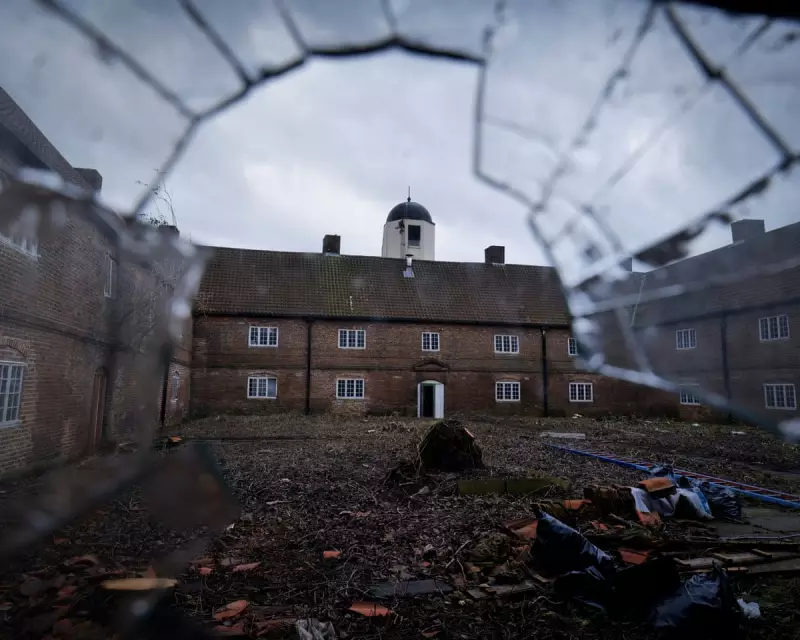
A landmark building in Newcastle, considered the city's most at-risk structure, is set to begin a remarkable new chapter as affordable housing after receiving a substantial £4.6 million lottery grant. The Keelmen's Hospital, which has stood empty for 16 years, will be transformed into 20 residential units through an ambitious conservation project that could serve as a blueprint for similar heritage buildings across the United Kingdom.
From Almshouse to Student Digs: Three Centuries of History
The Grade II* listed building overlooking the River Tyne dates back to 1701, originally constructed as an almshouse for retired, sick and often destitute keelmen and their families. These workers performed some of the most punishing and dangerous labour on the Tyne, operating flat-bottomed boats called keels to transport coal from riverbanks to larger ships. Their challenging existence was famously captured by JMW Turner in his painting Keelmen Heaving in Coals by Moonlight.
For nearly 300 years, the building continuously housed people - first the keelmen themselves, then tenement residents, and most recently students from what is now Northumbria University until 2009. The student residents created memorable stories about their time in the building, including reports of possible hauntings described as an icy presence, though current project managers suggest this might have been more attributable to the building's poor heating systems than supernatural activity.

A Collaborative Conservation Effort
The transformation project is being managed by the Tyne & Wear Building Preservation Trust in partnership with Newcastle City Council, with the council matching the £4.6 million funding from the National Lottery Heritage Fund. Martin Hulse, chief executive of the trust, explained that the building emerged as the most urgent preservation priority during an audit of Newcastle's heritage structures conducted approximately five years ago.
We are here to rescue heritage at risk, that's how we get our joy, Hulse stated. This is a really well-known building but it has been forgotten. You talk to people and they remember it but don't really know it has been empty for nearly 20 years.
The project represents a significant conservation achievement, with the building's Grade II* listing placing it just one step below the highest heritage designation held by structures like York Minster and Buckingham Palace.
Environmental and Social Benefits of Heritage Reuse
Helen Featherstone, director for England, north at the National Lottery Heritage Fund, emphasised the multiple benefits of repurposing historic buildings for social housing. There's something really important about renovating derelict historic buildings for social housing, it is so much more environmentally friendly than building new properties, she noted. It's really important that we can do this and bring disused buildings back to life.
The decision to create residential units rather than commercial or cultural spaces was deliberate, according to Hulse, who explained that the building's character naturally suggested residential use. It just always felt to me that it should be residential, he said. When you come here, you can just feel it.
National Significance and Future Timeline
This project is being closely monitored by authorities and organisations across the UK who face similar challenges with important but derelict listed buildings. The successful transformation of Keelmen's Hospital could demonstrate viable approaches for preserving difficult heritage structures while addressing housing needs.
Work is scheduled to begin in March, with the first residents expected to move into the 20 housing units by Christmas 2027. The funding model itself has historical resonance - the original building was financed by the keelmen themselves, who contributed one penny per tide from each crew's wages.

The building's colourful history includes strict 19th-century regulations for residents, including fines for keeping chickens or dogs roaming free, being disguised with drink at a funeral, or speaking disrespectfully of his Majesty, or any of the royal family. More recently, student residents enjoyed rent reductions for decorating their own rooms, resulting in one space still featuring walls painted in banana yellow, lime green and postbox red.
This ambitious project represents not just the preservation of an important historical structure, but a creative solution to contemporary housing challenges that respects both heritage and environmental considerations.