The Forgotten Predecessor to London's Iconic Shard
London's skyline is defined by its towering landmarks, but few structures have captured the imagination quite like The Shard. This 72-storey glass pinnacle has become an unmistakable symbol of the capital, yet its dramatic rise required the complete erasure of what came before. The site now occupied by Western Europe's tallest building was once home to a far more modest and conventional high-rise: Southwark Towers.
An Unremarkable Office Block in a Prime Location
Standing at just 100 metres tall with 25 storeys, Southwark Towers was completed in 1975 as a modernist office development. For decades, it served as the London headquarters for accounting firm Price Waterhouse before their merger with Coopers and Lybrand. While it dominated the area above London Bridge station during its heyday, by the 1990s it had faded into the background as a typical beige element of the urban landscape.
The tower's architectural significance was minimal compared to what would follow, but it did generate political interest during the 1970s when original developer Peachey Property Corporation encountered financial difficulties. For years it operated as what many would describe as a bog standard office block, a world away from the glitz and glamour that would eventually replace it.

The Controlled Demolition That Made History
Property developer Irvine Sellar purchased the structure in 1998 and began formulating ambitious plans for what would become The Shard, with 80 percent of funding coming from Qatari backers. When demolition finally commenced in 2008, Southwark Towers earned a place in UK construction history.
Due to its tight city centre location, hemmed in by neighbouring properties, controlled demolition using explosives proved impossible. Instead, the building required systematic dismantling, section by section. This painstaking process resulted in Southwark Towers becoming one of the largest buildings ever demolished in the United Kingdom, alongside notable structures like Drapers' Gardens.
From Humble Beginnings to Architectural Icon
The contrast between the two buildings could hardly be more striking. Where Southwark Towers reached 100 metres, The Shard soars to 309 metres with 73 floors. Where one was functional and conventional, the other is visionary and iconic. Work on The Shard began in March 2009, just months after Southwark Towers' demolition was complete, with the building reaching completion by late 2012.
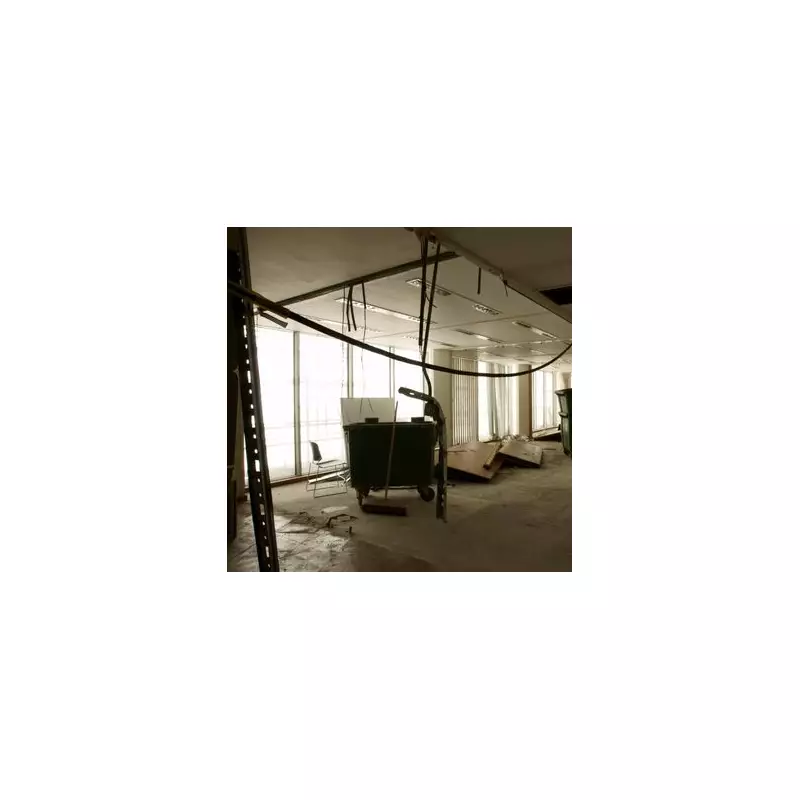
The transformation was completed in 2013 when The View from The Shard opened to visitors, offering panoramic vistas of London from a vantage point that would have been unimaginable from its predecessor. These remarkable photographs document the period preceding and throughout Southwark Towers' destruction, capturing a moment of transition in London's architectural evolution.
Today, few Londoners remember the unremarkable tower that once occupied this prime riverside location. Southwark Towers has been consigned to history, its demolition making way for a structure that would redefine London's skyline and become one of the city's most recognisable landmarks. The story serves as a powerful reminder of how urban landscapes evolve, with each generation's architectural ambitions literally building upon the foundations of what came before.