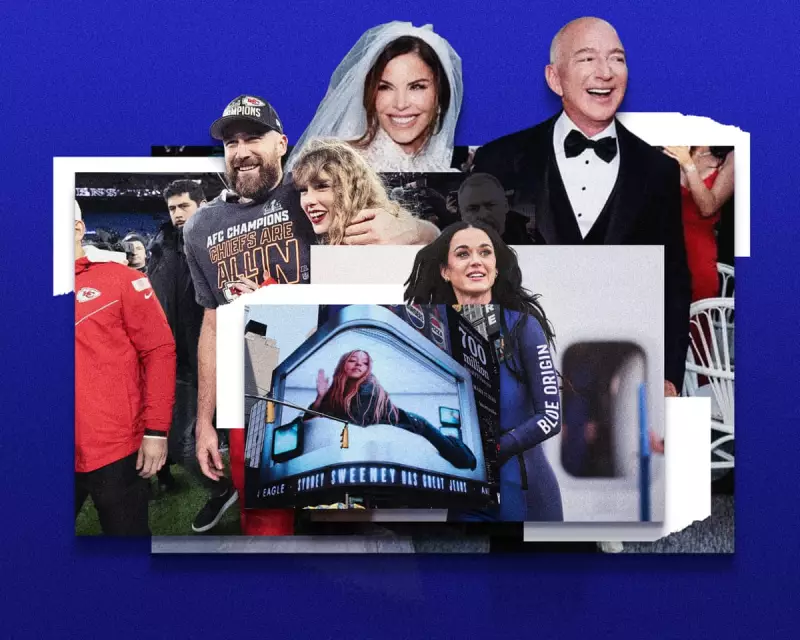
The year 2025 marked a significant turning point in public attitudes towards fame. A collective weariness with celebrity for its own sake took hold, with high-profile figures facing backlash for displays perceived as tone-deaf and vacuous during a time of global crisis.
From Space Flights to Venetian Lagoons: The Backlash Begins
In April 2025, the spectacle of Katy Perry, Lauren Sánchez, Gayle King, and three other women embarking on an 11-minute space flight aboard Jeff Bezos's Blue Origin rocket was meant to be groundbreaking. Instead of celebration, it triggered widespread ridicule. The event, occurring against a backdrop of economic hardship, was criticised as an out-of-touch luxury for the super-rich. Perry later admitted to feeling "battered and bruised" by the reaction, which saw her turned into a "human piñata" online.
This sentiment was echoed months later in the summer, when Jeff Bezos hosted a £37 million wedding in Venice. Images of A-listers like Leonardo DiCaprio, Oprah Winfrey, and the Kardashians gliding through the lagoon on water taxis, which might once have inspired envy, now fuelled public anger and reinforced "eat the rich" narratives. The public's dwindling tolerance was perfectly summarised by a now-viral phrase from Kourtney Kardashian: "Kim, there's people that are dying."

Social Media Scrutiny and The Demand for Stance
Social media has dissolved the traditional barrier between celebrities and the public, placing them in the same digital arena. This proximity means indifference is often read as disdain. A prime example was the controversy surrounding actor Sydney Sweeney's advert for American Eagle jeans. The ad, which played on the pun "great genes," was accused of evoking eugenics and white supremacy. Criticism intensified when it emerged Sweeney had registered as a Republican voter in Florida before Donald Trump's election, and the actor's initial silence was seen by many as complicity.
Even Taylor Swift faced a muted response to her 2025 album, The Life of a Showgirl, with some critics accusing her of being detached from wider world anxieties. This was compounded when she did not challenge the Trump administration's use of her music on social media, unlike peers such as Sabrina Carpenter and Olivia Rodrigo. The expectation for celebrities to use their platforms meaningfully has never been higher, as trust in traditional institutions like politics and media continues to erode.
A Recalibration Across Film and Culture
This shift is not confined to social media outrage; it is reshaping entire industries. The traditional Hollywood "star system" showed significant cracks in 2025. Films headlined by major stars like Margot Robbie, Dwayne Johnson, and Julia Roberts struggled at the box office. As one popular Reddit post noted, a single famous name is no longer enough to draw audiences.
Instead, the films that resonated were those with substantive narratives and social relevance, such as Ryan Coogler's Sinners, a vampire film rooted in Black history, or Paul Thomas Anderson's One Battle After Another. The public appetite has clearly moved towards stories that challenge power structures rather than merely showcasing star power.
The pressure on celebrities to speak on issues like the Israel-Gaza conflict has been immense, with some facing calls to be blocked online for their silence. However, those who do speak out risk repercussions, as demonstrated by the suspension of US host Jimmy Kimmel for comments about the killing of Charlie Kirk. The line between genuine activism and performative solidarity has become a minefield, with artists like Charli xcx questioning the assumed link between fame and moral responsibility.
Ultimately, 2025 revealed a public that is exhausted by empty spectacle. The message is clear: in a world facing economic uncertainty, war, and environmental breakdown, people no longer want their celebrities in space—they want to know what they stand for on the ground.