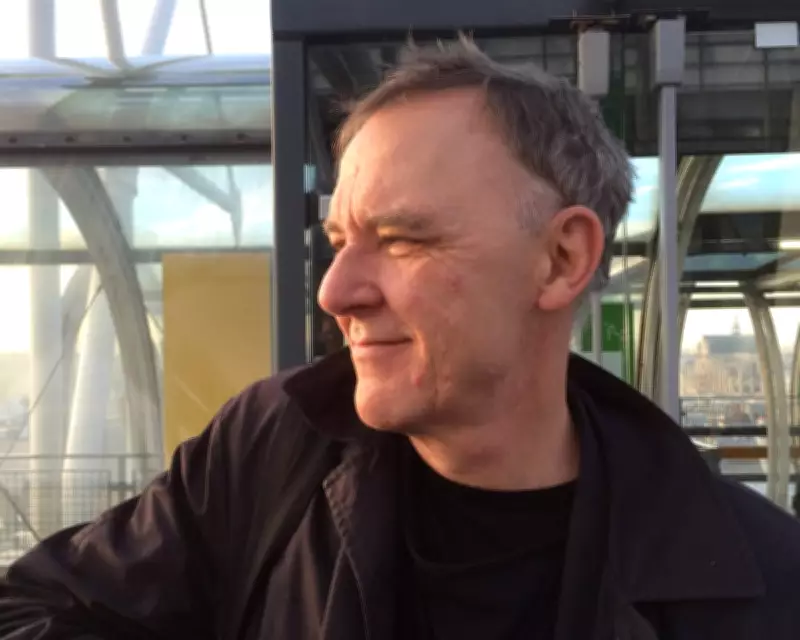
Guardian's Chief Art Critic Adrian Searle Announces Departure After Three Decades
The Guardian has announced that Adrian Searle, its esteemed chief art critic since 1996, will step down from his full-time position at the end of March. Searle's remarkable three-decade tenure has established him as a prominent figure in global arts journalism, celebrated for his unique ability to write about art with authority, honesty, and humor for a mass audience.
A Transformative Career in Arts Journalism
Searle's final article for the Guardian, reflecting on his thirty-year journey and the lessons learned, will be published on April 1. While departing from his regular role, he will continue to contribute occasional pieces to the publication. Searle originally transitioned from a career as a painter to become one of the art world's most influential critics, demystifying contemporary art for millions of readers through his accessible yet insightful reviews.
Throughout his career, Searle has championed excellence across various mediums including contemporary painting, sculpture, performance art, video installations, and mixed-media works. He maintained a critical eye that saw through the hype and ego often associated with the art world, providing balanced perspectives that resonated with both experts and casual observers.

Pivotal Moments and Influential Support
Searle played a crucial role during the rise of the Young British Artists (YBAs), offering early support to now-renowned figures such as Steve McQueen, Gillian Wearing, and Chris Ofili. His influence extended beyond writing as he served on juries for major awards, including the prestigious Turner Prize in 2004, and organized significant exhibitions for institutions like the Hayward Gallery, the Serpentine Galleries, and Madrid's Reina Sofia museum.
Among his most memorable reviews were his 1999 assessment of the Turner Prize shortlist, where he commented on Tracey Emin's work as "tortured nonsense"; his evocative description of Doris Salcedo's Shibboleth installation at Tate Modern as a giant crack where "you could stick your arm in, but you might not get it back"; and his lyrical praise for Ragnar Kjartansson's video installation The Visitors, which he declared the best artwork of the 21st century thus far.
Searle also championed emerging artists at critical stages of their careers, including Peter Doig, Marlene Dumas, Isaac Julien, and Philippe Pareno, helping to shape the contemporary art landscape through his discerning eye and influential platform.
Reflections on a Distinguished Career
Reflecting on his time at the Guardian, Searle commented: "Writing about art for the Guardian has been an exhilarating ride during a period of immense social, political, cultural, and technological change. It has been a privilege to comment on the art I care about. After 30 years, it feels like time to step away. While I still have curiosity and enthusiasm, I want to write differently—with fewer deadlines, more time and mental space, and to see where the words might take me."
Colleagues Pay Tribute to Searle's Legacy
Alex Needham, the Guardian's arts editor, praised Searle's unique ability: "Adrian writes pieces that connect with and enlighten both art experts and occasional gallery visitors. His reviews are meticulously considered but never labored, always a delight to read. Beyond his fantastic eye and scrupulous pen, I'll miss his intriguing hints about the wild nightclubs he's attended."
Guardian editor-in-chief Katharine Viner added: "The Guardian will miss Adrian's fantastic writing on visual arts. His reviews are always perceptive, insightful, and often funny. He looks at art with incredible care, even tenderness, noticing the details that make it soar or sink. Adrian's body of work creates a high bar for us to live up to as we continue delivering rigorous, world-class culture coverage."
Looking Forward: The Guardian's Arts Coverage Continues
Following Searle's departure, Guardian art critic Jonathan Jones will continue covering major exhibitions, including the upcoming Venice Biennale in May. Other regular critics include Charlotte Jansen, Eddy Frankel, and Chloë Ashby, who will soon be joined by Ben Eastham. The Guardian's arts desk remains open to submissions from other art critics interested in contributing to their cultural coverage.

The Guardian, published by Guardian Media Group, remains one of the world's largest and most-trusted quality news organizations, serving audiences through five international editions with a commitment to independent, fearless journalism free from political or commercial influence.