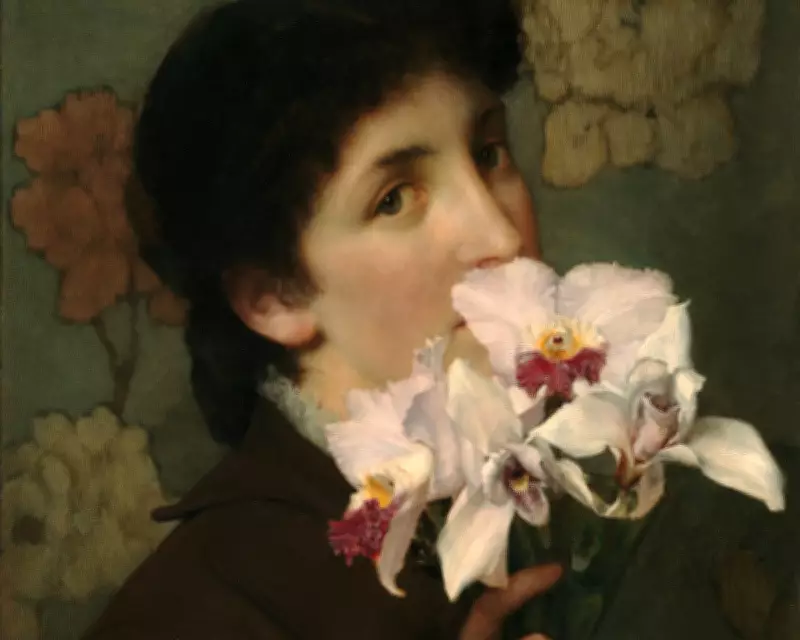
In Bloom Exhibition: Where Botanical Science Collides with Floral Obsession
The Ashmolean Museum in Oxford presents a captivating exhibition titled "In Bloom", running from March 19th until August 16th. This comprehensive display explores the fascinating history of botanical adventurers who collected plants from across the globe during the 17th through 19th centuries. The exhibition reveals how scientific advancement and obsessive fascination with floral beauty have always been closely intertwined in humanity's relationship with plants.
The Pioneering Botanical Collectors
One of the exhibition's central figures is Mary Somerset, Duchess of Beaufort, who died in 1715 after dedicating her life to transforming the floral landscape of Britain. She procured plants from Africa, India, China, Japan, and South America that had never before been seen in Britain, cultivating them in her vast formal garden that covered significant portions of Gloucestershire. While her disciplined parkland reflected the Age of Reason, a commissioned painting of one of her sunflowers reveals pure botanical ecstasy—a blazing cosmic eye staring wildly at viewers.
During the 1600s and 1700s, European botany made substantial intellectual advances that filled gardens across the continent with new colors and aromas. This progress depended entirely on growing commercial, naval, and military power that brought seeds and bulbs from around the world to Britain and neighboring countries. Yet even as pioneers systematically collected and classified global flora, the sheer beauty and sensuality of flowers constantly threatened to transform scientific analysis into beauty-addled reverie.

Scientific Classification Meets Mystical Connection
The exhibition features a remarkable portrait of Swedish naturalist Carl Linnaeus dressed in traditional Sámi costume while sporting a shaman's drum. Linnaeus famously invented the orderly classification system for flora and fauna, yet this portrait suggests his connection to beliefs that humans could commune magically with nature. The artwork commemorates his expedition to the far north and raises questions about whether his attire acknowledged the Sámi assistance he received in identifying numerous subarctic flowers for his seminal work Flora Lapponica.
Another significant botanical adventurer featured is Joseph Hooker, responsible for introducing rhododendrons throughout the British Isles. The exhibition includes Hooker's own illustrations commemorating his 1848-49 journey to the Himalayas in search of mountain flowers. The seeds he brought back to Kew Gardens in London established botany as inherently connected to far-off places. Kew Gardens itself became a multicultural paradise during this period, with etchings showing visitors admiring a mosque with dome and minarets, a replica of the Alhambra, and a Chinese pagoda among the planted trees—though only the Great Pagoda remains today.
From Poppy Seeds to Tulipomania
The exhibition's subtitle—How Plants Changed Our World—becomes particularly meaningful in a section where visitors can sniff burnt poppy seeds next to a case containing a 19th-century opium pipe. This display highlights how the gentle poppy has wrecked lives while simultaneously demonstrating that beauty itself can become a powerful drug. Nearby hangs a painting by 17th-century Dutch still life artist Rachel Ruysch depicting poppies growing around a woodland tree—not common garden poppies but a flaming, dancing variant with long bloody petals that explode ravishingly in the shady forest setting.
However, the exhibition reveals that Ruysch's forest setting was entirely fictional, as the poppy variation she painted didn't evolve naturally but was bred by Dutch flower-fanciers as a novelty. This marks where botanical history takes flight from pure science to sensuality, from interest to addiction. During the height of Dutch commercial power in the 1600s, obsession extended to tulips that originated from the Islamic world and were particularly cultivated at the Ottoman court.

The Disturbing Beauty of Floral Art
The force of tulipomania remains palpable in the disturbing beauty of Dutch flower paintings displayed throughout the exhibition. In Ambrosius Bosschaert's circa 1609 painting A Vase of Flowers, spiky curvaceous white and red tulips surrounded by night appear as alluring fleurs du mal—perfect, irreplaceable, and already dying as the artist painted them. The exhibition cleverly juxtaposes these Dutch tulip paintings with Turkish ceramic platters featuring tulip decorations that view the flower with calmer sensuality, as part of an eternal pattern preserved forever on the plate.
European flower paintings emerge as more scientific and precise yet simultaneously more brooding and romantic than their Turkish counterparts. These works consistently remind viewers that life implies death, with caterpillars and snails often included as subtle memento mori elements.
Melancholy Beneath the Botanical Derring-Do
Beneath all the botanical derring-do, the exhibition doesn't avoid underlying melancholy. Visitors encounter botanical drawings and pressed flowers—some with petals preserved in albums for over 400 years. More eye-catchingly bizarre, and even grotesque, are 19th-century "teaching models" of flowers made from painted wood and papier-mâché that meticulously simulate every detail of orchids and other flora at lifesize. These supposedly scientific models appear as freakish as old anatomical waxworks of eviscerated human bodies.
While the exhibition features numerous lovely works of art, it ultimately suggests that both art and science remain helpless before the mystery and beauty of a single living daisy. The Ashmolean Museum's comprehensive presentation brings together floral beauty and sensuality, scientific classification and obsessive fascination, creating a rich tapestry that explores humanity's complex relationship with the botanical world throughout history.