David Harding: A Legacy in Public Sculpture
The art world mourns the loss of David Harding, the pioneering British sculptor renowned for his ambitious public artworks that seamlessly blended art with the built environment. Harding passed away at the age of 87, leaving behind a profound impact on urban landscapes across the United Kingdom.
Early Career and Artistic Philosophy
Born in 1939, David Harding developed a unique approach to sculpture early in his career, focusing on large-scale installations that engaged directly with architectural spaces. He believed that art should not be confined to galleries but should interact with everyday life, enhancing public areas and provoking thought among passersby. This philosophy set him apart from many contemporaries and established him as a key figure in the public art movement.
Notable Works and Contributions
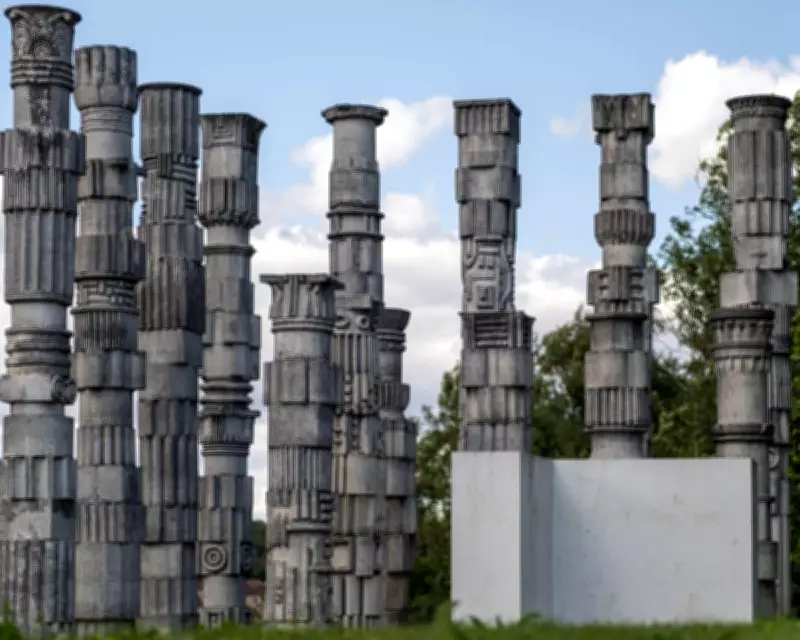
Harding's portfolio includes numerous iconic pieces that have become landmarks in their own right. Among his most celebrated works is the "Wind Vane" series, which integrated kinetic elements into urban settings, responding to environmental factors like wind and light. He also collaborated extensively with architects and city planners, ensuring his sculptures complemented and elevated their surroundings rather than merely occupying space.

His projects often involved community engagement, with Harding working closely with local residents to reflect their histories and identities in his art. This participatory approach made his works not only visually striking but also deeply meaningful to the communities they served.
Influence and Recognition
Throughout his decades-long career, David Harding received widespread acclaim for his innovative contributions to public art. He was a fellow of the Royal Society of Sculptors and his works have been featured in exhibitions and collections internationally. Critics praised his ability to merge aesthetic beauty with functional design, creating pieces that were both artistic statements and integral parts of urban infrastructure.
Harding's influence extended beyond his own creations; he mentored younger artists and advocated for greater integration of art in public planning. His writings and lectures on the subject inspired a generation to rethink the role of sculpture in society.
Personal Life and Legacy
David Harding was known for his humility and dedication to his craft, often working behind the scenes to realize his visionary projects. He is survived by his family, who have expressed pride in his lasting contributions to the cultural landscape.
His passing marks the end of an era for public sculpture, but his legacy lives on through the countless spaces he transformed. From city centers to housing estates, Harding's artworks continue to inspire and engage, reminding us of the power of art to shape our environments and enrich our lives.
As tributes pour in from the art community, David Harding is remembered not just as a sculptor, but as a visionary who redefined the boundaries between art and architecture, leaving an indelible mark on the urban fabric of Britain.