The Unconventional Jobs That Funded Artistic Genius
Before achieving fame, many renowned artists faced financial struggles that led them to adopt peculiar side hustles. From quiz show appearances to illegal activities, these creative minds found unique ways to support their artistic pursuits.
Illegal Ventures and Creative Funding
French novelist Jean Genet perfected a trick briefcase for stealing valuable books, which he resold after reading them. This rarefied form of shoplifting funded his early years, though it occasionally landed him in prison. Similarly, filmmaker Jean-Luc Godard stole first editions from his grandfather and cash from employers, resulting in jail time and psychiatric evaluation.
In 1970s New York, Belgian filmmaker Chantal Akerman pocketed cash from a porn theater job and stole film stock for her first feature. Author Kathy Acker performed simulated sex shows at a nightclub, working just one day a week to finance her writing. She noted that such gigs offered a unique societal perspective, enriching her literary work.

Wholesome Hustles and Unexpected Windfalls
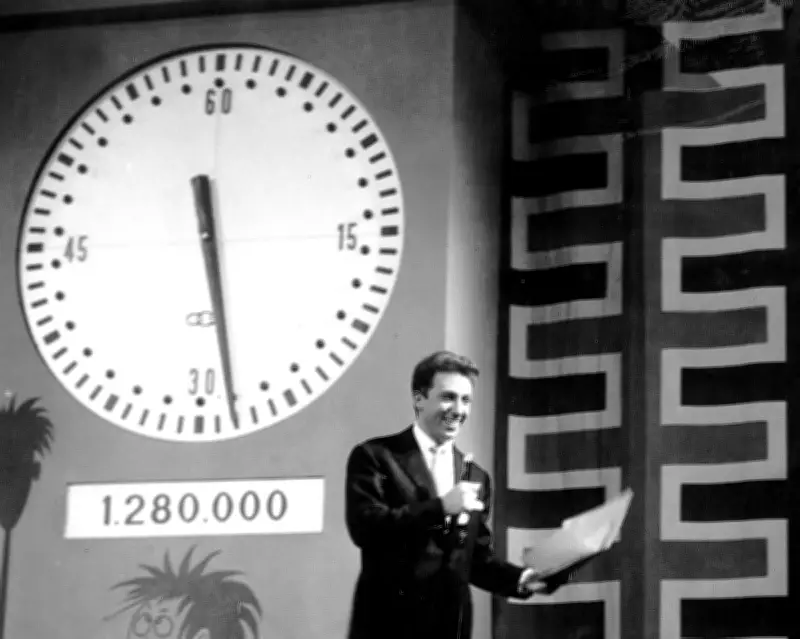
American composer John Cage turned his mushroom-foraging hobby into a lucrative opportunity. In 1959, he appeared on the Italian quiz show Lascia o Raddoppia (Double or Nothing), answering questions about fungi. Cage won 5 million lire, equivalent to £70,000 today, using the funds to buy a Steinway piano and a Volkswagen campervan for his partner's dance company.
Canadian painter Emily Carr bred Old English bobtail sheepdogs and sold pottery to tourists while running a boarding house during World War I. Despite these efforts, her painting career suffered due to financial pressures and time constraints.
The Toll of Side Gigs on Creativity
Not all side hustles proved beneficial. Abstract-expressionist painter Grace Hartigan recorded in her journal how temp clerical jobs left her despairing and unable to paint for months. Many artists found that even undemanding gigs drained their creative energy, highlighting the delicate balance between survival and artistic output.
Lessons for Modern Artists
These stories underscore that financial struggle is common among artists, with side hustles often influencing their work. Genet's thefts mirrored his transgressive fiction, while Cage's TV charisma later aided his lecture tours. Being an artist involves more than talent; it requires resourcefulness to create with limited means.
Ultimately, artistic success hinges on leveraging available resources, whether through unconventional jobs or sheer perseverance. This lesson resonates beyond the arts, reminding us that perfection is less important than making the most of what we have.