Glasgow Council Greenlights AI-Generated Mural Amid Public Backlash
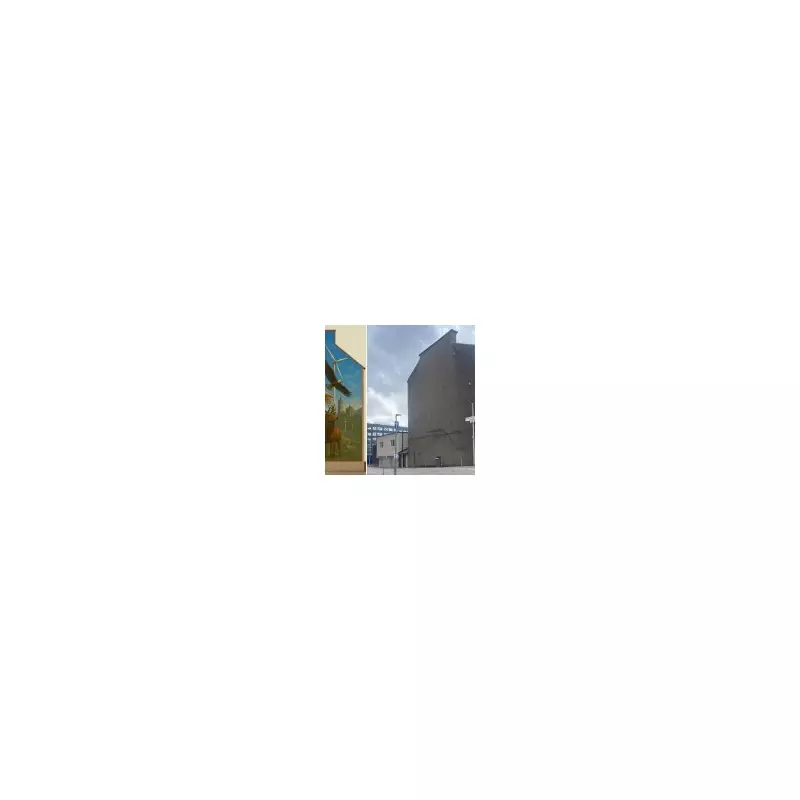
Glasgow City Council planners have approved a large-scale mural that was primarily generated using artificial intelligence, sparking significant controversy among local residents and political figures. The artwork, which depicts a surreal vision of Scotland, is scheduled to be painted this summer on a wall at 11 Elmbank Street in the city centre.
Controversial Imagery Sparks Social Media Outrage
The preliminary design for the four-storey high mural includes several elements that have drawn sharp criticism from Scottish social media users. Most notably, the artwork features American bald eagles with mangled faces and distorted features, despite Scotland being home to white-tailed eagles rather than their American counterparts.
Further elements causing concern include Highland cows with human-like eyes grazing in fields, buildings resembling the Wallace Monument on a hilltop, and a rail worker gesturing beside a steam locomotive. Many Scots have described the proposed artwork using just two words: 'AI slop'.

Local Reaction and Political Criticism
Glasgow native James Macleod expressed his dismay on social media platform X, stating: 'If I walked into a city and saw a huge AI mural I'd think the populace had conkers for brains and lacked a soul.' Author Ewan Morrison went further, suggesting the mural represents the 'cultural slopification' of Scotland.
The council's decision has also been criticised by Glasgow MP Paul Sweeney, who questioned why local authorities would approve an AI-generated design when the city boasts some of the world's top street artists. 'A bewildering decision when Glasgow has some of the world's top street artists who would create something far better for a small fee,' Sweeney commented. 'Commission a real artist!'
Developer's Response and Council Clarification
Derek Paterson from Balmore Estates Limited, who submitted the application in June, has defended the proposal while acknowledging the preliminary design isn't final. 'The keyboard warriors should calm down and focus on what's important in life,' Paterson told The National newspaper, which first reported the story.
Paterson emphasised that a professional artist will create the final design, which aims to celebrate Scotland's heritage and commitment to sustainable energy. 'The mural aims to capture the seamless integration of technology and nature that defines Scotland's modern energy landscape, while paying homage to its natural beauty,' his application states.
He added: 'The mural looks a little cluttered in my view, so there may well be less items in the final option. I'm conscious you can't please all of the people all of the time, and even then you'll never please some people no matter what, but life is too short to worry!'
Council Assurance and Final Design Process
Glasgow City Council has confirmed to Metro that a well-respected artist will be responsible for creating the final design of the mural. The council-approved application describes the proposed image as 'tasteful' and intended to improve what is currently considered an 'ugly' wall in the city centre.
Documents reveal that the B-listed site forms part of a sandstone four-storey terraced property, with the mural intended to enhance the visual appeal of the area while celebrating Scottish themes.
Identifying AI-Generated Imagery
The controversy has highlighted growing concerns about AI-generated art in public spaces. Technology experts suggest several methods for identifying synthetic images:
- Examine small details for warped facial features or unnatural movements
- Look for robotic writing or smeared text that appears glitchy
- Use reverse image search tools to check for matches with existing publicly available images
The mural's approval comes amid increasing debate about the role of artificial intelligence in creative industries and public art installations across the United Kingdom.